


The Best Apps for Finding and Booking Plane Tickets

When you’re planning a trip, finding the right flight at the right price can be a game-changer. You’ve probably spent hours scouring the internet for deals, comparing prices, and setting up price alerts. But what if you could streamline this process and find the best flights with just a few taps on your phone? With so many travel apps available, it can be overwhelming to choose the right one. That’s why it’s essential to know which apps can help you save time and money – and we’re about to explore the top contenders.
Top Apps for Flight Deals
To snag the best flight deals, you’ll want to tap into the right apps. Downloading multiple apps can be overwhelming, so focus on those that offer the features you need.
If you’re looking for exclusive discounts, consider apps like Hopper or Skyscanner. These apps analyze millions of prices daily to find you the cheapest flights. They also offer features like price drop alerts and fare forecasts.
Another option is Google Flights, which provides an easy-to-use interface and detailed flight information. You can compare prices across different airlines, airports, and dates to find the best deal for you.
Additionally, apps like Kayak or Hipmunk allow you to set up price alerts and track your flight’s price history. They also offer features like price forecasts, helping you make informed decisions.
These apps are designed to save you time and money. By using them, you’ll be able to quickly compare prices, find discounts, and book your flights with confidence.
Remember to always read the fine print and factor in any additional fees before making your final decision.
Best Travel Booking Platforms
You’ve found the perfect flight deals, now it’s time to book. When it comes to travel booking platforms, you have several options to choose from.
Expedia, Orbitz, and Travelocity are popular choices, allowing you to book flights, hotels, and car rentals in one go. These platforms often offer discounts and package deals, helping you save even more.
Skyscanner and Kayak are also great options, aggregating prices from multiple airlines and online travel agencies. They provide you with a comprehensive view of available flights, enabling you to compare prices and find the best deals.
If you’re looking for a more personalized experience, consider using Booking.com or Hotels.com, which specialize in hotel bookings. They often offer exclusive discounts and rewards programs, making your stay even more affordable.
Additionally, TripAdvisor is an excellent platform for booking flights and hotels, while also providing valuable reviews and ratings to help you make informed decisions. Ultimately, the best travel booking platform for you’ll depend on your specific needs and preferences.
Apps for Last Minute Flights
Last-minute travel plans can be a real challenge, especially when it comes to scoring affordable flights. However, there are several apps that specialize in last-minute flight deals, allowing you to snag affordable tickets even at short notice.
Here are some of the best apps for last-minute flights:
| App | Key Features |
|---|---|
| Hotel Tonight | Offers last-minute hotel bookings, often bundled with flight deals; user-friendly interface; exclusive discounts |
| Last Minute Travel | Provides access to unsold inventory from airlines and hotels; wide selection of last-minute deals; user reviews and ratings |
| Skyscanner | Allows you to set up price alerts for specific routes; offers a “Cheapest Month” feature to find the best time to fly; integrates with other travel apps |
When using these apps, it’s essential to be flexible with your travel dates and destinations. Keep an eye on your email for price drop alerts, and be prepared to book quickly when you find a good deal. By using these apps, you can score affordable last-minute flights and make the most of your spontaneous travel plans.
Most User-Friendly Travel Apps
Booking flights on-the-go can be a breeze, thanks to an array of user-friendly travel apps. You’ll find that many of these apps offer intuitive interfaces, streamlined search functions, and easy-to-use booking processes. Some of the most user-friendly travel apps include Skyscanner, Kayak, and Google Flights.
These apps allow you to quickly compare prices across multiple airlines, airports, and travel dates. When using these apps, you can filter your search results based on your preferences, such as price, departure time, and airline.
Many apps also offer features like price alerts and travel recommendations, which can help you find the best deals and plan your trip more efficiently. Additionally, some apps allow you to book hotels, rental cars, and activities in addition to flights, making them a one-stop-shop for all your travel needs.
Luxury Flight Booking Options
For travelers seeking a more premium experience, luxury flight booking options offer a range of exclusive services and amenities. You can expect personalized assistance, luxury airport lounges, and high-end in-flight entertainment.
Apps like PrivateFly and JetSmarter cater specifically to luxury travelers, offering private jet charters and bespoke flight experiences.
If you’re looking for a more traditional airline experience with a luxurious twist, consider apps like The Flight Deal or Luxury Flight Deal. These platforms specialize in finding discounted business and first-class tickets, often with significant price drops.
You’ll also find exclusive deals on premium airlines, like Emirates or Singapore Airlines.
When booking luxury flights, you’ll want to prioritize flexibility and customization. Apps like BlackJet or Victor allow you to book private flights or customize your commercial airline experience with perks like extra legroom or gourmet meals.
Whether you’re a frequent business traveler or simply looking to treat yourself, luxury flight booking options can elevate your travel experience to new heights. By leveraging these apps, you can indulge in the finer things in air travel.
Conclusion
You’ve got your options for finding and booking plane خرید بلیط هواپیما . Top apps like Hopper, Skyscanner, and Google Flights offer exclusive discounts and detailed flight information. For last-minute bookings, Hotel Tonight and Last Minute Travel have got you covered. With intuitive interfaces and price forecasts, these apps save you time and money. Whether you’re looking for a budget-friendly option or luxury experience, there’s an app that suits your needs.
Dedicated Advocacy for Personal Injury Victims
You’ve just been through a traumatic experience, and now you’re faced with the daunting task of navigating the complex world of personal injury claims. As you try to make sense of the paperwork, medical bills, and insurance negotiations, it’s easy to feel overwhelmed. But what if you had someone in your corner, fighting for your rights and working tirelessly to ensure you receive the compensation you deserve? A dedicated advocate can be that ally, but what does it take to find the right one, and how can they truly make a difference in your life’s recovery?
The Importance of Advocacy
As you navigate the aftermath of a personal injury, having a strong advocate by your side can make all the difference. You’ll face numerous challenges, from dealing with insurance companies to managing medical expenses and lost wages.
A skilled advocate will help you navigate this complex process, ensuring you receive the compensation you deserve.
A strong advocate will also help you avoid costly mistakes. Without proper guidance, you may inadvertently say or do something that compromises your claim.
Your advocate will advise you on what to say and do, protecting your interests and maximizing your chances of a successful outcome.
Moreover, having an advocate will give you peace of mind. You’ll have someone to turn to for support, guidance, and reassurance throughout the process.
Your advocate will handle the paperwork, negotiations, and communications, allowing you to focus on your recovery.
By having a strong advocate by your side, you’ll be better equipped to navigate the aftermath of a personal injury and achieve a favorable outcome.
This support can make a significant difference in your life, enabling you to move forward with confidence.
Types of Personal Injury Cases
Personal injury cases can often be complex and varied, frequently involving unique circumstances and challenges.
As you navigate the complexities of your personal injury case, it’s essential to understand the different types of cases that exist. This knowledge will help you better identify the specific challenges you face and the best course of action to take.
When dealing with a personal injury case, you may encounter the following types of cases:
- Motor vehicle accidents: These cases involve injuries sustained in car, truck, motorcycle, or pedestrian accidents.
- Slip and fall accidents: These cases involve injuries sustained due to hazardous conditions on another person’s property, such as slippery floors or uneven sidewalks.
- Product liability cases: These cases involve injuries sustained due to defective or malfunctioning products.
- Medical malpractice cases: These cases involve injuries sustained due to a healthcare provider’s negligence or misconduct.
Understanding the type of personal injury case you’re dealing with will help you determine the best approach to seeking compensation and justice.
Benefits of Working Together
Navigating a personal injury case can be overwhelming, which is why having a strong support system is crucial. When you work with a dedicated personal injury advocate, they’ll help you navigate the complexities of your case and ensure you receive the compensation you deserve.
| Benefits | Your Advocate’s Role | Your Outcome |
|---|---|---|
| Reduced Stress | Handles paperwork and communication | More time to focus on recovery |
| Increased Compensation | Negotiates with insurance companies | Higher settlement or award |
| Personalized Support | Provides guidance and emotional support | Better overall experience |
Navigating the Claims Process
Navigating the Claims Process
You’re about to embark on a complex process that requires attention to detail and a clear understanding of the steps involved.
Navigating the claims process for a personal injury can be overwhelming, but breaking it down into manageable tasks can make a significant difference.
To start, you’ll need to gather all relevant information and documentation related to your injury.
This includes medical records, police reports, witness statements, and any correspondence with the at-fault party or their insurance company.
Here are some key steps to keep in mind as you navigate the claims process:
- File a claim: Notify the at-fault party’s insurance company about your injury and intent to file a claim. Be sure to follow their specific procedures and timelines.
- Provide documentation: Submit all required documentation, including medical bills, records, and proof of lost wages.
- Participate in an investigation: Cooperate with the insurance company’s investigation into the accident, which may include a statement or deposition.
- Negotiate a settlement: Work with the insurance company to reach a fair settlement, which may involve making a counteroffer or accepting their initial offer.
Finding the Right Advocate
Finding the Right Advocate
You’ve taken the first steps in the claims process, but you may soon realize that having professional guidance can significantly impact the outcome of your case. Finding the right advocate is crucial to ensure your rights are protected and you receive fair compensation.
When searching for an advocate, consider their experience in handling cases similar to yours. Check online reviews, ask for referrals from friends or family members who’ve gone through a similar experience, and make a list of potential advocates.
Once you have a list, research each advocate’s credentials, including their qualifications, certifications, and track record of success.
It’s also essential to assess their communication style and approach to ensure it aligns with your needs. Schedule consultations with your top choices and ask questions about their strategy, fees, and expected outcomes. Pay attention to how they listen to your concerns and address your questions. By doing your due diligence, you’ll be able to find an advocate who can effectively represent you and help you navigate the complex claims process.
Conclusion
You’ve taken the first step towards seeking justice by learning about dedicated advocacy Music lessons personal injury victims. Now, it’s time to find the right advocate to guide you through the claims process. Don’t face the complexities of the system alone. A skilled advocate will fight for your rights and ensure you receive the compensation you deserve. Take control of your recovery and rebuild your life with the support of a dedicated advocate by your side.
Custom Boat Lifts for Unique Grand Lake Dock Configurations
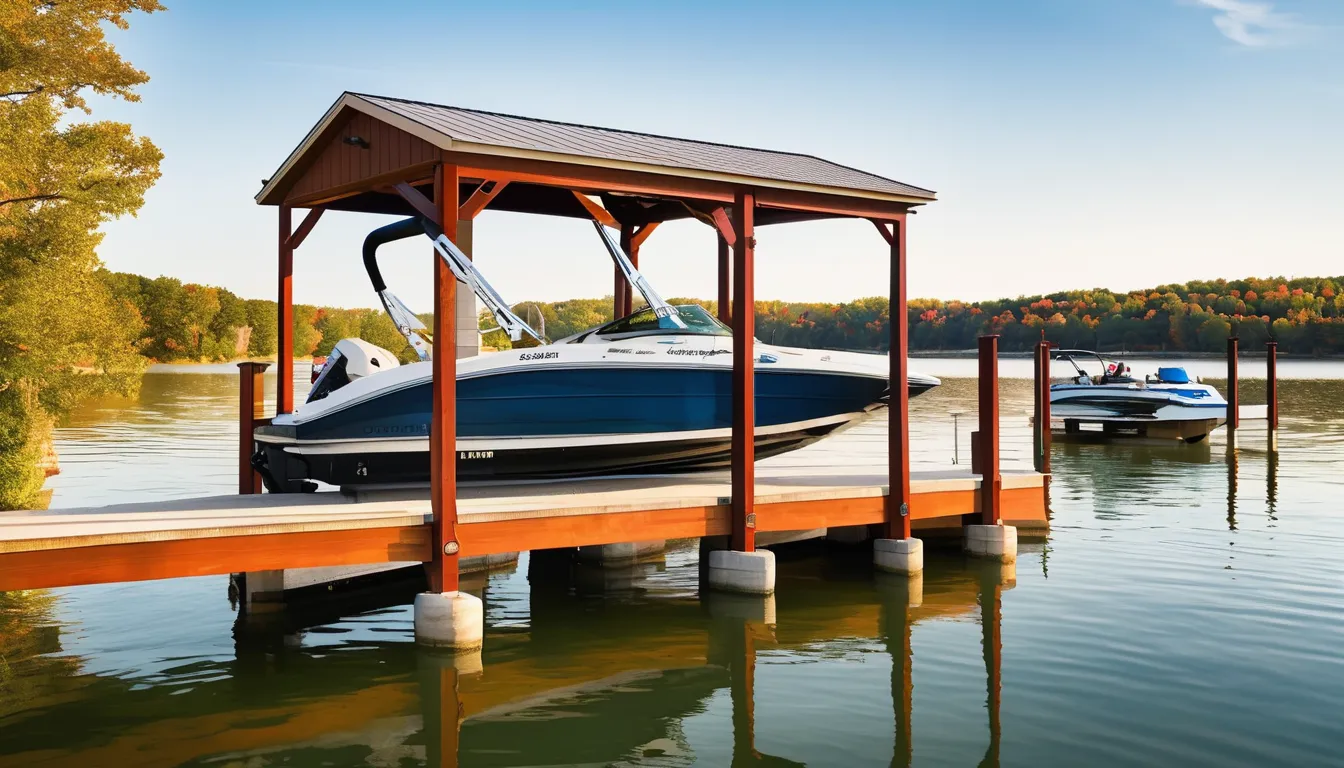
As a Grand Lake boat owner, you’re likely no stranger to the unique challenges that come with docking on this beautiful but unpredictable body of water. With fluctuating water levels and strong currents, it’s essential to have a reliable and customized boat lift that meets your specific needs. But where do you start? From measuring your dock space to choosing the right lift type, there are several factors to consider. By understanding these key elements, you’ll be better equipped to select a custom boat lift that protects your investment and enhances your overall boating experience – but what are the essential considerations you need to know?
Benefits of Custom boat dock lifts s
Custom boat lifts offer a multitude of benefits that can greatly enhance your boating experience. They provide protection for your boat from damage caused by water, ice, and debris.
With a custom boat lift, you can store your boat above the water’s surface, reducing the risk of hull damage, scratches, and algae growth.
You’ll also save time and money on maintenance. A custom boat lift allows you to easily inspect and clean the hull of your boat, reducing the need for costly repairs and replacement.
Additionally, a custom boat lift can help prevent marine growth and reduce the amount of maintenance required to keep your boat in good condition.
Custom boat lifts also offer convenience and flexibility. You can design a custom lift that fits your specific needs and dock configuration, ensuring that your boat is secure and easily accessible.
This allows you to quickly launch and retrieve your boat, making the most of your time on the water.
Unique Challenges of Grand Lake
Grand Lake’s unique combination of varying water levels, strong currents, and heavy usage create specific challenges for boat owners. You’ll need to consider these factors when deciding on a boat lift for your dock.
Water levels on Grand Lake can fluctuate significantly due to power generation and flood control, so you’ll need a lift that can accommodate these changes. Strong currents can also affect the stability and performance of your lift, making it essential to choose a model that’s specifically designed to handle these conditions.
As a boat owner on Grand Lake, you’re likely aware of the heavy usage the lake receives. With many boats and watercraft sharing the water, the risk of damage or collision increases.
A custom boat lift can help mitigate this risk by keeping your boat out of the water when not in use. When selecting a lift, consider the size and type of boat you own, as well as the specific conditions on your dock. A well-designed lift can help protect your investment and provide you with peace of mind.
A custom boat lift can be tailored to meet the unique demands of Grand Lake.
Measuring Your Dock Space
When it comes to choosing the right boat lift, in addition to considering Grand Lake‘s unique conditions, you’ll want to take stock of your dock space.
Measure the length, width, and depth of your dock to ensure you’re getting a lift that fits your space. Don’t forget to account for any obstructions like ladders, stairs, or cleats.
Take precise measurements of the water depth and dock’s distance from shore. This information will help determine the type of lift and its necessary features, such as the length of the beams or the size of the pilings.
Also, consider the orientation of your dock and how it relates to the prevailing winds and currents on Grand Lake.
When measuring your dock space, remember to account for any local building codes or regulations. Knowing the specific requirements for your area will help you choose a lift that complies with them.
Accurate measurements will ensure a proper fit and optimal performance for your custom boat lift. By carefully assessing your dock space, you’ll set yourself up for a successful installation and years of trouble-free use.
Choosing the Right Lift Type
Considering your dock’s unique layout and the specific needs of your boat, selecting the right lift type is crucial. You’ll need to consider factors like water depth, dock size, and the type of boat you own.
For smaller boats or limited dock space, a vertical boat lift might be the best option. These lifts are compact, easy to install, and require minimal maintenance.
For larger boats or docks with deeper water, a cantilever or elevator-style lift might be more suitable. These lifts provide more stability and support for heavier boats, but they often require more space and complex installation.
If you have a pontoon boat or a boat with a unique hull design, you may need a custom boat lift with a specialized cradle. You should also consider the material and construction of the lift, as well as any additional features you need, such as a canopy or a remote control system.
Installation and Maintenance Tips
To ensure your custom boat lift operates smoothly and safely, you’ll need to focus on proper installation and regular maintenance.
Proper installation requires careful planning, precise measurements, and a thorough understanding of the dock’s configuration and the boat’s size. It’s essential to work with a professional who has experience with custom boat lifts to avoid costly mistakes.
Regular maintenance is just as crucial. You’ll need to inspect the lift regularly for signs of wear and tear, damage, or corrosion. Keep the lift clean and lubricated to ensure smooth operation.
Maintenance Schedule:
| Task | Frequency | Importance |
|---|---|---|
| Inspect cables and pulleys | Monthly | High |
| Lubricate moving parts | Quarterly | Medium |
| Check for corrosion | Annually | High |
Conclusion
By investing in a custom boat lift, you’ll enjoy peace of mind and convenience on Grand Lake. You’ll protect your investment from damage and make launching and storing your boat a breeze. With the right lift, you can focus on what really matters – spending time on the water with family and friends. Proper installation and maintenance are key to ensuring your lift continues to serve you well for years to come.
Temporary Traffic Control for Lane Closure

When you’re tasked with managing a lane closure for roadwork or maintenance, it’s crucial to get the temporary traffic control right to ensure driver safety and minimize disruptions. A well-designed traffic control plan involves strategic placement of warning signs and devices, as well as careful consideration of traffic flow and speed. You’ll need to consider factors such as road geometry, traffic volume, and nighttime conditions. As you start to develop your plan, you’ll need to consider the components of a lane closure warning system – but where do you start, and what are the key elements to include?
Planning and Design Considerations
When planning and designing temporary traffic control (TTC) zones, you’ll need to consider several factors to ensure the safety of both workers and road users. The first step is to assess the road conditions and determine the type of TTC zone you need.
Consider the speed and volume of traffic, road geometry, and the presence of pedestrians, cyclists, or other vulnerable users.
You’ll also need to evaluate the duration and schedule of the TTC zone. This will help you determine the type of traffic control devices and measures to implement, such as lane closures, detours, or temporary traffic signals.
Additionally, consider the time of day and any potential disruptions to traffic flow.
It’s also essential to consider the TTC zone’s impact on the surrounding environment, including noise levels, air quality, and nearby residents or businesses.
Traffic Control Device Placement
Proper placement of TrafCon Services in Austin TX control devices is crucial in ensuring the safety and efficiency of a temporary traffic control (TTC) zone. You’ll need to follow the guidelines set forth in the Manual on Uniform Traffic Control Devices (MUTCD) to ensure that devices are placed in the correct locations.
Start by identifying the advance warning area, where you’ll place warning signs and other devices to alert drivers to the lane closure.
You’ll also need to place traffic control devices within the transition area, where traffic is being diverted or merged into a different lane.
Devices such as cones, barrels, and channelizers should be spaced at intervals that are consistent with the MUTCD.
Make sure to place devices in a way that provides adequate visibility and doesn’t create a hazard for drivers.
You should also consider the speed and volume of traffic when determining the placement of devices.
It’s essential to ensure that all devices are clearly visible and easily readable, both day and night.
You should also check that devices are stable and won’t be easily knocked over by wind or traffic.
Lane Closure Warning Systems
Closing a lane can significantly impact traffic flow and safety. You must take steps to minimize disruptions and ensure the safety of road users. Lane closure warning systems are an essential part of this process.
They provide advance notice to drivers of a lane closure, giving them time to adjust their speed and position.
When designing a lane closure warning system, you’ll need to consider factors such as the type of road, traffic volume, and speed.
You’ll also need to choose the right warning devices, such as signs, arrows, and lights. These devices should be placed at strategic locations to provide clear and consistent information to drivers.
Typically, a lane closure warning system consists of three components: a warning section, a transition section, and a termination section.
The warning section alerts drivers to the upcoming lane closure, while the transition section guides them through the lane closure.
The termination section marks the end of the lane closure.
Managing Traffic Flow and Speed
As you implement a temporary traffic control plan, managing traffic flow and speed is crucial to maintaining safety and minimizing disruptions. You need to consider the impact of reduced lanes on traffic flow and take steps to maintain a smooth flow of traffic. This includes adjusting signal timing, using dynamic lane management, and implementing traffic calming measures.
To manage traffic flow and speed effectively, you should:
| Traffic Flow | Speed Management | Safety Benefits |
|---|---|---|
| Lane merging | Speed limit reduction | Reduced crashes |
| Dynamic lane management | Speed cameras | Enhanced driver awareness |
| Traffic signal optimization | Speed feedback signs | Lower speeds |
| Real-time traffic monitoring | Rumble strips | Improved safety |
| Incident management | Variable speed limits | Minimized congestion |
Implementing Nighttime Traffic Control
Implementing nighttime traffic control requires careful planning to ensure a safe and efficient flow of traffic during reduced visibility.
You’ll need to take into account the unique challenges posed by nighttime conditions, such as reduced visibility and altered driver behavior.
To effectively implement nighttime traffic control, you should:
- Use retroreflective pavement markings to help guide drivers through the work zone.
- Install temporary lighting that meets the Manual on Uniform Traffic Control Devices (MUTCD) standards to illuminate the work zone and provide adequate visibility.
- Use warning signs with reflective sheeting to alert drivers to the lane closure and guide them through the work zone.
- Monitor traffic flow in real-time to quickly respond to any changes or incidents that may occur during nighttime hours.
Conclusion
You’ve successfully implemented a temporary traffic control for a lane closure by considering planning and design, strategically placing traffic control devices, and using lane closure warning systems. You’ve managed traffic flow and speed, and ensured nighttime traffic control through proper lighting and retroreflective pavement markings. Your efforts minimize disruptions, ensure driver safety, and facilitate a smooth work zone experience. By following these steps, you’ll maintain safe and efficient traffic flow during lane closure projects.
Understanding Liability in Slip and Fall Accidents

If you’ve been injured in a slip and fall accident, understanding liability is key to securing the compensation you deserve. As a victim, you’ll need to prove that the property owner failed to meet their duty of care, resulting in your injuries. But what exactly constitutes a breach of duty, and how do courts determine fault? The answer lies in a complex interplay of premises liability laws, comparative negligence rules, and evidence-based claims. To navigate this process effectively, it’s essential to grasp the fundamentals of liability – and that’s where your journey to recovery begins.
Types of Slip and Fall
When you’re involved in a slip and fall accident, the circumstances surrounding the incident can greatly impact your case. Knowing the type of slip and fall accident you’ve experienced is crucial in determining the best course of action.
Slip and fall accidents can be categorized into several types, including indoor and outdoor falls.
Indoor falls often occur on premises liability pery floors, uneven surfaces, or due to inadequate lighting.
These types of falls frequently take place in commercial establishments, such as grocery stores, hotels, or restaurants.
Outdoor falls, on the other hand, may be caused by uneven sidewalks, potholes, or slippery surfaces.
Inclement weather conditions like rain, snow, or ice can also contribute to outdoor falls.
Additionally, falls can occur on stairs or due to poorly maintained handrails.
Understanding the specific circumstances surrounding your slip and fall accident will help you navigate the process of seeking compensation.
It’s essential to gather evidence and document the scene of the accident to build a strong case.
Proving Liability in Accidents
Proving Liability in Accidents
After understanding the type of slip and fall accident you’ve experienced, it’s time to focus on the next step: proving liability. To do this, you’ll need to gather evidence that shows the accident was caused by someone else’s negligence.
This can include photos or videos of the scene, witness statements, and any medical records related to your injury. You’ll also want to document the conditions that led to the accident, such as a slippery floor or uneven surface.
When gathering evidence, it’s essential to be thorough and detailed. Take note of the date, time, and location of the accident, as well as the weather conditions and any other relevant factors.
If you’re able, try to take photos or videos of the scene immediately after the accident. If not, try to return to the scene as soon as possible to document the conditions. Your goal is to create a clear record of what happened and who was responsible.
This will help you build a strong case and increase your chances of receiving compensation for your injuries.
Premises Liability Laws
In premises liability cases, someone’s carelessness or negligence in maintaining a property can lead to slip and fall accidents, and you may be entitled to compensation. As a victim, you will need to prove that the property owner or occupier failed to meet their duty of care, resulting in your injury. This can include failing to clean up spills, repair broken flooring, or provide adequate lighting.
| Type of Property | Duty of Care | Examples of Liability |
|---|---|---|
| Residential | Reasonable care to prevent harm | Failing to shovel snow and ice on the sidewalk |
| Commercial | Higher duty to prevent harm and warn of hazards | Not cleaning up spills in a store or restaurant |
| Government | Duty to maintain public spaces and provide warning of hazards | Failing to repair potholes or uneven sidewalks |
If you can prove that the property owner or occupier breached their duty of care, you may be able to recover damages for your injuries. This can include medical expenses, lost wages, and pain and suffering. It is essential to document the scene of the accident, including photos and witness statements, to support your claim.
Comparative Negligence Rules
Most slip and fall accidents involve some degree of fault on the part of both the property owner and the person who slipped and fell.
In cases like these, comparative negligence rules come into play. These rules allow courts to assess the level of fault of each party involved and allocate damages accordingly.
When determining liability, courts consider the following factors:
- Degree of care: Did the property owner take reasonable care to prevent the slip and fall accident?
- Warning signs: Were there adequate warning signs or notices to alert you to potential hazards on the premises?
- Your actions: Did you take reasonable care to avoid the hazard that caused the accident?
- Proximate cause: Was the property owner’s negligence a direct cause of the accident?
Filing a Liability Claim
Filing a Liability Claim
Now that you understand how comparative negligence rules impact liability in slip and fall accidents, you’re ready to consider the next step: filing a liability claim. If you’ve been injured in a slip and fall accident due to someone else’s negligence, you may be eligible for compensation. To file a liability claim, you’ll need to gather evidence and document your injuries.
| Type of Evidence | Description | Importance |
|---|---|---|
| Photos and videos | Visual documentation of the accident scene | Establishes the cause of the accident |
| Witness statements | Testimony from people who witnessed the accident | Provides additional context |
| Medical records | Documentation of your injuries and treatment | Supports your claim for compensation |
| Incident reports | Official reports from the property owner or manager | Helps establish liability |
| Repair records | Records of previous repairs or maintenance | Demonstrates negligence on the part of the property owner |
When filing a liability claim, it’s essential to be thorough and accurate. Make sure to keep detailed records and provide as much evidence as possible to support your claim. This will help you build a strong case and increase your chances of receiving fair compensation.
Conclusion
By understanding your rights and the laws surrounding slip and fall accidents, you’ll be better equipped to navigate the complex process of filing a claim. If you’ve been injured in a slip and fall, it’s essential to act quickly and gather evidence to support your case. Don’t hesitate to seek professional help to ensure you receive the compensation you deserve. Knowing your options can make all the difference in a successful outcome.