


See the Difference Top Rated Glass Components for Sale

You’re looking for top-rated glass components that can elevate the quality and aesthetic of your project. With numerous options available, it’s essential to understand what sets high-end glass components apart from the rest. Top-rated glass components, such as tempered and laminated glass, boast exceptional optical clarity and durability. But what are the key characteristics that define these premium glass components, and how can you ensure you’re investing in the best? By exploring the key features and benefits of top-rated glass components, you can make an in tub glass med decision that transforms the outcome of your project.
Key Characteristics of Top-Rated Glass
When it comes to top-rated glass components, you’re likely looking for materials that offer a perfect blend of form and function. This means that the glass shouldn’t only look great but also perform well in various conditions.
Key characteristics of top-rated glass include its optical clarity, durability, and resistance to thermal stress.
Optical clarity is crucial, as it affects the visibility and transparency of the glass. Top-rated glass should have minimal distortion and imperfections, allowing you to see through it clearly.
Durability is also essential, as the glass should be able to withstand various environmental factors, such as extreme temperatures, humidity, and exposure to chemicals.
You should also look for glass components that can resist thermal stress, which can cause the glass to break or shatter. This is especially important if the glass will be exposed to sudden or extreme temperature changes.
Types of Glass Components Available
Here’s an overview of some key glass components available:
| Glass Component | Description | Application |
|---|---|---|
| Tempered Glass | Strengthened glass that’s resistant to heat and impact | Bathrooms, kitchens, and building facades |
| Laminated Glass | Layered glass that provides soundproofing and security | Office partitions, windows, and doors |
| Borosilicate Glass | Heat-resistant glass ideal for laboratory equipment | Laboratory beakers, test tubes, and medical equipment |
When shopping for glass components, you’ll come across these and many other types. Understanding the characteristics of each type will help you choose the right one for your specific needs. From construction to laboratory use, the type of glass component you choose can significantly impact the performance and safety of your project.
Factors to Consider When Buying
Your glass component purchase is a significant investment, and making the right choice depends on several key factors.
You’ll want to consider the purpose of the component, the type of glass, and the intended application.
Different types of glass have varying levels of durability, thermal resistance, and optical clarity.
When evaluating glass components, consider the following factors:
- Quality and durability: Assess the glass component’s resistance to scratches, thermal shock, and impact.
- Optical clarity and precision: Consider the level of optical clarity required for your application, and ensure the component meets those standards.
- Chemical compatibility: Verify that the glass component is compatible with any chemicals or substances it will come into contact with.
- Certifications and compliance: Check if the component meets relevant industry standards and regulatory requirements.
Top Brands in the Industry Today
Established manufacturers are at the forefront of producing high-quality glass components. When you’re searching for top-rated glass components, it’s essential to consider the most reputable brands in the industry.
Companies like Saint-Gobain, NSG, and Guardian Industries are well-known for their commitment to quality and innovative products. These manufacturers have years of experience and a proven track record of delivering exceptional glass components.
You may also want to consider brands like AGC Inc., Fuyao Glass Industry Group, and Xinyi Glass Holdings. These companies have made significant investments in research and development, ensuring their products meet the highest standards.
By partnering with top brands, you can be confident that you’re getting high-quality glass components that meet your specific needs.
When evaluating top brands, look for certifications like ISO 9001 and ISO 14001, which demonstrate a company’s commitment to quality and environmental management.
Additionally, check their product range, technical support, and customer service to ensure they can meet your requirements.
Benefits of Choosing High-Quality Glass
- Enhanced Aesthetics: High-quality glass offers a sleek and polished appearance that elevates the visual appeal of your project, making it more attractive and desirable.
- Increased Durability: Top-rated glass components are designed to withstand harsh weather conditions, heavy use, and other environmental factors, ensuring a longer lifespan for your project.
- Improved Safety: High-quality glass is less prone to breakage and shattering, reducing the risk of injury and property damage.
- Better Energy Efficiency: Some high-quality glass components are designed to minimize heat transfer, reducing energy consumption and costs while maintaining a comfortable indoor climate.
Conclusion
You’ll notice the difference with top-rated glass components, offering unparalleled quality and performance. With their exceptional optical clarity, durability, and resistance to stress and chemicals, they elevate the visual appeal of any project. Investing in these premium components ensures long-lasting results and enhanced aesthetics. By choosing high-quality glass, you’ll experience increased durability, improved safety, and reduced maintenance. Make the smart choice and select top-rated glass components for your next project.
Oral Health Drugs You Can Find at Local Pharmacies

As you walk into your local pharmacy, you’re likely to find a range of oral health products on the shelves. But do you know what options are available to you? From pain relief medications for toothaches to antibacterial mouthwashes and desensitizing toothpaste for sensitive teeth, there are numerous solutions to common oral health issues. But with so many choices, it can be difficult to know where to start. In this discussion, we’ll explore the various oral health drugs you can find at your local pharmacy, and help you determine which ones might be right for you.
Pain Relief Oral Medications
When you’re experiencing toothache or mouth pain, it’s essential to find relief quickly. Over-the-counter pain relief oral medications can help alleviate your discomfort.
Acetaminophen, such as Tylenol, is a common choice for relieving mild to moderate toothache pain. It’s available in various forms, including tablets, capsules, and liquid gels.
Another option is ibuprofen, like Advil or Motrin. This medication reduces inflammation and relieves pain, making it suitable for toothaches caused by gum inflammation or tooth abscesses. However, you should be aware of the potential side effects and interactions with other medications.
Aspirin is also an option, but it’s essential to use it cautiously. Aspirin can help with pain relief, but it may not be suitable for everyone, especially children under 18 years old.
Always read the label carefully and follow the recommended dosage instructions. Additionally, if your pain persists or worsens, it’s crucial to consult your dentist or healthcare professional for proper evaluation and treatment. They can diagnose the underlying cause of your pain and recommend the best course of treatment.
Antibacterial Mouthwash Options
While managing pain with oral medications, it’s also vital to maintain good oral hygiene to prevent infection.
You can do this by incorporating antibacterial mouthwash into your daily routine. Antibacterial mouthwash is available at most local pharmacies and can help kill bacteria that cause infections, gum disease, and bad breath.
When choosing an antibacterial mouthwash, look for the following ingredients:
- Chlorhexidine, which is effective against a wide range of bacteria and can help prevent gum disease.
- Cetylpyridinium chloride, which can help kill bacteria and reduce plaque and gingivitis.
- Essential oils like eucalyptol, menthol, and thymol, which have antibacterial properties and can help freshen breath.
You can find antibacterial mouthwash in various forms, including liquid and gel. Some popular brands include Listerine, Crest, and Colgate.
Always follow the instructions on the label and consult with your dentist or pharmacist if you have any questions or concerns. By incorporating antibacterial mouthwash into your oral hygiene routine, you can help prevent infection and maintain good oral health.
Sensitive Teeth Treatment
Millions of people worldwide suffer from sensitive teeth. If you’re one of them, you know how painful it can be to consume hot or cold foods and drinks.
You can find relief from sensitive teeth treatment options available at your local pharmacy.
The most common type of treatment is desensitizing toothpaste, which contains ingredients like potassium nitrate or strontium chloride.
These ingredients work by blocking the dentinal tubules in your teeth, reducing the sensitivity.
You can use these toothpastes as you’d regular toothpaste, but be patient as it may take a few weeks to notice any improvement.
Another option is a desensitizing mouthwash or varnish, which contains similar ingredients to desensitizing toothpaste.
These products work quickly and can provide fast relief for sensitive teeth.
You can also use a toothpaste specifically designed for sensitive teeth and gum problems if you have both issues.
Always read the label and follow the manufacturer’s instructions when using any of these products to treat sensitive teeth.
Mouth Sore Remedies Available
If you’ve ever bitten the inside of your cheek or tongue, you know how painful a mouth sore can be.
These painful ulcers can make eating, drinking, and even speaking uncomfortable.
Fortunately, you can find mouth sore remedies at your local pharmacy to help alleviate the discomfort.
To manage mouth sore pain, consider the following over-the-counter (OTC) products:
- Topical anesthetics: These products, such as Orajel or Anbesol, contain ingredients like benzocaine or lidocaine that numb the affected area, providing temporary pain relief.
- Protective gels or films: Products like Orabase or Gelclair create a barrier over the mouth sore, shielding it from further irritation and promoting healing.
- Pain-relieving lozenges: Lozenges like Chloraseptic or TheraFlu can help soothe mouth sore pain and reduce inflammation.
When using these products, always follow the instructions and take note of any recommended usage limits.
If your mouth sore persists or worsens, it’s a good idea to consult your dentist or doctor for further evaluation and guidance.
Bad Breath Control Products
Bad breath can be a source of embarrassment and anxiety, especially in social situations. You’re probably aware that brushing and flossing regularly can help minimize bad breath, but sometimes you need a little extra help.
That’s where bad breath control products come in. You can find a variety of products at your local pharmacy that can help you tackle bad breath.
Mouthwashes are one of the most popular bad breath control products. Many mouthwashes contain antibacterial ingredients that help kill bacteria in your mouth that can cause bad breath.
You can choose from a range of flavors and ingredients, including those that are specifically designed to target bad breath. Another option is sugar-free gum and mints. These can help stimulate saliva production, which can help wash away bacteria and food particles that can cause bad breath.
Look for products that carry the ADA Seal of Acceptance, which indicates that they’ve met certain standards for safety and effectiveness.
Frequently Asked Questions
Can I Use Oral Health Products During Pregnancy?
You’re probably wondering if it’s safe to use certain products while pregnant. Generally, you can use most oral health products, but you should always check the ingredients and consult your doctor or dentist before using anything new.
Do Oral Health Products Expire After Opening?
You’re probably wondering if products expire after opening. Generally, they do, but it’s not always the case. Check the product’s packaging for a Period After Opening (PAO) symbol, which indicates its shelf life after opening.
Are Natural Ingredients Suitable for All Oral Issues?
You might think natural ingredients are suitable for all issues, but it’s not always the case. Some oral problems require specific treatments. When dealing with oral issues, you should consider what’s causing the problem and choose accordingly.
Can I Give Oral Health Products to Pets?
You shouldn’t give your pets human oral health products without consulting a vet. Their teeth and gum needs differ from yours, and some ingredients can be toxic to them, so it’s best to get pet-specific products.
Do I Need a Prescription for Oral Health Products?
You usually don’t need a prescription for over-the-counter oral health products, but it depends on the type and strength of the product. Some products, like antibiotics or strong painkillers, often require a prescription from a doctor.
Conclusion
You can find a variety of oral health drugs at local pharmacies to address common issues. From pain relief medications for toothaches to antibacterial mouthwashes and desensitizing toothpaste for sensitive teeth, many treatments are available over-the-counter. You can also find remedies for mouth sores and bad breath. Always read labels carefully and follow instructions Buy AAA+ Blu e Puni shers proper use, consulting a dentist or doctor if your symptoms persist or worsen. This helps ensure effective treatment and optimal oral health.
How to Select the Best Drainage Pipe Parts for High-Flow Systems
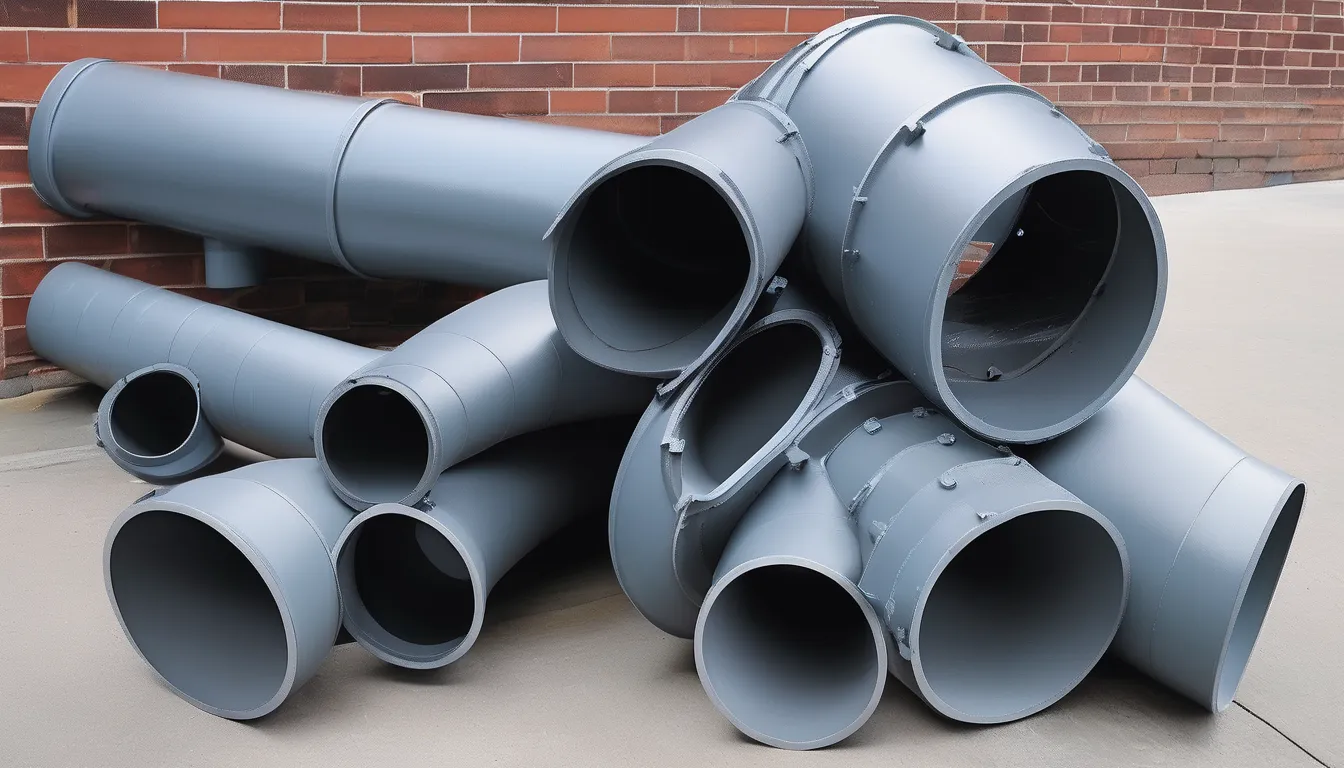
When you’re designing a high-flow drainage system, selecting the right pipe parts can be a daunting task. You’ll need to consider the flow rate and volume of water the system will handle, as well as the pipe’s intended application and location. But that’s just the starting point. The materials you choose must be able to withstand the system’s operating temperature and pressure, and resist corrosion, abrasion, and impact. Now, you’re probably wondering how to balance these factors and ensure the system functions efficiently – and that’s where the real challenge begins.
Assessing System Requirements
When assessing your drainage pipe system‘s requirements, it’s crucial to identify the key factors that will determine its overall efficiency and performance. You’ll need to consider the flow rate and the volume of water the system will handle, as well as the pipe’s intended application and location.
For instance, a drainage system in an area prone to heavy rainfall or flooding may require larger pipes and more extensive infrastructure.
You should also assess the terrain and topography of the area where the drainage system will be installed. This includes the slope and elevation of the land, as well as any obstacles or features that may affect the flow of water.
Additionally, consider the local building codes and regulations that govern 排水管 岐阜県 systems in your area. These factors will help you determine the best configuration and components for your drainage pipe system.
Material Selection Considerations
Selecting the right materials for your drainage pipe system is crucial, and it’s essential to consider several key factors in this process.
You’ll want to think about the type of fluid being transported, its corrosive properties, and the pipe’s operating temperature and pressure.
These factors will help you determine the most suitable materials for your drainage pipe system.
When it comes to material selection, you have several options, including PVC, ABS, and HDPE.
PVC pipes are cost-effective and resistant to corrosion, but they may not be suitable for high-temperature applications.
ABS pipes are more flexible and resistant to impact, but they can be prone to cracking under pressure.
HDPE pipes, on the other hand, are highly resistant to corrosion and abrasion, making them ideal for high-flow systems.
You should also consider the pipe’s durability and lifespan when selecting materials.
Will the pipes be exposed to harsh weather conditions or UV light?
Are they at risk of being damaged by rodents or other pests?
Pipe Sizing and Configuration
Now that you’ve chosen the right materials for your drainage pipe system, it’s time to think about the pipe’s size and configuration.
Proper sizing is crucial for high-flow systems, as it affects the flow rate, pressure drop, and overall performance of the system. To determine the correct pipe size, you’ll need to consider factors like the expected flow rate, pipe length, and desired pressure drop.
You can use pipe sizing charts or calculations to determine the optimal pipe size for your system.
These charts typically provide the flow rate and pressure drop for various pipe sizes and materials. By comparing your system’s requirements with the chart data, you can select the most suitable pipe size for your high-flow system.
When it comes to configuration, you’ll need to consider the pipe’s layout, including the number of bends, tees, and other fittings.
A well-designed configuration can minimize pressure drop and reduce the risk of clogs.
You should also consider the pipe’s slope, as it affects the flow rate and overall performance of the system.
Fitting and Connection Options
Choosing the right fittings and connections for your drainage pipe system is crucial for maintaining performance and preventing leaks.
When selecting fittings, consider the type of pipe material, flow rates, and operating pressures. Ensure that the fittings are compatible with the pipe material and meet the required standards.
You’ll also need to decide on the connection type, such as solvent welding, push-fit, or threaded connections. Each connection type has its advantages and disadvantages.
Solvent welding provides a strong, permanent bond, while push-fit connections offer ease of installation and flexibility. Threaded connections provide a secure connection but may be more prone to leaks if not tightened properly.
When choosing fittings and connections, consider the following factors to avoid costly mistakes:
- Pipe material compatibility: Ensure the fittings are compatible with the pipe material to prevent corrosion and damage.
- Flow rate and pressure: Choose fittings that can handle the system’s flow rates and operating pressures to prevent clogging and leaks.
- Installation ease and flexibility: Consider the ease of installation and flexibility of the connection type to ensure a smooth and efficient installation process.
Pressure and Velocity Testing
To ensure your drainage pipe system performs as expected, you’ll need to test its pressure and velocity. This testing is crucial in high-flow systems, as it can help you identify potential issues before they become major problems. You’ll want to test the pressure of your system to ensure it can withstand the flow rate and any potential surges.
| Testing Method | Description |
|---|---|
| Hydrostatic Pressure Test | This test involves filling the pipe with water and applying pressure to check for leaks or damage. |
| Air Pressure Test | This test involves filling the pipe with compressed air to check for leaks or damage. |
| Velocity Meters | These devices measure the flow rate and velocity of the fluid in the pipe. |
| Pressure Gauges | These devices measure the pressure in the pipe and can help you identify potential issues. |
| Ultrasonic Flow Meters | These devices use sound waves to measure the flow rate and velocity of the fluid in the pipe.
Conclusion
You’ve now got the essentials to select the best drainage pipe parts for high-flow systems. Assessing your system’s requirements, choosing the right materials, and determining the optimal pipe size and configuration are key. Don’t forget to consider fitting and connection options, and test your system’s pressure and velocity to ensure it can handle the demands. By following these steps, you’ll be able to design a reliable and efficient drainage system that meets your needs.
Restore Comfort Through Chiropractic Adjustments

If you're struggling with persistent back pain, limited mobility, or poor posture, you might be surprised by the relief that chiropractic adjustments can offer. By applying controlled 豊田市 整体 ces to specific joints, chiropractors can release tension and restore movement to areas that have become stuck or restricted. But how do these adjustments work, and what benefits can you expect from regular chiropractic care? Chiropractors treat a wide range of conditions, from sciatica to migraines, but what's involved in a typical session? To better understand how chiropractic adjustments can help you, let's take a closer look at the process.
How Chiropractic Adjustments Work
With every chiropractic adjustment, your body undergoes a series of subtle yet significant changes. When a chiropractor applies a controlled force to a specific joint, it can help restore proper alignment and movement.
This process, known as spinal manipulation, targets areas where joints or vertebrae are stuck or restricted, often due to injury, poor posture, or other factors.
As your chiropractor makes the adjustment, you may hear a popping or cracking sound, which is caused by the sudden release of gas bubbles in the fluid surrounding the joint.
This release of pressure allows the joint to move more freely, helping to relieve tension and stiffness in the surrounding muscles.
The adjustment itself is often quick and painless. Your chiropractor may use their hands or a small instrument to apply the necessary force.
They'll typically focus on specific areas of your spine or other joints, using X-rays or other diagnostic tools to identify the problem areas.
Benefits of Regular Chiropractic Care
Restore Comfort Through Chiropractic Adjustments
Benefits of Regular Chiropractic Care
Regular chiropractic care offers numerous benefits that can have a significant impact on your overall health and well-being. By incorporating chiropractic adjustments into your routine, you can experience improved spinal mobility, increased flexibility, and enhanced range of motion.
This can lead to better posture, reduced muscle tension, and a lower risk of injury. Regular chiropractic care can also improve your body's natural healing processes, allowing you to recover faster from illness or injury.
In addition to physical benefits, regular chiropractic care can also have a positive impact on your mental health. By reducing stress and promoting relaxation, chiropractic adjustments can help alleviate symptoms of anxiety and depression.
Furthermore, chiropractic care can improve your overall quality of life by increasing energy levels, enhancing sleep quality, and boosting your immune system. By prioritizing your spinal health through regular chiropractic care, you can take a proactive approach to maintaining your overall health and well-being.
This can lead to a healthier, happier you, both now and in the long term.
Common Conditions Treated by Chiropractors
Regular chiropractic care can have a significant impact on your overall health, and it's often used to treat a variety of conditions beyond just back pain. You may be surprised to learn that chiropractors treat a wide range of conditions that affect your musculoskeletal and nervous systems.
One of the most common conditions treated by chiropractors is sciatica, which occurs when the sciatic nerve is irritated or compressed.
Chiropractors also treat headaches, including migraines and tension headaches, by realigning the spine and relieving pressure on the nervous system.
Additionally, chiropractors can help alleviate symptoms of fibromyalgia, a condition characterized by widespread muscle pain and fatigue.
Chiropractors also treat conditions such as carpal tunnel syndrome, plantar fasciitis, and tennis elbow.
Sports injuries, such as sprains and strains, can also be effectively treated with chiropractic care.
Furthermore, chiropractors can help improve your posture, reduce stress, and enhance your overall well-being.
What to Expect During a Session
What to Expect During a Session
During your first chiropractic session, you'll typically fill out a health history form to provide your chiropractor with information about your condition and any prior injuries or health issues. This will help your chiropractor understand your specific needs and develop a personalized treatment plan.
After reviewing your health history, your chiropractor will perform a physical examination to assess your posture, range of motion, and joint mobility. They may also use diagnostic imaging tests, such as X-rays, to help identify the underlying cause of your condition.
Here's what you can expect during a typical chiropractic session:
|
Step |
Procedure |
Duration |
|---|---|---|
|
Initial Consultation |
Review health history, discuss symptoms, and set goals |
15-30 minutes |
|
Physical Examination |
Assess posture, range of motion, and joint mobility |
15-30 minutes |
|
Chiropractic Adjustment |
Apply gentle, controlled force to restore joint mobility |
5-10 minutes |
|
Follow-up Care |
Schedule next appointment, provide self-care instructions |
5-10 minutes |
Your chiropractor will explain each step of the process and answer any questions you may have to ensure a comfortable and successful treatment experience.
Long-Term Effects of Chiropractic Care
Chiropractic care has been shown to have a lasting impact on your overall health and well-being. By incorporating regular chiropractic adjustments into your healthcare routine, you can experience long-term benefits that extend far beyond temporary pain relief.
You'll notice improved spinal flexibility and range of motion, making everyday activities easier to manage. Regular chiropractic care can also help strengthen your immune system, as a healthy spine is essential for optimal nervous system function.
As you continue to receive chiropractic care, you may find that you're better equipped to handle stress and anxiety. This is because chiropractic adjustments can help regulate your body's response to stress, promoting a sense of calm and relaxation.
Additionally, you may notice improvements in your overall sleep quality, which can have a ripple effect on your physical and mental health. By investing in chiropractic care, you're taking a proactive approach to your health, and the long-term effects can be truly transformative.
With regular adjustments, you'll be empowered to take control of your health and well-being, leading to a happier, healthier you.
Frequently Asked Questions
Can Chiropractors Treat Conditions Other Than Back Pain?
You're wondering if chiropractors treat conditions other than back pain. Yes, they can. Chiropractors often help with headaches, sciatica, and joint issues, applying spinal adjustments to alleviate symptoms and promote overall well-being, don't they?
Do Chiropractors Require Medical Licenses to Practice?
You're likely wondering if chiropractors need medical licenses to practice. They typically require a Doctor of Chiropractic (DC) degree, but licensing requirements vary by state and country, often involving certifications and exams.
Is Chiropractic Care Covered Under Medical Insurance?
You're likely wondering if your insurance covers chiropractic care. The answer varies depending on your policy and location. Some plans cover it, while others don't, so you'll need to check your specific insurance coverage details.
Can Pregnant Women Undergo Chiropractic Adjustments Safely?
If you're pregnant, you're likely wondering if chiropractic care is safe for you. You can rest assured, as many pregnant women safely undergo chiropractic adjustments, but it's essential that you find a prenatal-certified chiropractor.
Are Chiropractic Adjustments Suitable for Children and Infants?
You're wondering if chiropractic adjustments are suitable for children and infants. Yes, they can be – when performed by a trained pediatric chiropractor. Gentle techniques are used, promoting healthy development and addressing potential spinal issues early on.
Conclusion
You'll find that chiropractic adjustments can be a game-changer for your overall well-being. By incorporating regular chiropractic care into your routine, you can experience long-term benefits like improved spinal mobility, increased flexibility, and a lower risk of injury. As you maintain your spinal health, you'll be better equipped to tackle daily activities and live a healthier, more active lifestyle. With chiropractic care, you can take control of your body and unlock a stronger, more resilient you.
Road Construction Job Openings A New Career Awaits
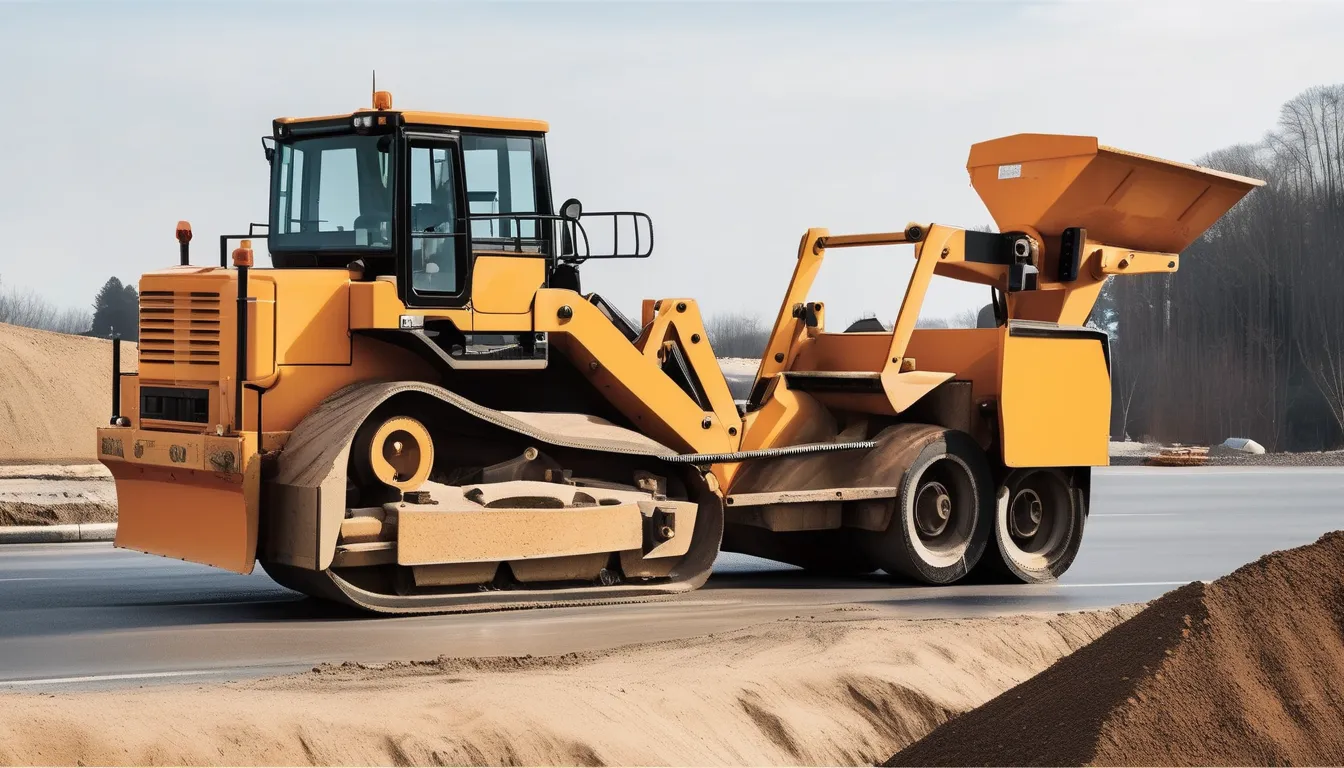
If you’re considering a career change or looking for a field with a wide range of job opportunities, you might want to take a closer look at the road construction industry. As you explore this field, you’ll find that it’s not just about manual labor – there are numerous roles available, from technical positions to administrative jobs, that require specialized training and certifications. You may be wondering what types of jobs are available and what it takes to get started. What you discover might just lead you to a new and rewarding career path that can provide financial stability and room for growth.
Road Construction Industry Overview
The road construction industry is a vital part of our nation’s infrastructure, and you’re likely to see its impact every time you drive. From highways to local 道路工事 求人 八千代市 s, every route you take was built and maintained by this industry.
It’s essential for economic growth, providing access to goods, services, and employment opportunities.
You’ll find road construction companies working on various projects, including new road development, repairs, and upgrades.
They use advanced technology, like GPS and drones, to ensure efficiency and precision.
The industry also focuses on sustainability, incorporating eco-friendly materials and practices into their work.
As a significant sector, road construction contributes to the country’s GDP and employs millions of people.
You’ll notice the industry’s presence in your community, with construction sites and traffic management systems in place.
The work doesn’t go unnoticed; it affects your daily commute, travel time, and overall quality of life.
With ongoing infrastructure development, the road construction industry continues to play a crucial role in shaping the nation’s transportation network.
Job Opportunities and Requirements
As you consider a career in the road construction industry, you’ll find a wide range of job opportunities that cater to various skills and interests. Many of these roles require specialized training, certifications, or degrees, while others may only need on-the-job experience.
You’ll need to be physically fit and able to work in varying weather conditions for most positions.
The road construction industry is constantly evolving, and you’ll have opportunities to grow and develop your skills throughout your career. You may start in an entry-level position and move up to more senior roles as you gain experience and training.
Employers often look for candidates with strong communication and teamwork skills, as well as the ability to problem-solve and adapt to changing situations. You’ll also need to be able to follow safety protocols and regulations to ensure a safe working environment.
Types of Road Construction Jobs
You’ll find a variety of roles in road construction, from manual labor to technical and administrative positions.
As you explore this industry, you’ll discover jobs like laborers, who assist skilled workers and perform manual labor tasks. You might also consider working as a heavy equipment operator, where you’ll drive and maintain machinery like excavators, bulldozers, and cranes.
If you have a technical background, you could work as a surveyor, ensuring that construction sites are properly marked and prepared for building. Other technical roles include estimators, who calculate project costs, and quality control specialists, who monitor the quality of materials and workmanship.
You’ll also find administrative positions in road construction, such as project managers, who oversee the entire construction process, and safety inspectors, who ensure compliance with safety regulations.
Additionally, you could work in roles like logistics coordination, human resources, or finance, supporting the construction team and helping to keep the project on track.
Whatever your skills and interests, there’s likely a road construction job that’s a good fit for you.
Training and Certification Programs
Numerous training and certification programs are available for those looking to enter or advance in the road construction industry. You can take advantage of these programs to gain the skills and knowledge needed to succeed in this field. Many organizations, such as the Federal Highway Administration (FHWA) and the Transportation Curriculum Coordination Council (TCCC), offer training and certification programs for road construction professionals.
These programs cover a range of topics, including construction management, safety, and materials science. By completing one of these programs, you can demonstrate your expertise and commitment to the field, and increase your chances of getting hired or advancing in your career.
| Certification Program | Description |
|---|---|
| Certified Construction Manager (CCM) | Demonstrates expertise in construction management, including planning, budgeting, and quality control. |
| Road Safety Certification | Covers safety procedures and protocols for road construction sites. |
| Pavement Materials Certification | Focuses on the properties and applications of different pavement materials. |
| Heavy Equipment Operator Certification | Validates the operator’s ability to safely operate heavy equipment. |
| Quality Control Certification | Covers quality control procedures and protocols for road construction projects.
Career Advancement and Benefits
A successful career in road construction can be both financially rewarding and professionally fulfilling. As you progress in your role, you’ll have opportunities to take on more responsibilities, develop your skills, and increase your earning potential.
With experience, you can move into supervisory or management positions, overseeing projects and leading teams. You may also have the chance to specialize in a particular area, such as bridge construction or highway maintenance.
In addition to career advancement opportunities, road construction jobs often come with a range of benefits. These can include health insurance, retirement plans, and paid time off.
Many employers also offer training and development programs to help you stay up-to-date with the latest technologies and techniques. Some companies may also provide bonuses or profit-sharing schemes, which can significantly boost your earnings.
With hard work and dedication, you can build a successful and rewarding career in road construction, with a good income and a range of benefits to support you and your family.
Frequently Asked Questions
What Is the Typical Work Schedule for Road Construction Workers?
When you work in road construction, you’ll likely have a varied schedule. You’ll typically work long hours, often 8-12 hours a day, 5-6 days a week, with overtime common during peak construction seasons.
Can I Work in Road Construction With a Felony Conviction?
You might face challenges working in road construction with a felony conviction, as some employers require background checks. You’ll need to disclose your conviction and be prepared to discuss it during the hiring process.
Are Road Construction Jobs Available for Non-Us Citizens?
If you’re a non-US citizen, you’ll need a valid work visa to apply for road construction jobs. You can search for job openings that sponsor visas or check with employers about their hiring policies for non-citizens.
How Often Do Road Construction Workers Get Paid Overtime?
You’re likely to get paid overtime in road construction often, as projects frequently face deadlines and inclement weather. You’ll work extra hours, especially during peak construction seasons, and get compensated accordingly, usually at a higher rate.
Do Road Construction Companies Provide On-Site Accommodations?
You’re wondering if road construction companies provide on-site accommodations. Some companies offer this perk, especially for long-term projects in remote areas, but it’s not a standard practice. You’ll need to check with the employer to confirm.
Conclusion
You’re now ready to take the first step towards a rewarding career in road construction. With various job openings and opportunities for advancement, you can choose a path that suits your skills and interests. Pursue specialized training and certifications to increase your chances of success. As you progress in your career, you’ll enjoy financial rewards, benefits, and a sense of fulfillment that comes with building and maintaining the nation’s infrastructure.