


Custom Canvas Prints Turn Memories Into Art

You’ve got a collection of cherished memories stored away on your phone or computer, just waiting to be transformed into something truly special. Imagine being able to hold onto those moments forever, and even share them with loved ones, in a unique and beautiful way. With custom canvas prints, you can do just that. But where do you start? What makes a great canvas print, and how can you ensure your memories shine in a way that sparks conversations and tells your story? The possibilities are endless, and we’re about to explore them.
Choosing the Perfect Canvas Size
When deciding on a custom canvas print, selecting the right size is crucial to ensure your artwork or photo makes a statement in the desired space.
You’ll want to consider the space where the canvas will hang, taking into account the room’s dimensions, furniture, and decor. Measure the wall or area where you plan to hang the canvas, and think about the impact you want to make.
A large canvas can be a focal point, while a smaller one might complement existing decor.
You’ll also want to think about the resolution and quality of your image. A lower-resolution image mightn’t look great on a large canvas, so you may need to opt for a smaller size.
On the other hand, a high-resolution image can be blown up to a larger size without sacrificing quality. Consider the aspect ratio of your image as well – a panoramic image, for example, might look best on a longer, narrower canvas.
Image Preparation and Editing Tips
Now that you’ve chosen the perfect canvas size, it’s time to focus on preparing your image for printing.
This step is crucial to ensure your custom canvas print turns out exactly as you envision it.
Start by checking the resolution of your image. A minimum of 300 dpi is recommended for high-quality printing.
If your image is low-res, consider resizing it or taking a new, higher-quality photo.
Next, edit your image to enhance its colors, contrast, and brightness.
You can use photo editing software like Adobe Lightroom or Photoshop to make adjustments.
Be cautious not to over-edit, as this can affect the canvas prints ‘s overall quality.
Remove any dust, scratches, or blemishes that might be visible on the canvas.
If your image has a lot of noise or grain, try to reduce it without sacrificing too much detail.
Canvas Print Finishing Options Explained
You’ve perfected your image, and it’s time to decide how you want your custom canvas print to be finished.
This is where you get to add those final touches that’ll make your artwork truly unique. One crucial decision is the type of canvas wrap you want. You can choose from a standard wrap, where the image wraps around the edges of the frame, or a museum wrap, which leaves a white border around the image.
Another option is to add a float frame, which creates a gap between the canvas and the frame, giving your print a sleek, modern look.
You’ll also need to decide on the type of coating for your canvas. A matte coating reduces glare and is ideal for rooms with high lighting, while a glossy coating enhances the colors and is perfect for rooms with low lighting.
Additionally, you can choose to add a dust cover to the back of your canvas to protect it from dust and moisture. Lastly, consider adding a hanging wire or sawtooth hanger to make it easy to hang your print.
With these finishing options, you can customize your canvas print to fit your style and decor.
Creating a Gallery Wall Masterpiece
A stunning gallery wall masterpiece is within your reach, and it starts with a vision.
You imagine a beautiful arrangement of custom canvas prints that tell a story, evoke emotions, or simply add visual interest to your space.
To bring this vision to life, start by gathering your favorite photos, art pieces, or quotes. Decide on a unifying theme, color palette, or style to tie everything together.
Next, choose a layout that resonates with you.
Do you prefer a symmetrical arrangement or a more eclectic, mix-and-match approach? Consider the size and shape of your wall, as well as the furniture and decor surrounding it.
You can use online tools or create a physical mockup to visualize your design.
Once you have a solid plan, start selecting the perfect custom canvas prints to bring your vision to life.
Play with different sizes, shapes, and orientations to add depth and visual interest.
With a clear vision and a well-executed plan, you’ll be on your way to creating a gallery wall masterpiece that showcases your unique style and flair.
Preserving Memories for Generations
Your custom canvas prints can become a treasured family heirloom, preserving memories for generations to come.
They’ll allow you to relive happy moments and share them with your loved ones, creating a sense of connection and belonging. Imagine being able to show your grandchildren the exact spot where you proposed to your partner or where your children took their first steps.
With custom canvas prints, you’ll be able to do just that.
As you pass down your custom canvas prints to your children and grandchildren, they’ll become a part of your family’s history.
They’ll spark conversations and stories, helping to keep your family’s legacy alive. You’ll be able to share your values, traditions, and cultural heritage with future generations, giving them a sense of roots and identity.
Conclusion
Now that you’ve turned your cherished memories into stunning works of art, get ready to relive those happy moments every time you gaze at your custom canvas print. With a perfect canvas size, beautifully edited images, and stunning finishing options, you’ll be the proud owner of a treasured family heirloom. Whether it’s a solo print or a gallery wall masterpiece, your custom canvas print will spark conversations and share your story for generations to come.
Irresistible Pheromone Perfumes for Men: Scents That Command AttentionWhat Are Pheromone Perfumes?
Irresistible Pheromone Perfumes for Men: Scents That Command Attention
What Are Pheromone Perfumes?
Pheromone perfumes are designed to enhance a man's natural scent, making him more attractive to others. These fragrances contain synthetic or naturally derived an chemical signals associated with attraction. While pheromones themselves are odorless, they interact with a person’s body chemistry and the perfume’s scent profile to create a more appealing aura. Many men choose pheromone-infused colognes to boost confidence and social appeal.
How Pheromone Perfumes Work
Pheromone perfumes function by amplifying signals that can subconsciously influence attraction. They contain compounds such as androstadienone, androstenone, and androsterone—each believed to affect human interactions in subtle ways. These fragrances can be worn in social settings, on dates, or in professional environments to leave a lasting impression.
For those interested in trying a high-quality pheromone cologne, a range of options is available at Best Pheromone perfumes for menThis selection features premium formulations designed to maximize attraction and presence.
Top Pheromone Perfumes for Men
1. Raw Chemistry Pheromone Cologne
Raw Chemistry’s pheromone cologne is a popular choice for men seeking an extra edge in attraction. With a fresh and masculine scent, it is designed to last for hours. Infused with a blend of pheromones that enhance confidence, this fragrance is well-suited for both casual and formal occasions.
2. Pherazone for Men
Pherazone is known for its high concentration of pheromones, making it one of the strongest options on the market. It blends these chemical attractants with a sophisticated fragrance, making it an excellent option for men looking to stand out in social settings.
3. Nexus Pheromone Cologne
Nexus Pheromone Cologne combines seven human pheromones that are believed to boost attraction. It features a subtle yet compelling fragrance, making it a solid option for men who prefer a scent that is not overpowering. Ideal for work or date nights, it helps create a confident and appealing presence.
4. True Pheromones Men's Cologne
True Pheromones is designed with a mix of potent attractants aimed at enhancing personal appeal. The fragrance itself is light and fresh, allowing men to wear it alone or layer it with their favorite cologne. This option is perfect for those who want a customizable scent experience.
5. LuvEssentials Pheromone Cologne
LuvEssentials offers a smooth, seductive blend that is formulated with a high concentration of pheromones. This cologne is often praised for its ability to subtly enhance interactions and is a great choice for men looking to improve their social and dating life.
Choosing the Right Pheromone Perfume
When selecting a pheromone perfume, it’s important to consider the type of fragrance you prefer. Some colognes have a strong, musky scent, while others lean towards fresh or citrusy notes. The concentration of pheromones also plays a role in effectiveness. Higher concentrations tend to produce more noticeable effects, while lighter formulations may offer a subtler impact.
How to Apply Pheromone Perfume for Best Results
To maximize the effectiveness of a pheromone cologne, apply it to pulse points such as the wrists, neck, and behind the ears. These areas generate heat, helping to diffuse the scent throughout the day. Avoid over-applying, as too much can overwhelm the senses. Instead, start with a small amount and adjust as needed.
The Role of Body Chemistry in Pheromone Perfume Performance
Each person’s body chemistry interacts differently with pheromone colognes. Factors such as skin type, diet, and natural scent all influence how a fragrance develops over time. This means a cologne that works exceptionally well for one individual may perform differently for another. It may take some experimentation to find the best match.
Final Thoughts on Pheromone Perfumes for Men
Pheromone perfumes offer an intriguing way for men to enhance their appeal and confidence. Whether seeking a subtle boost in everyday interactions or aiming to make a stronger impression in social settings, these colognes can provide an advantage. Selecting a high-quality formula and applying it correctly will help maximize its potential, allowing for a more engaging and attractive presence.
Exploring Business Horizons A Guide to Corporate Travel in India
In an era where global connectivity and international collaboration are crucial, Business Travel and Corporate Travel have emerged as vital components for growth and success. Transforming these travels into enriching experiences requires careful planning and execution. India, with its diverse culture and booming economy, offers a plethora of opportunities for such Corporate Tours. Let’s delve into how India Tours can revolutionize your next corporate venture.
The Dynamics of Corporate Travel
With businesses expanding their boundaries, Business Tours have become more than just work trips. These journeys are essential for networking, exploring new markets, and solidifying deals. The art of successful Corporate Travel involves understanding local markets, cultural nuances, and logistical planning, all of which can be effortlessly managed by a reliable Travel Agency.
Key Benefits of Business Tours in India
- Networking Opportunities: India houses a multitude of business hubs, making it an ideal destination to connect with industry leaders and potential partners.
- Cost-effective Travel: With budget-friendly solutions and efficient transportation, traveling in India can be both economical and comfortable.
- Cultural Exposure: Enhancing cultural knowledge aids in better cross-cultural communications and successful business dealings.
Essentials for a Successful Corporate Tour
- Strategic Planning: Identify your objectives and plan your itinerary accordingly. Consider locations that offer the best potential for your business endeavors.
- Engage a Professional Travel Agency: Collaborate with experts who can customize your tour, ensuring a blend of work and leisure.
- Embrace Technology: Utilize apps and online services to manage schedules, consultations, and meetings seamlessly.
Choosing the Right India Tours for Corporate Success
India offers a wide array of India Tours tailored for corporate needs. Whether it’s the bustling streets of Mumbai or the tech-savvy corridors of Bangalore, each destination provides unique opportunities. When planning Business Travel in India, prioritize tours that align with your business objectives and provide insightful experiences.
FAQs About Corporate Travel in India
Q: What are the best cities in India for business tours?
A: Major cities like Mumbai, Delhi, Bangalore, and Hyderabad are renowned for being industrial and technological hubs, ideal for business engagements.
Q: How can a Travel Agency assist in corporate tours?
A: A professional Travel Agency can handle logistics, provide local insights, and customize itineraries, ensuring a smooth trip and allowing you to focus solely on your business goals.
Embarking on Corporate Tours in India offers an unparalleled opportunity to merge business with culture, ensuring a comprehensive growth strategy for your organization. The key to unlocking these benefits lies in informed planning and utilizing proficient travel services. As you set out on this journey, remember that every mile traveled is a step towards innovation and expansion.
Unlocking the Ultimate Streaming Experience with IPTV Technology
In today’s fast-paced digital world, having a diverse range of streaming options at your fingertips is essential for entertainment lovers. Enter the world of IPTV—an innovative technology that’s transforming the way we consume media. With gadgets like flix tv and firestick iptv, users can access an endless array of channels and content. Join us as we delve into how you can enhance your viewing pleasure with the perfect iptv setup and iptv subscription.
The Wonders of IPTV Technology
Internet Protocol Television, or IPTV, harnesses the power of internet connectivity to provide viewers with hundreds of cable channels, including exclusive 4K live TV channels. With IPTV, you’re not just limited to traditional viewing; imagine watching stunning high-definition content without the hassle of cable subscriptions.
Setting Up IPTV: A Step-by-Step Guide
Wondering how to begin your IPTV journey? Follow these simple steps to setup and enjoy seamless streaming:
- Select a reliable iptv subscription
- Download the IPTV application on your firestick iptv or compatible device
- Enter your credentials and input your flix iptv playlist
- Explore and enjoy your customized streaming service
Why Choose IPTV Over Traditional Services?
- Cost-effective pricing: Enjoy flexibility with affordable subscription fees
- Wide variety: Access thousands of tv flix channels
- Streamlined iptv setup: Easy installation with user-friendly interfaces
- Superior quality: Experience stunning visuals with 4K live TV channels
Finding the Best IPTV Service
Choosing the right service is crucial for an unmatched streaming experience. Make sure to opt for the best iptv service that offers comprehensive channel listings, excellent customer support, and advanced technology for lag-free streaming.
For those seeking a top-tier experience, we recommend exploring flix tv for a superior combination of quality, affordability, and variety.
FAQs About IPTV Services
Q: How does IPTV differ from regular cable TV?
A: Unlike traditional cable services, IPTV uses internet technology, offering flexible, on-demand access to media content.
Q: Is IPTV legal to use?
A: Yes, IPTV is legal when you subscribe to a licensed service provider that pays for the proper distribution rights.
Q: Can I watch IPTV on multiple devices?
A: Most iptv subscription services allow you to stream on multiple devices, but be sure to check specific terms with your provider.
With the right iptv service, you can effortlessly transform your entertainment landscape. Whether you’re a sports fan or a movie buff, the possibilities are endless with IPTV technology!
Apple SN Check Is Your Device Genuine or Fake?
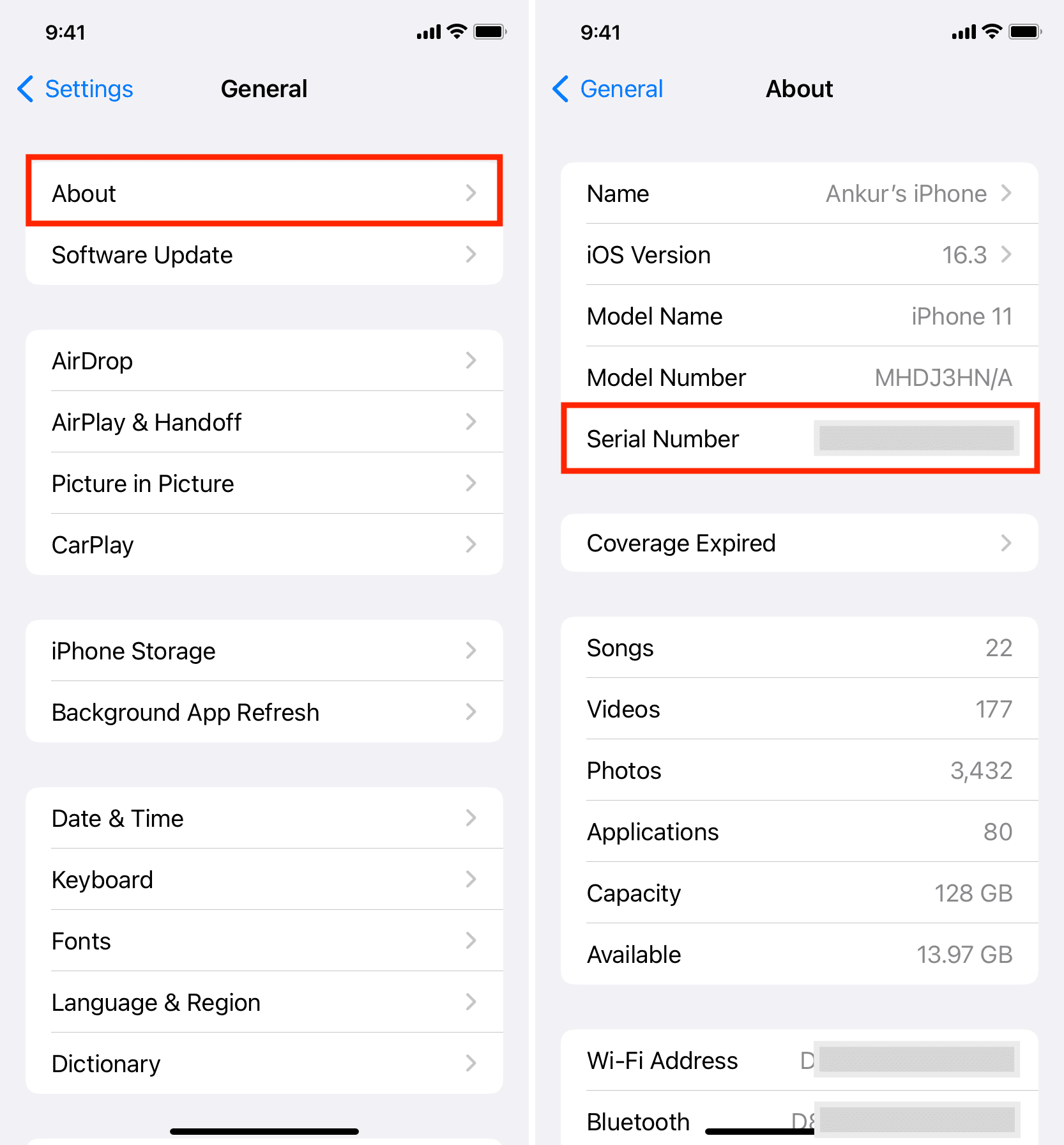
You’ve just gotten your hands on a brand-new Apple device, but how can you be certain it’s the real deal? Counterfeit devices are more common than you think, and using a fake one can put your data at risk and invalidate your warranty. So, what’s the first step in verifying your device’s authenticity? It all starts with the Apple SN check. By checking your device’s serial number, you can uncover its true identity. But what does this process entail, and what signs should you look out for to ensure your device is genuine?
Understanding Apple Serial Numbers
When purchasing or owning an Apple device, you’re likely to encounter a unique identifier known as a serial number.
This string of characters is a crucial piece of information that distinguishes your device from others. You can find the serial number on the device’s packaging, on the manufacturer’s website, or on the device itself, usually in the “About” section.
The serial number is used to verify the device’s authenticity and warranty status.
It’s essential to keep this number safe, as it can be used to track your device or access its warranty information. Apple uses serial numbers to identify devices and provide support, so it’s crucial to have it handy when contacting their customer service.
Serial numbers can also be used to check the device’s specifications, such as the model, storage capacity, and production date.
This information can be useful when troubleshooting issues or determining compatibility with certain software or accessories. By understanding the importance of your Apple device’s serial number, you can ensure a smoother and more secure user experience.
How to Perform an Apple SN Check
You’re likely wondering how to perform an Apple SN check, given the significance of your device’s serial number.
To get started, locate your device’s serial number, which can be found in various places depending on the device type.
For iPhones, iPads, and iPods, you’ll find it on the packaging or on the device itself, usually on the SIM card tray or the back of the device.
For Macs, it’s located on the underside of the laptop or on the packaging.
Once you have the serial number, head to Apple’s website and click on the “Support” tab.
Then, select “Check Your Service and Support Coverage” and enter your serial number in the provided field.
If your device is genuine, Apple will display its warranty status, repair history, and other relevant information.
Alternatively, you can use the “About” section on your device to find the serial number.
On iPhones, go to Settings > General > About, while on Macs, click the Apple sn check logo in the top left corner and select “About This Mac.”
Verifying Your Device’s Authenticity
By the time you’ve obtained your device’s serial number, you’re probably eager to verify its authenticity.
Now, it’s time to check if your device is genuine or not. To do this, head to Apple’s official website and navigate to the “Check Your Service and Support Coverage” page.
Enter your device’s serial number in the required field and click “Continue.” If your device is authentic, Apple will display its warranty and support status. You can also check if your device is eligible for any repairs or upgrades.
If you’re using a Mac, you can also check your device’s authenticity through the “About This Mac” section.
Click the Apple logo in the top left corner, select “About This Mac,” and then click the “System Report” button. Scroll down to the “Hardware” section and look for the “Serial Number” field.
Click on it, and your Mac will display a window with your device’s serial number and other details. If the serial number matches the one on Apple’s website, your device is likely genuine.
Common Signs of a Fake Device
Fake Apple devices are often disguised to deceive, but there are telltale signs that can give them away.
When you’re holding a device that’s supposed to be an iPhone or MacBook, look for inconsistencies in the design, material, or build quality.
Check the weight, as authentic Apple devices typically have a solid, premium feel. Examine the screen, too – if it’s not as crisp or responsive as you expect, it could be a fake.
Inspect the device’s packaging and accessories.
Genuine Apple products come with high-quality packaging, including precise font and logo printing. Be wary of misspelled words, blurry images, or flimsy materials.
Check the power adapter, earbuds, and cables for similar inconsistencies.
You should also verify the device’s operating system and software. If the interface looks off or doesn’t function as expected, it might be a fake.
What to Do If Your Device Is Fake
If your suspicions are confirmed and your device is indeed counterfeit, report it to Apple immediately.
You can do this by filling out their online counterfeit reporting form or by contacting their customer support directly. Be prepared to provide as much information as possible about the device, including its serial number, purchase date, and any other relevant details.
Next, stop using the device and remove any personal data or sensitive information from it.
This is crucial to prevent any potential security risks or data breaches. You should also be cautious when dealing with the seller or retailer where you purchased the device, as they may be involved in the counterfeiting operation.
Conclusion
You’ve taken the crucial step of verifying your Apple device’s authenticity. Remember, a genuine device ensures warranty status, proper troubleshooting, and security. Stay vigilant for inconsistencies in design, material, or build quality, and inspect packaging and accessories for signs of counterfeiting. If your device is fake, report it to Apple and avoid using it to prevent potential security risks. By being proactive, you’ll protect your investment and personal data.