


Designer Vs. Off-The-Rack What Bridal Shops Offer for Every Budget

As you start your search for the perfect wedding dress, you’re likely wondering what options are available within your budget. You might think that designer gowns are out of reach, but many bridal shops offer bespoke services, semi-custom designs, and affordable alternatives from high-end designers. On the other hand, off-the-rack dresses can be tailored to fit your unique style. But what exactly do these options entail, and how can you find the one that’s right for you?
Luxury on a Budget
You can experience luxury on a budget without sacrificing style or quality.
Many bridal shops offer affordable options that still provide an upscale experience. You’ll find exclusive designs, premium fabrics, and exceptional craftsmanship at a lower cost than traditional designer gowns.
Look for shops that offer bespoke services, where designers work with you to create a custom gown within your budget.
This way, you’ll get a one-of-a-kind dress that fits your vision and budget. Some shops also offer semi-custom designs, which are pre-existing designs that can be altered to fit your needs.
Additionally, consider shopping during off-peak seasons or taking advantage of sales and promotions.
Many shops offer discounts on certain designs or collections, which can help you stay within your budget. You can also negotiate with the shop owner or designer to see if they can offer any discounts or perks.
Affordable Designer Alternatives
Several high-end designers offer more affordable lines, providing an opportunity to own a designer gown at a lower price point.
You can find these more budget-friendly options from designers like Pronovias, which offers its Atelier Pronovias line, and Reem Acra, with its Reem Acra Ready-to-Wear collection. These lines often feature simpler designs, fewer embellishments, and less expensive fabrics, making them more accessible to brides on a budget.
You’ll still get the designer’s signature style and quality, but at a lower price point.
Some designers also partner with retailers to create exclusive, affordable lines. For example, Jenny Packham has a line with David’s Bridal, offering her signature glamour at a lower price.
You can also look for past-season designer gowns at discounted prices or consider a pre-owned designer gown. These options can help you get the designer dress you’ve always wanted without breaking the bank.
Customization for Off-the-Rack
Off-the-rack dresses often get a bad rap for being generic and unoriginal, but that’s not necessarily the case.
You might think you’re limited to the dress as-is, but many bridal shops offer customization options to make the dress truly yours. You can alter the hem, add or remove embellishments, or even change the color of the dress to fit your unique style.
Some shops may also offer bespoke services, like adding a custom belt or modifying the sleeves.
When you’re trying on off-the-rack dresses, don’t be afraid to think outside the box.
Consider what changes you could make to turn the dress into your dream gown. Many brides have found that with a few tweaks, an off-the-rack dress can become a one-of-a-kind masterpiece.
And the best part? You’ll still get the benefits of an off-the-rack price tag, without sacrificing your personal style.
Bridal Shop Exclusive Designs
Three-quarters of bridal shops carry exclusive designs that can’t be found anywhere else.
These one-of-a-kind gowns are often created in-house by the shop’s own designers or in collaboration with well-known bridal designers. As a bride, you’ll have the opportunity to try on these unique designs, which might just be the perfect fit for your special day.
Since these gowns are only available at the shop, you can be sure you won’t see another bride wearing the same dress at a different wedding.
Many shops also offer customization options for their exclusive designs, so you can still make the dress your own.
This might include changing the neckline, adding embellishments, or switching up the fabric. With exclusive designs, you’ll get the benefits of a custom-made gown without the hefty price tag.
Plus, you’ll have the confidence of knowing you’re wearing a truly one-of-a-kind dress on your wedding day.
Unique Solutions for Every Bride
As you search for the perfect wedding gown, you’ll find that every bride has her own unique style, budget, and preferences.
Bridal shops understand this, which is why they offer a range of unique solutions to cater to every bride’s needs.
From custom alterations to bespoke designs, you can trust that your local bridal shop has got you covered.
If you’re looking for a one-of-a-kind gown, many shops offer bespoke design services where their in-house designers will work closely with you to create a custom gown that fits your vision and budget.
For brides on a tighter budget, many shops offer off-the-rack gowns that can be altered to fit your body perfectly.
Some shops even offer rental options or pre-owned gowns, providing an affordable alternative without sacrificing style.
Whatever your budget or style, rest assured that there’s a bridal shop out there that can provide a unique solution tailored just for you.
Conclusion
You’ve got the perfect vision for your big day, and now you know that whatever your budget, bridal shops in Dallas have got you covered. From luxury bespoke designs to affordable off-the-rack options, the choices are endless. With customization, exclusive shop designs, and affordable designer alternatives, you can find a gown that’s truly you. So, take a deep breath, start shopping, and get ready to walk down the aisle in the dress of your dreams!
Eco-Friendly Sleep The Best Sustainable Mattresses You Can Buy Online
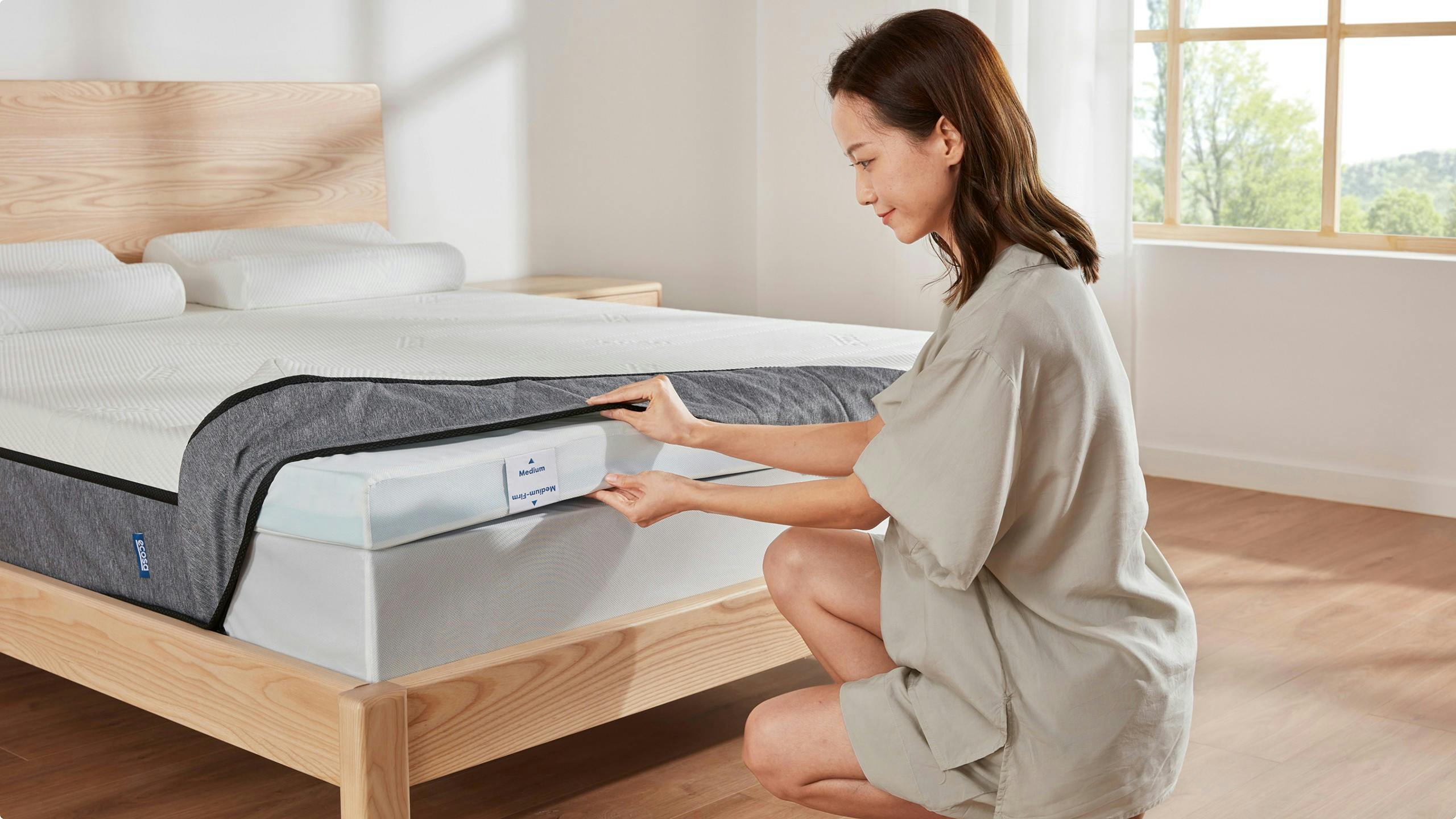
As you consider upgrading your sleep setup, you’re likely thinking about more than just comfort – you’re thinking about the environmental impact of your mattress. You’re not alone. The demand for eco-friendly sleep solutions is on the rise, and for good reason. With so many options available, it can be overwhelming to navigate the world of sustainable mattresses. But what if you could find a mattress that not only supports your body but also supports the planet? From natural latex to recycled materials, there are innovative brands and products that are redefining what it means to sleep soundly – and sustainably.
Natural Latex Mattress Options
When you’re in the market for a sustainable mattress, natural latex options are a great place to start.
You’ll find that natural latex is biodegradable, non-toxic, and resistant to dust mites, mold, and mildew. Plus, it’s incredibly durable, with some natural latex mattresses lasting up to 20 years or more.
Look for mattresses made from 100% natural latex, like those harvested from the sap of the rubber tree. These mattresses will provide excellent support and pressure relief, and they’re often more breathable than traditional mattresses.
Some popular natural latex mattress brands include Avocado, Zenhaven, and PlushBeds.
When shopping, be sure to read the fine print and look for certifications like GOTS (Global Organic Textile Standard) or Oeko-Tex, which ensure the latex meets rigorous environmental and health standards.
You may also want to consider the mattress’s cover material, which can be made from sustainable materials like organic cotton or bamboo.
Recycled Material Mattress Brands
You’ve explored the benefits of natural latex mattresses, but what about recycled material mattress brands?
These eco-friendly options take sustainability to the next level by repurposing materials that would otherwise end up in landfills. One notable brand is Avocado, which uses recycled polyester made from plastic bottles in their mattress covers.
Another brand, WinkBeds, incorporates recycled steel coils into their mattresses. Reclaimed materials reduce waste, conserve natural resources, and lower carbon emissions.
When shopping for a recycled material mattress, look for brands that transparently disclose their sourcing and manufacturing processes.
Some companies partner with recycling facilities to collect and process materials, ensuring a closed-loop system. Others use post-consumer materials, such as old mattresses, to create new products.
Keep in mind that while recycled materials are a significant step towards sustainability, it’s essential to consider the entire production process, including the materials used, transportation, and end-of-life disposal.
Certified Organic Mattress Providers
As you delve deeper into the world of sustainable mattresses, certified organic mattress providers offer another crucial layer of eco-friendliness.
These providers ensure that their top rated mattresses as seen online es meet strict organic standards, guaranteeing a healthier sleeping environment for you and your family. Look for certifications like GOTS (Global Organic Textile Standard) or Oeko-Tex, which verify the use of organic materials and eco-friendly manufacturing processes.
When shopping for a certified organic mattress, you’ll notice that these providers often prioritize natural materials like organic cotton, natural latex, and bamboo.
These materials aren’t only better for the environment but also provide a more breathable and comfortable sleeping surface. Some popular certified organic mattress providers include Avocado, Happsy, and Naturepedic.
These brands offer a range of mattresses that cater to different sleeping styles and preferences, from firm to plush. By choosing a certified organic mattress, you’re supporting a healthier sleep environment and a more sustainable future.
Eco-Friendly Hybrid Mattresses Online
Beyond certified organic mattresses, eco-friendly hybrid mattresses online offer an exciting alternative for those seeking a balance between comfort, support, and sustainability.
You can enjoy the best of both worlds: the pressure-relieving properties of foam and the breathability of innerspring coils. These hybrid mattresses often feature natural latex or plant-based foams, reducing your carbon footprint without sacrificing performance.
Look for brands that use recycled materials, sustainable manufacturing processes, and eco-friendly certifications like Oeko-Tex or CertiPUR-US.
When shopping for an eco-friendly hybrid mattress online, consider your personal preferences and sleeping style.
Do you prefer a softer or firmer mattress? Do you tend to sleep hot or cold?
Some popular eco-friendly hybrid mattress brands include Avocado, WinkBeds, and Zenhaven.
Be sure to read reviews, compare features, and take advantage of sleep trials to ensure you find the perfect mattress for your needs.
Sustainable Budget Mattress Choices
Often, budget constraints can be a major obstacle to going green, but that doesn’t mean you can’t find a sustainable mattress that fits your wallet.
You can still prioritize the planet without breaking the bank. Look for mattresses made from natural materials like bamboo, recycled polyester, or natural latex. These materials aren’t only eco-friendly but also tend to be more affordable.
When shopping on a budget, consider brands that offer certifications like GOTS (Global Organic Textile Standard) or Oeko-Tex.
These certifications ensure the mattress meets certain eco-friendly standards without the hefty price tag. You can also opt for a hybrid mattress that combines natural and synthetic materials, offering a more affordable option without sacrificing sustainability.
Some budget-friendly sustainable mattress brands to explore include Avocado, Zenhaven, and Happsy.
These brands prioritize eco-friendliness without sacrificing comfort or quality. By doing your research and exploring these options, you can find a sustainable mattress that fits your budget and helps you sleep better, knowing you’re doing your part for the planet.
Conclusion
You’ve made the switch to eco-friendly sleep – now it’s time to reap the benefits! With sustainable mattresses made from natural latex, recycled materials, and certified organic components, you’ll sleep soundly knowing you’re doing your part for the planet. Whether you’re looking to splurge or save, there’s an eco-friendly mattress out there for you. By choosing a sustainable mattress, you’re investing in your health, happiness, and the future of our planet – what’s not to love?
The Dynamic World of Bridge Financing in Real Estate
In the ever-evolving landscape of real estate, financing plays a crucial role in determining the pace and scope of property acquisitions and developments. Among the various financing options available, bridge loans stand out for their flexibility and quick turnaround, essentially serving as a “bridge” between a current need and a long-term solution.
Understanding Bridge Loans
A bridge loan is a short-term financing tool used to bridge the gap between the purchase of a new property and the sale of an existing one. These loans are particularly popular in real estate because they allow investors to seize opportunities without the hassle of synchronizing the buying and selling timelines.
Key Features of Bridge Loans
- Short Term Financing: Typically, swing loans have terms ranging from six months to three years.
- Collateral Based: Property assets often serve as collateral, making them a more secure option for lenders.
- Flexibility: Funds can be used for various purposes, from property renovation to down payments for new acquisitions.
- Speedy Processing: Designed for speed, bridge lending ensures that funding is available in days rather than weeks or months.
The seamless nature of bridge lending is crucial for both seasoned investors and those new to the real estate market. Their ability to offer immediate liquidity gives investors a competitive edge, allowing them to pounce on time-sensitive opportunities.
When to Consider a Bridge Loan
Bridge loans are not for everyone. They are most beneficial under specific circumstances:
- You have a guaranteed future cash inflow, such as proceeds from a property sale.
- You need immediate capital to close a deal before securing permanent financing.
- You’re looking to finance immediate repairs or improvements to enhance a property’s value quickly.
Bridge Loans in Real Estate
In real estate, bridge loans offer a strategic advantage, acting as a bridge to loan permanent financing at favorable terms. They empower investors to maneuver quickly in fluctuating markets, react to changes, and optimize their portfolios by securing deals that might otherwise slip away.
Frequently Asked Questions About Bridge Loans
What are the interest rates for bridge loans?
Due to their short-term nature and associated risk, interest rates for bridge loans are generally higher than traditional loans. However, the benefits often outweigh the costs for those needing immediate funding.
Are bridge loans difficult to qualify for?
No, they’re often easier to qualify for compared to traditional loans, primarily because they are asset-backed and designed for quick approval.
For individuals and businesses navigating the arena of real estate finance, understanding the intricacies of bridge loans real estate is paramount. As markets continue to grow and change, the strategic use of short-term financing can significantly impact long-term success.
Blog
Transforming Business Efficiency The Synergy of Modern IT Solutions
In today’s fast-paced digital landscape, businesses are constantly seeking ways to enhance productivity and streamline operations. One effective strategy is leveraging the power of Microsoft 365 Consulting, robust IT Support, and cutting-edge technologies like AI Chatbot. Companies incorporating these solutions often find themselves at the forefront of innovation and efficiency, positioning themselves to compete effectively in their respective markets.
Embracing Microsoft 365 for Seamless Collaboration
Microsoft 365 Consulting plays a pivotal role in optimizing how businesses operate. It provides tools that allow seamless collaboration, communication, and productivity among team members. By adopting Microsoft 365, organizations can:
- Enhance secure and flexible remote working capabilities.
- Integrate powerful applications such as Teams, SharePoint, and Exchange.
- Ensure data protection and compliance with industry standards.
The Role of AI Chatbot in Customer Engagement
Integrating an AI Chatbot helps companies provide outstanding customer support by automating responses to common inquiries and freeing up human agents for more complex issues. Key benefits include:
- 24/7 customer interaction and engagement.
- Faster response times and reduced waiting periods.
- Personalized user experiences with machine learning enhancements.
Enhancing Operations with Dynamics 365
Dynamics 365 delivers a comprehensive suite of business applications designed to transform operations and service delivery. Adopting Dynamics 365 can lead to:
- Integrated solutions for sales, customer service, and operations.
- Data-driven insights for informed decision-making.
- Scalable solutions that grow with organizational needs.
For businesses seeking to implement these powerful tools, expert guidance in IT Support is essential. Comprehensive IT support ensures seamless integration, trouble-free operations, and sustained performance improvements.
FAQs About Modern IT Solutions
Q1: How does Microsoft 365 Consulting enhance productivity?
A1: It provides tailored solutions that streamline workflow, enhance collaboration, and improve communication, leading to increased productivity.
Q2: Can an AI Chatbot handle complex customer inquiries?
A2: While AI Chatbots are excellent for handling standard queries, they can escalate complex issues to human agents, ensuring all customer needs are met effectively.
Q3: Is Dynamics 365 suitable for small businesses?
A3: Yes, Dynamics 365 is scalable and can cater to the needs of small to large enterprises, offering customized solutions to fit various business sizes.
Incorporating these advanced IT solutions, businesses can significantly enhance their operational capabilities, reduce overheads, and foster an environment of continuous improvement and innovation.
Blog
The Comprehensive Examination Guide To Iptv: Sympathy How It Workings, Its Benefits, And What It Substance For The Time To Come Of Television System Wake
IPTV, or Internet Protocol Television, is a applied science that has revolutionized the way we consume television system content. Unlike orthodox telegraph or planet television system services, which signals through cables or wireless waves, IPTV transmits TV programs and movies over the internet using Internet Protocol(IP). This applied science allows users to well out live television , on-demand videos, and even access a vast lay out of multimedia content through their internet connections. As band internet speeds continue to meliorate globally, IPTV is becoming more and more popular, providing a more elastic and customizable viewing undergo.
One of the key advantages of IPTV is its power to volunteer content on . Traditional TV services want TV audience to tune in at particular times to catch their favorite shows, while IPTV allows users to see content whenever it suits them. This transfer towards on-demand is part of a large veer towards -driven amusement, where TV audience have more control over what they take in and when they view it. With IPTV, users can surf an extensive subroutine library of movies, serial publication, documentaries, and live events that are available at the tick of a release.
Moreover, IPTV provides get at to a wider range of than traditional TV. While wire and satellite services are often limited to a set total of , IPTV providers can offer a far more various selection of both local anaesthetic and International . This includes catering to various interests, such as sports, news, entertainment, and technical niche . For viewers who want to get at unnaturalised-language programing or divulge content from different cultures, IPTV is a gateway to a planetary library of television shows and films that were once hard to come by.
Another gain of IPTV is its interactive features. IPTV services often admit functionalities that are not available on orthodox TV platforms, such as the power to break, rewind, and fast-forward live broadcasts. Some services also volunteer sophisticated features like interactive advertisements, customizable content recommendations, and the ability to record and save shows for later viewing. These features heighten the overall wake see, giving users the freedom to content on their price.
As IPTV technology evolves, so does its desegregation with other hurt devices. Today, IPTV can be accessed on a variety of platforms, including smartphones, tablets, hurt TVs, computers, and even gaming consoles. This multi-device availableness makes IPTV a extremely varied root for modern font viewers who want to ware content across different without being bound to a single test or locating. Whether at home or on the go, abonnement Iptv offers the flexibility to catch TV shows and movies anywhere, as long as there is an internet .
Despite its many advantages, IPTV also faces some challenges. One John Roy Major cut is the reliance on a stalls and fast cyberspace connection. For best wake, users need to have get at to high-speed broadband net, and any interruptions in the connection can lead to buffering or reduced visualise timbre. Additionally, the legality of certain IPTV services can be a gray area, with some providers offering pirated or unauthorised . As a leave, it is key for consumers to choose decriminalize IPTV providers that abide by with licensing and laws to ascertain they are accessing content lawfully and safely.
In termination, IPTV is changing the landscape of television system viewing by providing more tractability, a broader range of content, and groundbreaking features. As internet speeds improve and more users adopt this engineering science, IPTV is set to play an even big role in the future of entertainment. Whether you are looking for live TV, on-demand content, or a combination of both, IPTV offers a Bodoni and handy alternative to traditional television services.