


Virtual Classrooms The Future of Driving Education

You’re about to experience a significant shift in the way you learn to drive. Virtual classrooms are changing the landscape of driving education, offering unparalleled flexibility and accessibility. With the ability to access course materials anywhere, at any time, you can learn at your own pace, saving time and money. But what does the future hold for virtual classrooms? Will they become the new standard, replacing traditional driving schools? The answer lies in their ability to innovate and adapt to emerging technologies, and that’s exactly what they’re doing – but it’s just the beginning.
Benefits of Virtual Classrooms
As you step into a virtual classroom, you’re immediately immersed in a world of flexibility and accessibility. You can attend classes from anywhere, at any time, as long as you have a stable internet connection.
This flexibility is especially beneficial for those with busy schedules or living in remote areas.
You’ll also notice a significant reduction in costs associated with traditional classroom settings.
No more commuting expenses, textbooks, or accommodation fees. Virtual classrooms provide you with the opportunity to learn at your own pace, saving you both time and money.
Moreover, virtual classrooms cater to different learning styles.
You can rewind, pause, or re-watch lectures as many times as you need, allowing you to grasp complex concepts more easily.
This personalized learning experience enables you to engage more deeply with the material, leading to better retention and understanding.
With virtual classrooms, you’re in control of your learning, and that’s a powerful advantage.
Key Features to Expect
Most virtual classrooms come equipped with a range of innovative features that enhance your learning experience. You can expect interactive whiteboards, video conferencing tools, and real-time chat functions that allow you to engage with instructors and peers. These features facilitate seamless communication, enabling you to ask questions and receive immediate feedback.
Virtual classrooms also often include immersive multimedia content, such as 3D simulations, videos, and interactive quizzes.
These multimedia elements help to break up the monotony of traditional lectures and make complex driving concepts more engaging and accessible. Additionally, many virtual classrooms offer virtual reality (VR) and augmented reality (AR) experiences that simulate real-world driving scenarios, allowing you to practice and hone your driving skills in a safe and controlled environment.
Furthermore, virtual classrooms usually include tools that enable instructors to track your progress, providing valuable insights into your strengths and weaknesses.
This data can be used to identify areas where you need improvement, helping you to focus your studies and achieve your learning objectives.
Personalized Learning Experiences
You’re likely to find that virtual classrooms cater to your unique learning needs, offering a tailored approach that acknowledges your strengths, weaknesses, and learning style. This personalized approach helps you grasp complex driving concepts more effectively, as the learning material is adapted to your individual requirements.
For instance, if you struggle with understanding traffic rules, the virtual classroom can allocate more time and resources to help you master this topic.
In virtual classrooms, instructors use data analytics and AI-powered tools to track your progress and identify areas where you need improvement. This enables them to provide targeted feedback and guidance, helping you overcome specific challenges and stay on track with your learning goals.
Additionally, virtual classrooms often incorporate interactive features, such as quizzes, simulations, and games, which cater to different learning styles and make the learning process more engaging and enjoyable.
Advantages Over Traditional Schools
The virtual classroom experience offers a distinct set of advantages over traditional schools. You can access course materials and lessons from anywhere, at any time, as long as you have a reliable internet connection. This flexibility is particularly beneficial for individuals with busy schedules or those who live far from driving schools.
In a virtual classroom, you’re not limited by geographical constraints, which means you can attend classes from the comfort of your own home or even during a lunch break at work.
This also eliminates the need to commute to a physical school, saving you time and money on transportation costs.
Additionally, virtual classrooms often provide a more focused and distraction-free environment, allowing you to concentrate on your lessons without interruptions.
You can also review course materials as many times as you need, which can help rein https://maggiebloom7.medium.com/5-tips-for-learning-how-to-drive-in-new-york-06c1887f52dc ce your learning and improve your understanding of complex concepts.
Future of Driving Education
As driving education evolves, it’s likely that virtual classrooms will play a significant role in shaping the future of the industry. You’ll see more driving schools incorporating virtual learning platforms, allowing students to access course materials, interact with instructors, and engage with peers remotely.
This shift will make driving education more accessible, convenient, and cost-effective for you.
In the future, virtual classrooms will focus on personalized learning experiences, using AI-powered tools to tailor instruction to your individual needs and learning style. You’ll have the opportunity to practice driving simulations, review interactive lessons, and track your progress in real-time.
Virtual classrooms will also prioritize safety, providing you with access to advanced safety features, such as virtual reality training and crash simulation analysis.
As virtual classrooms become more prevalent, you can expect to see improvements in student outcomes, including higher passing rates, reduced accidents, and increased confidence behind the wheel.
Conclusion
You’re on the cusp of a driving education revolution, and virtual classrooms are leading the charge. With their flexibility, accessibility, and personalized learning experiences, you’ll save time and money while becoming a better driver. As AI-powered instruction and advanced safety features continue to evolve, you can expect even more effective and convenient driving education. The future of driving education is here, and it’s virtual – get ready to shift your learning into high gear.
Collaborating With IT a Dpo S Guide to Cybersecurity in Singapore

As a Data Protection Officer (DPO) in Singapore, you’re no stranger to the importance of cybersecurity in safeguarding sensitive information. But with the ever-evolving IT landscape and emerging technologies, it’s getting increasingly challenging to stay on top of potential vulnerabilities. You know that collaborating with your IT team is crucial, but where do you even start? What are the key areas to focus on, and how can you ensure that your organization is complying with the Personal Data Protection Act (PDPA) regulations? The answers to these questions are critical to your organization’s data security – and they’re just around the corner.
Understanding the IT Landscape
With Singapore’s strong focus on innovation and digital transformation, understanding the IT landscape is key to grasping the country’s cybersecurity ecosystem. As you delve into the nation’s IT landscape, you’ll notice a strong emphasis on digital infrastructure, data analytics, and cloud computing.
Singapore’s government has invested heavily in initiatives like the Smart Nation program, which aims to harness technology to improve the quality of life for citizens.
You’ll also find that the country has a thriving tech industry, with many multinational corporations and startups operating in the region. This has created a diverse and dynamic IT landscape, with a wide range of technologies and systems in use.
As a result, you’ll need to stay up-to-date on the latest trends and developments in areas like artificial intelligence, the Internet of Things (IoT), and cybersecurity.
Cybersecurity Threats in Singapore
Cyber threats in Singapore are a rising concern, and you’re likely to face a multitude of risks as you navigate the country’s digital landscape. As a DPO, it’s crucial to stay informed about the latest threats and trends to protect your organization’s sensitive data.
Here are some common cybersecurity threats in Singapore:
| Threat | Description |
|---|---|
| Phishing attacks | Scammers use emails or messages to trick users into revealing sensitive info or installing malware. |
| Ransomware | Malicious software encrypts data, demanding payment in exchange for decryption. |
| Insider threats | Authorized personnel intentionally or unintentionally compromise security, often due to lack of training or malicious intent. |
| Advanced Persistent Threats (APTs) | Sophisticated attacks where hackers infiltrate systems, often staying undetected for extended periods. |
These threats can have devastating consequences, including financial loss, reputational damage, and compromised data. It’s essential to understand these threats to develop effective strategies for mitigating them. By staying informed and proactive, you can help protect your organization from these ever-evolving threats.
Implementing Data Protection Measures
Data security is your organization’s best defense against cyber threats in Singapore.
To implement effective data protection measures, you’ll need to start by classifying your data. This involves identifying the types of data you collect, store, and process, and determining their sensitivity levels.
You’ll also need to implement access controls, such as multi-factor authentication and role-based access, to limit who can access your data.
Next, you’ll need to encrypt your data, both in transit and at rest. This will help protect your data from unauthorized access, even if it’s intercepted or stolen.
You’ll also need to implement data backup and recovery procedures to ensure that your data is available in the event of a disaster or cyber attack.
Effective Incident Response Planning
When a security breach occurs, it’s not a matter of if, but when, you’ll need to respond quickly and effectively to minimize the damage. As a Data Protection Officer (DPO) in Singapore, you must have an incident response plan in place to ensure you’re prepared data protection officer any cybersecurity incident.
This plan should outline the steps to take in the event of a breach, including containment, eradication, recovery, and post-incident activities.
Your incident response plan should include clear roles and responsibilities, communication protocols, and procedures for reporting and responding to incidents.
You should also identify the types of incidents that may occur, such as data breaches, system crashes, or malware outbreaks, and have a plan in place to respond to each type.
Regular training and exercises can help you and your team stay prepared and respond effectively in the event of an incident.
You should also review and update your plan regularly to ensure it remains effective and aligns with the changing cybersecurity landscape.
Compliance With PDPA Regulations
As a Data Protection Officer (DPO) in Singapore, you’re likely no stranger to the Personal Data Protection Act (PDPA), which sets the standard for protecting personal data in the country.
Compliance with PDPA regulations is crucial to ensure your organization avoids potential fines and reputational damage. You must understand the nine obligations outlined in the PDPA: consent, purpose limitation, notification, access and correction, accuracy, protection, retention limitation, transfer limitation, and openness.
To ensure compliance, you should implement measures such as data minimization, encryption, and access controls.
You must also establish policies and procedures for data protection and provide training to employees who handle personal data. Regular audits and risk assessments can help identify vulnerabilities and ensure that your organization is meeting the PDPA requirements.
Conclusion
You’ve learned the importance of collaborating with IT to enhance cybersecurity in Singapore. By understanding the IT landscape and implementing data protection measures, you can identify and mitigate potential vulnerabilities. With a solid incident response plan in place, you’ll be well-equipped to handle breaches. Remember, compliance with PDPA regulations is key, and IT teams play a critical role in ensuring adherence. Stay vigilant and keep your organization’s sensitive information secure.
From Flyers to Photos Exploring Color Copy Printing Options

When you’re tasked with creating high-quality color copies, whether it’s flyers for an event or photos for a marketing campaign, you’ll quickly realize that the options can be overwhelming. You’ll need to consider factors like print volume, color vibrancy, and image detail. Digital printing techniques like laser and inkjet offer varying degrees of quality, while specialty options like offset printing and screen printing cater to specific needs. But how do you choose the best technique for your project? Understanding the unique benefits and limitations of each printing method is crucial – and that’s exactly what we’ll explore next.
Types of Color Printing
Getting into the world of color copy printing, you’ll encounter various types of printing techniques, each with its own strengths and limitations. These techniques can be broadly classified into digital and offset printing.
Digital printing includes laser and solid ink printing, which use toners or inks to create the final product. These techniques are ideal for low to medium volume print runs and offer quick turnaround times.
Offset printing, on the other hand, involves transferring ink onto a metal plate, which is then used to print the image. This technique is suitable for high-volume print runs and produces high-quality images.
Other types of color printing include screen printing, which uses a mesh screen to transfer ink, and flexography, which uses flexible plates. You’ll also come across hybrid techniques that combine different printing methods to achieve specific results.
Understanding the different types of cheap color copies printing deals printing techniques will help you choose the best option for your specific needs and budget. By doing so, you can ensure that your printed materials meet your expectations.
Inkjet Printer Capabilities
When choosing a color copy printing method, you’ll likely consider inkjet printers, which have evolved significantly in recent years. These printers are now capable of producing high-quality images with vibrant colors and fine details.
Inkjet printers are particularly well-suited for printing photos, flyers, and other marketing materials that require a professional finish.
One of the key benefits of inkjet printers is their flexibility. They can print on a wide range of paper types and sizes, from standard A4 sheets to large-format posters.
You can also choose from various ink options, including dye-based and pigment-based inks, which offer different benefits in terms of color accuracy and durability.
In addition, many modern inkjet printers offer advanced features such as wireless connectivity, touch screens, and mobile printing capabilities.
This makes it easy to print from anywhere, at any time, and to manage your printing jobs efficiently.
Digital Press Printing
Embracing the latest advancements in color copy printing technology, digital press printing offers an unparalleled level of quality and efficiency for high-volume jobs. When you opt for digital press printing, you’re choosing a method that produces consistent results with minimal waste.
This is especially beneficial for large print runs, such as brochures, catalogs, and business cards.
Digital press printing utilizes a combination of digital imaging and offset printing techniques. This hybrid approach enables you to achieve high-quality images with precise color control and sharp text. You can expect vibrant colors, crisp lines, and detailed graphics that accurately represent your brand.
The benefits of digital press printing extend beyond quality. You’ll also experience faster turnaround times, reduced setup costs, and lower minimum print quantities.
This makes it an attractive option for businesses and individuals who need to produce large quantities of high-quality printed materials in a short amount of time. By leveraging the capabilities of digital press printing, you can elevate your marketing materials and make a lasting impression on your audience.
Laser Printer Options
Laser printer options offer another viable choice for high-quality color copy printing. If you’re looking for a cost-effective solution with fast turnaround times, laser printers might be your best bet. These printers use a laser beam to produce high-resolution images on paper, resulting in crisp and vibrant colors.
When choosing a laser printer for color copy printing, consider the following key features:
| Feature | Description |
|---|---|
| Print Resolution | Measures the level of detail in your prints, with higher resolutions (e.g., 1200 x 1200 dpi) offering more precise images. |
| Print Speed | Affects how quickly your prints are produced, with faster speeds (e.g., 25 ppm) ideal for large print runs. |
| Paper Capacity | Determines how often you need to refill the paper tray, with higher capacities (e.g., 250 sheets) reducing downtime. |
Specialty Printing Services
For unique and complex color copy printing needs, you may want to turn to specialty printing services. These services can provide high-quality prints that meet your specific requirements, such as custom shapes, sizes, and materials.
Whether you need to print on metal, wood, or fabric, specialty printing services can help you achieve the desired result.
Specialty printing services often use advanced technologies like UV printing, dye-sublimation, and large-format printing.
These techniques enable you to print on a wide range of materials, including glass, ceramics, and textiles. You can also use specialty printing services to create custom prints with unique finishes, such as glossy, matte, or metallic.
When choosing a specialty printing service, consider the type of print you need and the material you want to use.
Research the service’s capabilities and check their portfolio to ensure they can meet your requirements.
Additionally, ask about their turnaround time, pricing, and customer service to ensure you get the best value for your money.
Conclusion
You’ve explored various color copy printing options, from flyers to photos. Inkjet printers excel at vibrant colors and fine details, while digital press printing and laser printers cater to high-volume needs. Specialty services like offset printing, screen printing, and flexography offer unique benefits. Now, you can choose the best technique for your printing requirements, whether it’s a batch of marketing materials or a single, high-quality photo. The right choice will ensure your prints look their best.
Common Mistakes in Car Body Painting and How to Avoid Them

When you're getting ready to give your car a fresh coat of paint, it's easy to get caught up in the excitement of the project. However, a successful paint job requires more than just enthusiasm – it demands attention to detail and a thorough understanding of the process. By skipping crucial steps or taking shortcuts, you're setting yourself up for a subpar finish that may leave you disappointed. But what are the most common mistakes to watch out for, and how can you avoid them? A closer look at each step of the process will reveal the answers.
Incorrect Surface Preparation
When you're about to give your car a fresh coat of paint, it's easy to overlook the importance of proper surface preparation. However, neglecting this step can lead to a poor paint job and costly repairs down the line.
To avoid this mistake, you'll need to inspect your car's body for any imperfections, such as dents, scratches, or rust spots.
You'll need to fill in any dents or scratches with body filler and sand them down to create a smooth surface.
Rust spots should be sanded down to bare metal and treated with a rust inhibitor to prevent further damage.
Additionally, you'll need to remove any old paint, decals, or trim to ensure a strong bond between the new paint and the car's body.
A thorough cleaning of the car's body is also essential, as grease, oil, and wax can interfere with paint adhesion.
Use a degreaser to remove any contaminants and dry the surface thoroughly before applying paint.
Insufficient Primer Application
You've prepped your car's surface, and now it's time to think about the next step: primer application. If you don't apply enough primer, you risk compromising the overall quality of your car's paint job.
Insufficient primer can lead to uneven paint adhesion, causing the paint to peel or flake off prematurely.
To avoid this mistake, make sure you apply the recommended amount of primer for your car's surface area. Always follow the manufacturer's instructions for application rates and drying times.
It's also essential to choose the right type of primer for your car's surface. If you're painting over a metal surface, use a metal-specific primer. If you're painting over fiberglass or plastic, use a primer specifically designed for those materials.
Apply the primer in thin, even coats, allowing each coat to dry before applying the next one.
Make sure the primer is fully cured before applying paint. A well-applied primer will ensure a strong bond between the paint and your car's surface, resulting in a durable and long-lasting finish.
Poor Paint Selection Choices
Selecting the right paint for your car is crucial to achieving a high-quality finish. You must consider several factors, including the car's color, material, and the environment it will be exposed to. Choosing the wrong paint can result in a finish that's prone to fading, cracking, or peeling.
When selecting paint, you should first determine the type of paint that's best suited for your car. There are two primary types: basecoat and single-stage. Basecoat paint is a two-step process that involves applying a basecoat and then a clear coat.
Single-stage paint, on the other hand, is a one-step process that combines the color and clear coat. You should also consider the paint's sheen level, which can range from flat to glossy.
Additionally, you should ensure that the paint is compatible with your car's material. If your car has a metallic or pearl finish, you'll need to choose a paint that's specifically designed for these types of finishes.
Inadequate Drying Techniques
A crucial step in car body painting that's often overlooked is proper drying techniques. You must ensure that each coat of paint dries completely before applying the next one. If the paint isn't dry, it may cause uneven finishes, runs, or bubbles. To avoid these issues, use a timer to track the drying time and follow the manufacturer's instructions.
You'll also want to maintain a controlled environment to promote proper drying. This includes keeping the workspace at a consistent temperature, humidity level, and air circulation.
If you're working in a humid environment, consider using a dehumidifier or a drying accelerator to speed up the process. Additionally, use a heat gun or a drying lamp to gently warm the surface and help the paint dry faster.
When using a drying accelerator or heat gun, be cautious not to overheat the paint or damage the surface. Keep the temperature steady and check the paint's progress regularly to avoid any issues. By following these steps, you can ensure that your paint dries properly and achieve a smooth, even finish.
Improper Final Inspection Methods
Proper drying techniques set the stage for a successful paint job, but it's easy to overlook another critical step: the final inspection. You might assume your car body painting job is complete, but a thorough final inspection is essential to catch any imperfections that may have occurred during the process.
When you're inspecting your work, don't just glance over the surface. Instead, take a systematic approach.
Divide the car into sections and examine each one carefully. Look for any defects, such as uneven 板金塗装 千曲市 , orange peel, or dust particles. Check for proper paint coverage and ensure all areas, including trim and moldings, are correctly coated.
Use a variety of light sources to illuminate the surface from different angles. Natural light can help reveal imperfections that might be hidden under artificial lighting.
Don't inspect the car when it's too hot or cold, as temperature extremes can affect your perception of the paint job's quality.
Conclusion
By avoiding common mistakes in car body painting, you can achieve a smooth, long-lasting finish. Remember to properly prepare the surface, apply sufficient primer, choose the right paint, and use effective drying techniques. Don't skip the final inspection, and follow the manufacturer's instructions to ensure a flawless paint job. Take your time, be meticulous, and you'll be rewarded with a professional-looking finish that will last for years to come.
Themed Parties Elevating Your Funday Entertainment
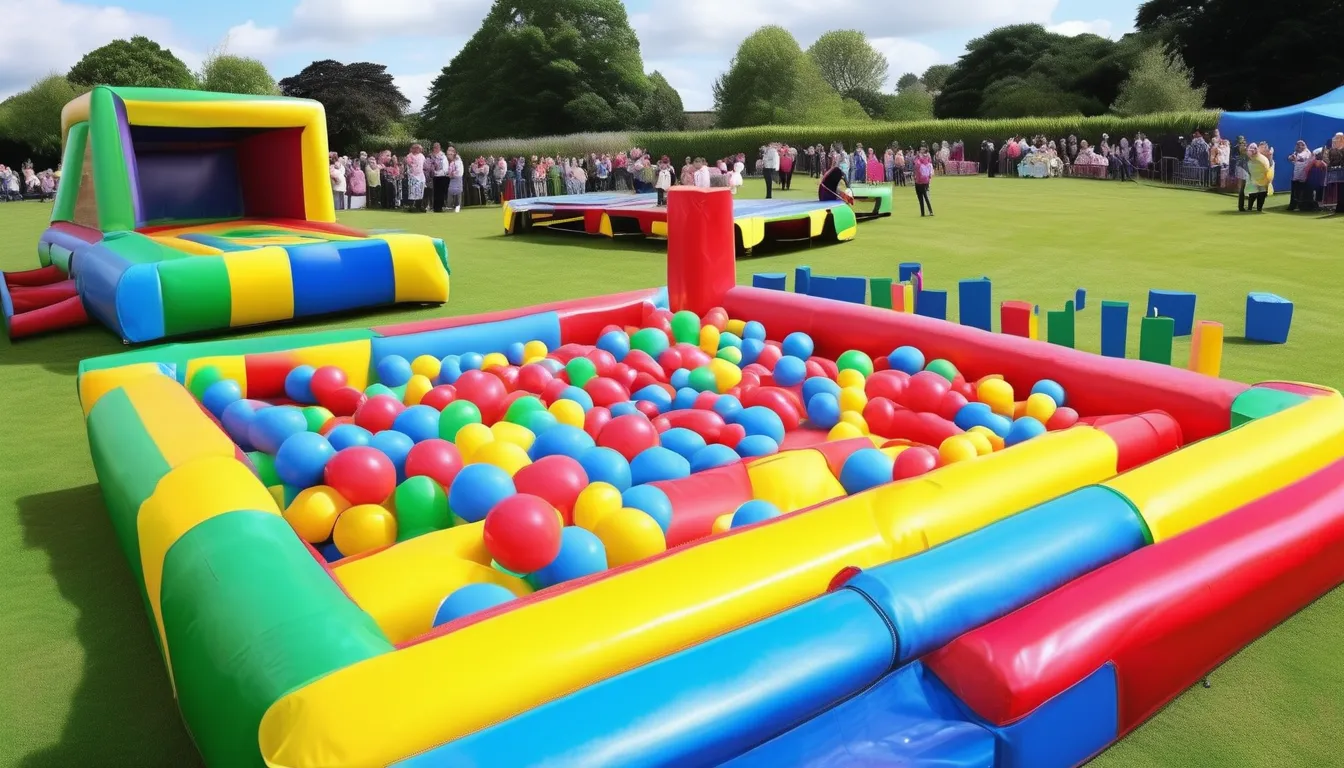
When you think of parties, what comes to mind? The same old gathering with friends, food, and drinks? Themed parties can change that. By choosing a theme that resonates with your guests and incorporating authentic details, you can create an immersive experience that transports everyone to a unique world. But, what makes a themed party truly unforgettable? It’s not just about putting up decorations and serving themed food – it’s about crafting an atmosphere that engages your guests and leaves a lasting impression. So, what are the key elements to creating a themed party that will leave your guests talking?
Planning a Themed Party
As you start planning a themed party, it’s essential to define the event’s core elements to ensure a cohesive and engaging experience for your guests.
You’ll want to consider the party’s purpose, the number of guests, and the preferred date and time. These details will help you create a solid foundation for your event.
Next, you’ll need to set a budget and decide on the venue.
Will you host the party at home, or rent a private space? Make sure to consider the costs of decorations, food, and entertainment when allocating your budget.
It’s also crucial to create a guest list and send out invitations well in advance.
Developing a timeline is also vital to ensure everything runs smoothly.
Create a schedule for setup, guest arrival, food serving, and entertainment.
Assign tasks to friends or family members to help with setup and supervision.
Choosing a Party Theme
Choosing a party theme can be a daunting task, but it’s also the most exciting part of the planning process. You have the freedom to choose from countless options, each with its unique charm and characteristics.
To start, think about the occasion you’re celebrating and the type of party you want to host. Is it a birthday, anniversary, or just a casual gathering? Consider the age group and interests of your guests. For kids, popular themes like superheroes, princesses, or cartoon characters are always a hit. For adults, you can opt hire ice rink more sophisticated themes like masquerade balls, murder mysteries, or decade-themed parties.
Make a list of your favorite themes and narrow it down to the top three. Think about the decorations, food, and activities that would fit each theme. Consider your budget and the resources you have available.
You can also draw inspiration from movies, books, or TV shows that you love. Ultimately, choose a theme that reflects your personality and style, and that will make your party a memorable one for your guests.
Creating Immersive Experiences
Immersive experiences are the lifeblood of a themed party. You want your guests to feel like they’ve stepped into a different world, one that’s carefully crafted to transport them to a unique and exciting environment.
To create this, you’ll need to think about the sights, sounds, and sensations that will bring your theme to life. Consider the lighting, decor, and special effects that will set the mood and create an atmosphere that’s consistent with your theme.
As you plan your immersive experience, think about how you can engage your guests’ senses. Use music and sound effects to create a rich and immersive soundtrack, and incorporate scents and aromas that fit with your theme.
You can also use interactive elements, such as games, challenges, and activities, to encourage your guests to participate and become a part of the experience. By carefully crafting every detail, you can create an immersive experience that will leave a lasting impression on your guests and make your themed party unforgettable.
Themed Food and Drinks
Authenticity is key when it comes to themed food and drinks. You want your guests to feel like they’re part of the theme, and the food and drinks play a huge role in that.
For example, if you’re hosting a Hawaiian luau, you’ll want to serve traditional Hawaiian dishes like kalua pig, poke bowls, and haupia. Don’t be afraid to get creative and try new recipes – your guests will appreciate the attention to detail.
Themed drinks can also elevate your party to the next level. Consider serving drinks that fit your theme, such as a “Butterbeer” for a Harry Potter party or a “Pan Galactic Gargle Blaster” for a sci-fi themed party.
You can also get creative with the names and presentation of your drinks – use fun glasses, garnishes, and labels to add to the theme.
When planning your themed food and drinks, don’t forget to consider your guests’ dietary restrictions and preferences. Make sure to have plenty of options for vegetarians, vegans, and gluten-free guests, and label your dishes clearly so everyone knows what they can and can’t eat.
Party Decorations and Props
You set the scene for a memorable themed party with carefully selected decorations and props. These visual elements help create an immersive atmosphere, drawing your guests into the world you’ve designed. When choosing decorations and props, consider the theme, color scheme, and overall aesthetic you want to achieve.
| Theme | Decorations and Props |
|---|---|
| Hollywood Glam | Red carpet, gold balloons, paparazzi cutouts |
| Outer Space | Glow-in-the-dark stars, planetary balloons, spaceship models |
| Tropical Island | Palm trees, floral arrangements, colorful tiki torches |
| Medieval Castle | Castle backdrops, suits of armor, medieval-style banners |
Choose decorations and props that are authentic to your theme, but also consider your budget and the space available. You can also get creative and make your own decorations, such as DIY photo booths or custom centerpieces. By carefully selecting decorations and props, you’ll create a cohesive and engaging atmosphere that will leave a lasting impression on your guests. With the right visuals, your themed party will be an unforgettable experience.
Conclusion
By following these steps, you’ll create an unforgettable themed party that’ll leave a lasting impression on your guests. With a well-planned theme, immersive experiences, and attention to detail, you’ll elevate your party to a whole new level. Your guests will rave about the themed food, decorations, and interactive elements that brought the theme to life. Get ready to throw the most epic celebration ever – it’s going to be a fun-filled night to remember.