


Bask in Productivity Crafting a Summer Office You Love

You might not realize it, but your summer office can significantly impact your productivity and overall well-being. By embracing natural light and incorporating elements that inspire you, you can transform your workspace into a place that fosters creativity and focus. Imagine choosing a color palette that energizes you, or adding comfortable furniture that invites productivity. But there’s more to it than just aesthetics—consider how the right environment can change your work dynamics entirely. What steps will you take to create your ideal summer workspace?
Embrace Natural Light
Soaking up natural light can significantly boost your summer office productivity. When you let sunlight stream in, you create an inviting and energizing workspace that enhances your mood and focus.
Position your desk near windows to maximize exposure, and consider removing heavy curtains that block the light.
You’ll find that natural light not only helps reduce eye strain but also elevates your overall well-being. This can lead to increased creativity and motivation throughout your workday.
To further embrace this, think about incorporating reflective surfaces, like mirrors or light-colored furniture, to amplify the effect of the sunlight in your office.
Additionally, being mindful of your workspace layout can help you enjoy the light more effectively. If possible, arrange your seating to face the windows, allowing you to soak in the ambiance as you work.
During breaks, step outside to enjoy the sun directly. This brief connection with nature can recharge your energy and refresh your perspective.
Choose a Summer Color Palette
After maximizing natural light in your workspace, consider how a summer color palette can further enhance your productivity and mood. Bright, vibrant colors can energize you, while softer shades help create a calming environment.
Start by incorporating colors that evoke the essence of summer. Think of sunny yellows, refreshing greens, and tranquil blues. These hues can stimulate creativity and focus.
You don’t have to overhaul your entire space; small touches can make a big impact. Add colorful artwork or prints that inspire you. Use desk accessories in your chosen palette, like pen holders or notebooks, to keep the theme cohesive.
If you’re feeling bold, consider a statement wall in a cheerful color, or even a fun accent chair.
Balance is key. Pair bright colors with neutral tones to avoid overwhelming your senses. Use whites, grays, or beiges as a backdrop to let your summer palette shine without becoming distracting.
Incorporate Com heavy duty waterproof gazebo with sides table Furniture
While you focus on enhancing your workspace with color, don’t overlook the importance of comfortable furniture. Having the right pieces can significantly boost your productivity and overall well-being.
When you’re comfortable, you can concentrate better and work more efficiently, leading to a more enjoyable summer office experience.
Here are some key items to consider:
- Ergonomic Chair: Invest in a chair that supports your back and promotes good posture. This can reduce fatigue during long hours of work.
- Spacious Desk: Choose a desk that gives you enough space to spread out your materials. A clutter-free surface can help clear your mind.
- Adjustable Accessories: Consider a sit-stand desk or adjustable monitor arms. These allow you to change your working position throughout the day.
- Soft Textiles: Incorporate cushions, throws, or even a cozy rug. They add comfort and warmth, making your workspace feel more inviting.
Add Greenery and Nature
Surrounded by greenery and nature, your summer office can become a refreshing oasis that enhances both your mood and productivity. Adding plants to your workspace not only brightens the environment but also boosts your creativity.
Consider incorporating a mix of small potted plants, like succulents or snake plants, which require minimal maintenance. They’ll bring life to your desk without overwhelming your space.
If you have the room, think about a larger statement plant, such as a fiddle leaf fig or a rubber plant. These can serve as focal points in your office, creating a vibrant atmosphere.
You might also want to try a vertical garden or hanging planters, which maximize space while making a unique design statement.
Don’t forget about the benefits of natural light. Position your desk near windows to take advantage of sunlight, which can improve your energy levels and focus.
If you can’t access natural light, consider using full-spectrum light bulbs that mimic sunlight, helping to create a warm and inviting ambiance.
Embracing greenery and nature in your office space can transform your work experience, making it more enjoyable and productive.
Create a Distraction-Free Zone
Creating a productive workspace isn’t just about adding greenery; it also involves minimizing distractions. To truly focus, you need to carve out a distraction-free zone that lets you dive into your tasks without interruptions. Here are some effective strategies to help you achieve that:
- Choose a dedicated workspace: Designate a specific area in your home or office solely for work. This physical separation signals your brain it’s time to focus.
- Limit digital distractions: Turn off notifications on your phone and computer. Use apps that block distracting websites during work hours.
- Establish boundaries: Communicate your work hours to family and friends, letting them know when you’re not to be disturbed.
- Declutter your space: Keep your desk tidy by removing unnecessary items. A clean workspace can help clear your mind and boost your concentration.
Conclusion
By embracing natural light, choosing a vibrant color palette, and incorporating comfortable furniture, you’ve set the stage for a productive summer office. Don’t forget to add some greenery to lift your spirits and create a refreshing atmosphere. And remember, establishing a distraction-free zone will keep you focused and motivated. With these elements combined, you’ll truly enjoy working in your summer office oasis, making each day feel bright and inspiring. Enjoy your newfound productivity!
Sunshine and Success A Summer Office Transformation Guide

As you consider ways to enhance your office this summer, think about how simple changes can elevate both productivity and morale. Natural light can trans 4m x 3m summerhouse m your workspace, while a splash of color might invigorate creativity. Integrating greenery not only beautifies but also purifies the air, fostering a healthier environment. Collaboration spaces and relaxation zones could further encourage a balanced atmosphere. Curious about how these elements work together to create a thriving office? Let’s explore the strategies that can lead to a summer of sunshine and success.
Embrace Natural Light
To create a vibrant summer workspace, embrace natural light by maximizing its presence in your office. Start by positioning your desk near windows, allowing sunlight to flood your space. This not only brightens the room but also boosts your mood and productivity.
If you’ve got heavy curtains, consider swapping them out for sheer options that let in more light without sacrificing privacy.
Next, declutter your windows. Remove any items obstructing natural light, like bulky furniture or plants. You’ll be amazed at how much brighter your workspace feels.
If your office lacks windows, try using mirrors to reflect light and create an illusion of openness.
Additionally, consider the color of your walls and furniture. Lighter colors can enhance the effect of natural light, making your space feel airy and fresh.
Lastly, take advantage of sunny days. Open your windows to let in fresh air and the warmth of the sun.
Don’t forget to step outside for a quick break—it’s a great way to recharge and soak in even more natural light.
Incorporate Vibrant Colors
Incorporating vibrant colors into your summer office can instantly energize your workspace and enhance creativity. A splash of color can uplift your mood and spark innovative ideas, making it essential for a productive environment.
Here are some ways to bring vibrant hues into your office:
- Accent Walls: Choose one wall to paint in a bold color like teal or sunny yellow. This focal point can draw the eye and inspire creativity.
- Colorful Decor: Add colorful artwork, cushions, or rugs to your space. These accessories can be easily swapped out as seasons change, keeping your office fresh.
- Stationery and Supplies: Opt for bright folders, pens, and notebooks. Surrounding yourself with stimulating colors can keep your energy levels high throughout the day.
- Plants with Color: Incorporate vibrant planters or pots for your plants. The combination of greenery and bright colors can create a lively atmosphere.
Enhance Greenery and Nature
Embracing greenery and nature in your summer office can significantly boost your well-being and productivity. Adding plants not only enhances the aesthetics but also improves air quality and reduces stress. You’ll feel more energized and focused when you’re surrounded by nature.
Here’s a quick guide to help you choose the right plants for your workspace:
| Plant Type | Benefits |
|---|---|
| Snake Plant | Low maintenance, purifies air |
| Pothos | Removes toxins, thrives in low light |
| Peace Lily | Beautiful flowers, humidifies air |
Incorporating these plants can create a calming environment. Consider placing them on your desk or in common areas. You might also want to create a small indoor garden or a dedicated green wall for a more immersive experience.
Additionally, think about adding nature-inspired artwork or using natural materials in your decor. The more you can integrate these elements, the more inviting and refreshing your office will feel. So go ahead, bring the outdoors in, and watch your workplace transform into a vibrant and inspiring space.
Redesign Workspaces for Collaboration
Transform your workspace to foster collaboration and innovation among team members. A well-designed office encourages communication and teamwork, making it easier for everyone to share ideas and work towards common goals.
Here’s how you can create a collaborative environment:
- Flexible Furniture: Invest in movable desks and chairs that can easily be rearranged for group projects. This adaptability allows for dynamic discussions and brainstorming sessions.
- Open Spaces: Create open areas free of barriers. These spaces invite spontaneous conversations and make it simple for team members to engage with one another.
- Tech Integration: Equip your workspace with technology that supports collaboration, like smart boards and video conferencing tools. This ensures everyone can participate, whether they’re in the office or working remotely.
- Inspiration Zones: Designate areas that spark creativity. Use vibrant colors, fun décor, and comfortable seating to encourage team members to gather and brainstorm.
Create Relaxation Zones
Creating relaxation zones is essential for promoting employee well-being and productivity. These spaces allow your team to recharge, reducing stress and boosting creativity. Start by designating a quiet area away from the hustle and bustle of the office. Equip it with comfortable seating, soft lighting, and calming decor.
Consider incorporating elements like greenery or soothing sounds to enhance relaxation. Below is a simple table outlining key features for effective relaxation zones:
| Feature | Description |
|---|---|
| Comfortable Seating | Use bean bags, lounge chairs, or hammocks to encourage relaxation. |
| Calming Atmosphere | Soft lighting and sound machines can create a tranquil environment. |
| Nature Elements | Incorporate plants or a small water feature to connect with nature. |
Encouraging your team to take breaks in these zones can lead to improved focus and collaboration. Make it a point to regularly remind them of these spaces and their benefits. By fostering a culture that values downtime, you’ll likely see increased morale and higher productivity levels throughout the summer months!
Conclusion
By embracing natural light, vibrant colors, and lush greenery, you can transform your office into a summer haven that boosts productivity and morale. Redesign your workspace for collaboration and create relaxation zones to recharge throughout the day. These simple adjustments will cultivate an environment that radiates sunshine and success, making work feel less like a chore and more like a refreshing experience. So go ahead, make these changes, and watch your summer office thrive!
The Tax Deduction Potential of Trading Card Vending Machines

When considering the potential tax advantages of trading card vending machines, you might be surprised by the numerous deductions available to business owners. From maintenance expenses to strategic placement decisions, these machines offer a unique opportunity to lower your taxable income. By exploring the tax benefits associated with trading card vending machines, you can uncover valuable insights into maximizing deductions and optimizing your financial position.
Tax Benefits of Trading Card Vending Machines
When considering the tax benefits of trading card vending machines, it's essential to understand how they can positively impact your financial situation. These machines offer a unique opportunity for tax advantages through deductions and operational expenses. By strategically placing these vending machines in high-traffic areas, you can maximize your profits and potential IOT自販機 benefits.
One key tax benefit of trading card vending machines is the ability to deduct business expenses related to their operation. This includes costs such as machine maintenance, restocking, and any fees associated with maintaining the machines. These deductions can help lower your taxable income, ultimately reducing the amount of taxes you owe.
Additionally, trading card vending machines can qualify for depreciation deductions. This means you can gradually deduct the cost of the machines over their useful life, providing ongoing tax benefits for years to come.
Depreciation Deduction Opportunities
Consider exploring the depreciation deduction opportunities available with trading card vending machines. Depreciation is a valuable tax benefit that allows you to deduct the cost of the vending machine over its useful life, rather than all at once. By spreading out the deduction over multiple years, you can lower your taxable income and potentially reduce your tax liability.
To take advantage of depreciation deductions, you must first determine the cost basis of the vending machine. This includes the purchase price, delivery and installation costs, and any other expenses directly related to acquiring the machine.
Next, you'll need to choose a depreciation method, such as straight-line or accelerated depreciation, based on IRS guidelines.
Tax Incentives for Business Equipment
You may be eligible for tax incentives when purchasing business equipment, giving you the opportunity to save money on your taxes. By taking advantage of equipment tax benefits and depreciation deductions, you can maximize your tax savings and improve your business's financial position. Understanding these tax incentives can help you make informed decisions when investing in equipment for your business.
Equipment Tax Benefits
Looking to maximize your tax benefits for business equipment? When it comes to equipment tax benefits, there are several ways you can take advantage of potential deductions. Here are some key points to consider:
- Section 179 Deduction: This allows you to deduct the full purchase price of qualifying equipment, up to a certain limit, in the year it was purchased.
- Bonus Depreciation: Offers businesses the ability to depreciate a significant percentage (usually 100%) of the cost of eligible assets in the year they're placed in service.
- Leasing Equipment: Lease payments are often fully deductible as a business expense, providing a way to benefit from equipment without the full purchase cost upfront.
- Energy-Efficient Equipment: Investing in energy-efficient equipment can qualify you for special tax incentives or rebates, promoting sustainability while reducing tax burdens.
Depreciation Deductions
Maximizing your tax benefits for business equipment involves understanding depreciation deductions. Depreciation deductions allow you to recover the cost of certain business assets over time through tax deductions. By spreading out the deduction over the useful life of the asset, you can lower your taxable income each year. This can lead to significant savings for your business.
To better grasp how depreciation deductions work, consider the following example showcasing different depreciation methods and their impact on tax deductions:
|
Depreciation Method |
Year 1 Deduction |
Year 2 Deduction |
Year 3 Deduction |
|---|---|---|---|
|
Straight-Line |
$5,000 |
$5,000 |
$5,000 |
|
Double-Declining-Balance |
$10,000 |
$6,000 |
$3,600 |
|
Sum-of-the-Years'-Digits |
$8,000 |
$4,800 |
$2,880 |
|
Units of Production |
Varies |
Varies |
Varies |
Understanding these methods can help you choose the most beneficial approach for your business equipment, maximizing your tax savings.
Maximizing Deductions With Vending Machines
When considering tax deductions for your business, it's essential to explore all potential avenues for maximizing savings. One often overlooked area where you can maximize deductions is through vending machines. Not only can vending machines provide a steady stream of income, but they can also offer various tax benefits. Here are some tips to help you make the most of your vending machine deductions:
- Maintenance Costs: Deduct expenses related to repairs, servicing, and upkeep of your vending machines.
- Inventory Expenses: Claim deductions for the cost of goods sold, including the trading cards inside the vending machines.
- Insurance Premiums: Don't forget to deduct the premiums you pay to insure your vending machines.
- Utilities and Rent: If you operate vending machines in a rented space, you may be able to deduct a portion of your rent and utility bills.
Reducing Taxable Income Strategically
Occasionally overlooked by business owners, strategically reducing your taxable income can lead to significant savings come tax season. One effective way to lower your taxable income is by maximizing your business expenses. This can be achieved by investing in items like trading card vending machines, which not only generate revenue but also offer opportunities for deductions. By carefully tracking and documenting all expenses related to your vending machines, you can reduce your taxable income while also enhancing your business operations.
Another strategy to consider is utilizing retirement plans and health savings accounts. Contributions to these accounts are often tax-deductible, providing a dual benefit of saving for the future while lowering your taxable income in the present.
Additionally, exploring tax credits and deductions specific to small businesses can further reduce your tax burden. By strategically managing your income and expenses, you can optimize your tax situation and keep more money in your pocket.
Financial Advantages for Business Owners
To fully grasp the financial advantages available to business owners, it's essential to understand the potential for increased profitability and tax savings that strategic financial decisions can bring. As a business owner, you can leverage trading card vending machines to not only generate additional revenue streams but also benefit from various financial perks. Here are some key advantages:
- Tax Deductions: Operating trading card vending machines can allow you to deduct expenses such as machine maintenance, restocking costs, and even a portion of your utilities.
- Increased Foot Traffic: Installing these machines can drive more customers to your establishment, potentially boosting overall sales and profitability.
- Low Overhead Costs: Compared to other ventures, trading card vending machines require minimal upkeep and have low operating costs, maximizing your profit margins.
- Diversification of Income: By incorporating vending machines into your business model, you can create diversified revenue sources, reducing dependency on any single income stream.
Frequently Asked Questions
Can Trading Card Vending Machines Be Considered a Business Expense?
Yes, trading card vending machines can be considered a business expense. They provide a potential source of revenue and can be deducted as a legitimate operating cost, helping you offset taxable income.
Are There Specific Tax Forms for Claiming Vending Machine Deductions?
Yes, there are specific tax forms for claiming vending machine deductions. You can find them easily on the IRS website. Remember to keep thorough records of your vending machine transactions to accurately claim your deductions.
How Does the IRS Determine the Depreciation Schedule for Vending Machines?
The IRS determines the depreciation schedule for vending machines based on their useful life. You'll need to consult IRS Publication 946 for guidelines. Generally, vending machines fall under the Modified Accelerated Cost Recovery System (MACRS) for depreciation.
Can Business Owners Claim Tax Credits for Using Vending Machines?
You can claim tax credits for using vending machines. Make sure to keep accurate records of your vending machine-related expenses to maximize your tax benefits. Consult with a tax professional for specific guidance.
Are There Limitations on the Amount of Deductions for Vending Machines?
You can deduct a portion of vending machine expenses, subject to IRS limits. Keep track of receipts and record maintenance costs. Consult a tax professional to ensure compliance and maximize your deductions.
Conclusion
Overall, trading card vending machines offer significant tax deduction potential for businesses. By taking advantage of depreciation deductions, tax incentives for business equipment, and strategic placement for maximum profits, owners can lower their taxable income and reduce their tax liability. With ongoing financial advantages, these machines are a valuable asset for businesses looking to maximize deductions and generate revenue.
The Client s Journey Engaging an Arizona Private Investigator

When you find yourself in need of clarity regarding a personal or business issue, engaging an Arizona private investigator can be a pivotal step. You’ll start by identifying your concerns, then sift through options to find a reliable professional who meets your needs. The initial consultation sets the stage for open communication, but what happens next can significantly impact your understanding of the situation. As the investigation progresses, you might be surprised by the revelations that unfold, leaving you to wonder how these insights could change your perspective on the matter at hand.
Understanding the Need for Investigation
When you find yourself in a situation that requires deeper insight, understanding the need for investigation becomes crucial. Whether you’re dealing with personal matters or business concerns, the right information can make all the difference. You might suspect infidelity, need to locate a missing person, or require background checks for potential employees. These scenarios often demand skills and resources beyond your reach.
Once you recognize the need for an investigation, it’s essential to identify the specific questions you want answered. This clarity will guide your approach and help you articulate your needs effectively.
You’ll also want to consider the urgency of the situation. Time-sensitive issues can escalate quickly, so addressing them promptly is vital.
Additionally, keep in mind that an investigation can uncover information you may not want to confront. Preparing yourself emotionally and mentally for potential revelations will set realistic expectations.
Ultimately, understanding the need for investigation empowers you. It enables you to take control of your circumstances, ensuring that you make informed decisions based on reliable evidence. This proactive mindset can lead to resolution and peace of mind.
Finding the Right Investigator
Once you’ve assessed the need for an investigation, the next step is finding the right investigator for your situation. Start by researching local private investigators in Arizona.
Look for those with experience relevant to your specific case, whether it’s infidelity, fraud, or background checks. Check their credentials and ensure they’re licensed and insured.
Don’t hesitate to read reviews or ask for recommendations from friends or colleagues who’ve used investigative services before. A reputable investigator should have a solid track record and positive client testimonials.
Once you’ve narrowed down your options, reach out to potential candidates to gauge their professionalism and approach.
Ask about their methodologies, tools, and the types of cases they specialize in. Pay attention to how they communicate; you want someone who listens to your concerns and provides clear answers.
It’s also wise to inquire about their fees and billing practices upfront, so there are no surprises later on.
Ultimately, trust your instincts. You need to feel comfortable and confident in your investigator’s ability to handle your case.
Finding the right fit can make all the difference in achieving the results you seek.
Initial Consultation Process
The initial consultation process is crucial for establishing a strong foundation with your chosen private investigator. During this meeting, you’ll discuss your specific needs, concerns, and the details surrounding your case. It’s your chance to clarify what you hope to achieve and to gauge whether the investigator is a good fit for you.
Before the consultation, gather any relevant information or documents that could aid your discussion. This preparation helps ensure you cover all necessary points and maximizes the effectiveness of your time together.
When you meet, be open and honest about your situation; this transparency allows the investigator to provide you with accurate advice and realistic expectations.
Ask questions during this meeting to understand their approach and experience with similar cases. You should also inquire about their fees, timelines, and what you can expect throughout the process.
Conducting the Investigation
Conducting the investigation involves a systematic approach tailored to your unique case. Your private investigator will focus on gathering relevant evidence while ensuring your goals remain in sight. Here’s how they typically proceed:
- In private investigators in arizona mation Gathering: They’ll start by collecting all available data related to your case, including documents, photographs, and any relevant digital footprints.
- Surveillance: Depending on the nature of the investigation, they might conduct surveillance to observe behaviors and gather real-time evidence.
- Interviews: Your investigator may reach out to witnesses or individuals who could provide valuable information, ensuring to maintain confidentiality when necessary.
- Analysis: Once all evidence is gathered, they’ll analyze the findings meticulously to connect the dots and draw meaningful conclusions.
Throughout this process, communication is key. You should stay in touch with your investigator, discussing any new developments or insights.
By keeping you informed, they ensure that you feel engaged and supported in your investigation. Remember, each case is distinct, and your investigator’s strategies will be customized to meet your specific needs.
This approach helps build a clearer picture of the situation you’re facing.
Reviewing the Final Report
Receiving the final report from your private investigator can feel like unwrapping a gift – it holds the answers and insights you’ve been waiting for. As you dive into the report, take your time to read through each section carefully. You’ll find detailed observations, photographs, and any relevant documentation that backs up the findings.
Start by focusing on the executive summary, which provides a concise overview of the case. This section offers clarity on the main conclusions drawn from the investigation.
Next, examine the evidence presented. Make notes on anything that stands out or raises questions.
It’s crucial to understand the context of each piece of evidence. Your investigator’s commentary will help you interpret the findings effectively. If something doesn’t make sense, don’t hesitate to reach out for clarification.
Ultimately, this report is a powerful tool for making informed decisions moving forward. Whether it’s resolving a personal matter or pursuing legal action, the insights provided can guide your next steps.
Conclusion
Engaging an Arizona private investigator can be a transformative step in uncovering the truth you need. By understanding your reasons for seeking help, finding the right investigator, and actively participating in the process, you empower yourself to make informed decisions. The journey doesn’t end with the investigation; reviewing the final report allows you to fully grasp the findings and take action. Trust in the process, and you’ll gain the clarity you’ve been seeking.
Scent imental Journeys Stories Behind Our Fragrances
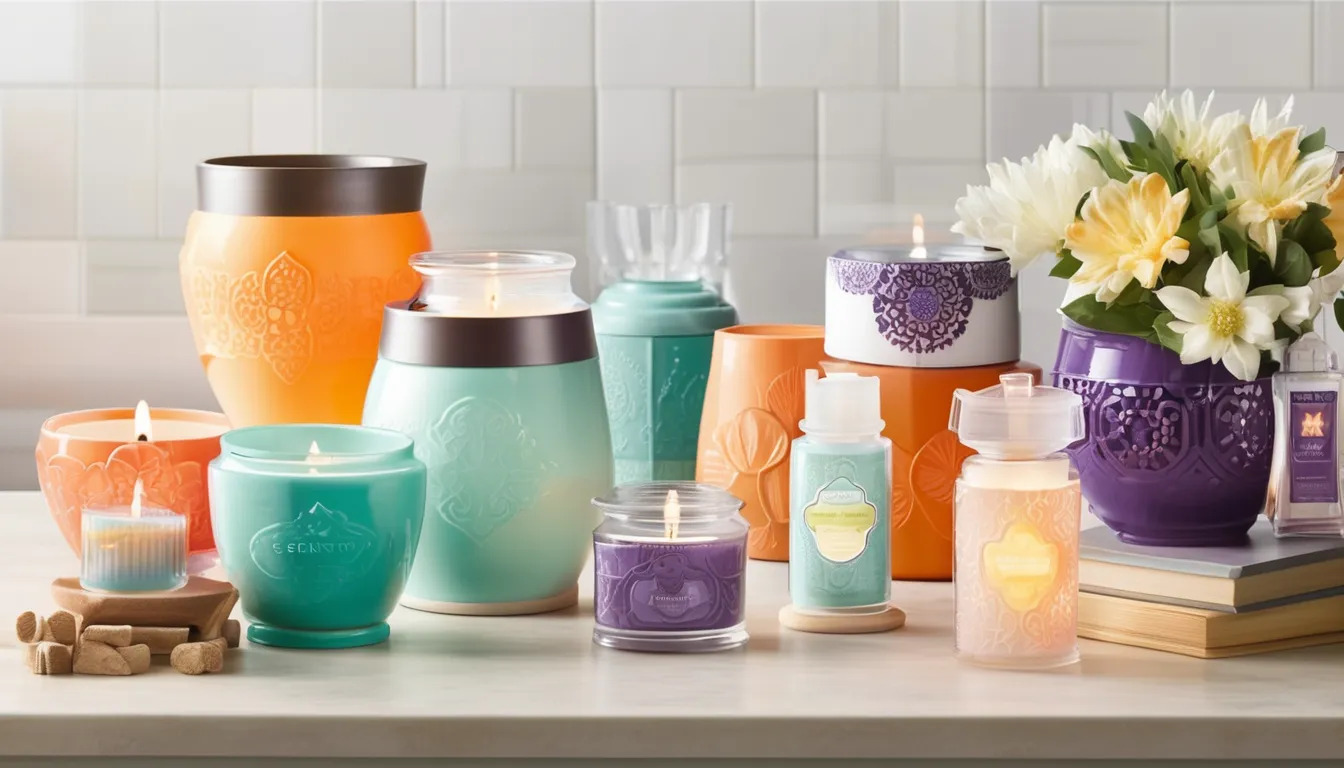
Think about the last time a fragrance caught your attention; did it remind you of a special moment or person? Each scent you encounter carries a story, weaving together memories and emotions that shape your identity. As you explore the intricate relationship between scent and experience, you’ll uncover how these aromas not only influence your mood but also connect you to your past. What if the scents you choose to wear could unlock deeper layers of your own narrative? The journey into these fragrant tales might just reveal more than you expect.
The Power of Scent
As you walk through a bustling market, the aroma of fresh spices and blooming flowers surrounds you, demonstrating the undeniable power of scent. Each whiff transports you, evoking memories and emotions you thought were long forgotten. The smell of cinnamon might remind you of your grandmother’s kitchen, where she baked cookies on rainy days. Scents can trigger vivid recollections, connecting you to people and places in ways words often can’t.
You’ve probably noticed how certain fragrances can alter your mood. A whiff of citrus might energize you, while lavender can bring a sense of calm. This ability to influence feelings is why scent plays a crucial role in our daily lives. When you enter a room filled with fresh flowers or baked goods, it instantly shifts the atmosphere, creating a welcoming environment.
Moreover, scent is deeply tied to identity. The fragrance you choose can communicate who you’re without saying a word. It can embody confidence, warmth, or nostalgia, leaving a lasting impression on those around you.
Personal Fragrance Stories
Wrapped in the familiar scent of jasmine, you find yourself transported back to a sun-soaked summer evening spent in a friend’s garden. The laughter of friends mingles with the sweet fragrance, creating a memory that lingers.
You remember how the warm breeze carried whispers of secrets shared and dreams sparked under a canopy of stars.
Now, every time you catch a whiff of jasmine, it pulls you back to that moment, reminding you of carefree days filled with joy.
Perhaps it was the scent of your grandmother’s lavender that made you feel safe as a child, wrapping you in com plug in oil burners t during stormy nights.
Or maybe it was the crisp aroma of fresh pine that evokes memories of family camping trips, where stories were told around the crackling fire.
These scents shape your narrative, woven into the fabric of your life.
They remind you of love, loss, and the moments that define you.
Each fragrance tells a story, a personal journey through time.
Historical Significance of Scents
How have scents shaped human history? You might be surprised to learn just how influential fragrances have been over the centuries. From ancient rituals to modern commerce, scents have played a pivotal role in human experiences.
They’ve not only marked significant events but also shaped cultures and economies. Here are a few highlights:
- Spiritual Practices: Incense was often burned in temples, symbolizing the connection between the earthly and divine.
- Trade and Economy: The spice trade drove exploration, linking continents and fostering cultural exchanges.
- Social Status: Fragrances became symbols of wealth and power, used by royalty to distinguish themselves.
- Medicinal Uses: Many early civilizations believed in the healing properties of certain scents, integrating them into their medicine.
As you delve deeper into the past, you’ll see that scents were much more than mere luxuries; they were essential to survival and expression.
Each whiff tells a story, connecting you to those who walked the earth long before you. By understanding the historical significance of scents, you can appreciate the layers of meaning they carry today.
Nature’s Influence on Fragrance
While nature provides an endless palette of scents, its influence on fragrance creation goes far beyond mere ingredients. The beauty of a fragrant bloom or the fresh scent of rain can spark inspiration. When you step outside, inhaling the crisp air, you might find that nature evokes emotions and memories, shaping the way you perceive fragrances.
Consider the earthy aroma of a forest or the salty breeze from the ocean; these scents offer a visceral connection to the world around you. Fragrance creators often draw from these experiences, translating the essence of nature into bottle form. They capture the uplifting spirit of citrus groves, the tranquility of lavender fields, or the warmth of sun-baked earth.
In addition, the seasonal shifts in nature influence fragrance trends. You might notice how spring brings light, floral scents, while autumn leans toward deeper, warmer notes. By observing the natural world, perfumers align their creations with the rhythms of life, allowing you to experience nature in a new way.
Ultimately, nature’s influence on fragrance is both a source of creativity and a bridge to evoke feelings, memories, and sensations that resonate deeply within you.
Crafting Memories Through Aromas
Have you ever caught a whiff of a familiar scent and instantly been transported back to a cherished memory? Aromas have an incredible power to evoke emotions and recall moments that shape our lives. Each fragrance tells a story, connecting you to experiences that might otherwise fade.
Think about the scents that have marked your life. They might include:
- The warm, sweet scent of vanilla reminding you of baking with a loved one.
- The crisp smell of fresh pine transporting you to family camping trips.
- The salty breeze of the ocean recalling summer vacations spent by the shore.
- The comforting aroma of coffee that brings back late-night conversations with friends.
These olfactory triggers create vivid mental snapshots, allowing you to relive those moments in an instant.
When you wear a fragrance that resonates with your past, you’re not just putting on a scent; you’re embracing a piece of your history.
Conclusion
As you reflect on the scents that shape your life, remember how each fragrance tells a story uniquely yours. Whether it’s the comforting notes of lavender or the vibrant burst of jasmine, these aromas weave through your memories, connecting you to moments of joy and nostalgia. Embrace the power of scent to craft new memories, allowing each whiff to transport you to cherished times, reminding you of who you are and the journey you’ve taken.