


Building a Brand Voice Consistency That Attracts Followers

When you’re building a brand voice, consistency is key to attracting and retaining followers. You need to define your brand personality and ensure that your tone aligns across various platforms. This cohesive approach not only fosters recognition but also builds trust with your audience. As you craft your message, you’ll want to consider how every interaction reflects your core values. However, the challenge lies in measuring the impact of your voice and adjusting as necessary. What strategies can you implement to ensure your voice resonates effectively with your audience?
Understanding Brand Voice
Understanding brand voice is crucial for creating a consistent and relatable identity. It’s the unique way your brand communicates with its audience, shaping perceptions and building trust. When you establish a clear brand voice, you enable your audience to connect with your message emotionally. This connection can foster loyalty and encourage engagement.
To create your brand voice, start by identifying your core values and mission. Ask yourself what you want your audience to feel when they interact with your brand. This will guide your tone, language, and style. Whether you choose a friendly, professional, or quirky voice, consistency is key. Your audience should recognize your brand’s voice across all platforms and touchpoints.
Next, consider your target audience. What language resonates with them? Tailoring your voice to their preferences helps ensure your message lands effectively. Use the same vocabulary, sentence structure, and tone in your marketing materials, social media posts, and customer interactions.
Regularly review and refine your brand voice as your business evolves. By staying true to your established voice while adapting to changes, you’ll maintain a strong connection with your audience and reinforce your brand identity.
Defining Your Brand Personality
Defining your brand personality is essential for creating a memorable and relatable identity. It’s how your audience perceives you and connects emotionally. To start, think about the traits you want to embody. Are you fun and quirky, or serious and professional?
Consider what resonates with your target audience and aligns with your values.
Next, create a character profile for your brand. Imagine it as a person: What’re their interests, values, and motivations? This will help you communicate more authentically.
You’ll want to consider how this personality translates into every aspect of your brand—think visuals, messaging, and customer interactions.
Don’t forget about consistency. If your brand personality is adventurous, your content should reflect that through bold visuals and exciting stories.
If it’s nurturing, focus on supportive messaging and community-building.
Crafting a Consistent Tone
Establishing a consistent tone is crucial for reinforcing your brand’s personality across all communications. When you craft a tone that aligns with your brand’s values and personality, you create an emotional connection with your audience. This connection encourages trust, loyalty, and engagement.
Start by identifying your brand’s core attributes. Are you playful, professional, or authoritative? Once you have this clarity, tailor your language, sentence structure, and even punctuation accordingly. For example, if your brand is friendly and approachable, use casual language and contractions. If it’s more formal, opt for a more sophisticated vocabulary.
Next, create a tone guide. This document should outline your tone and provide examples to ensure everyone on your team understands how to communicate consistently. Encourage feedback and adjustments, as your tone may evolve over time.
Always consider your audience. Pay attention to their preferences and adapt your tone to resonate with them. Regularly review your content to ensure it maintains that consistent tone, whether you’re drafting social media posts, emails, or website copy.
This consistency will help you stand out and attract followers who identify with your brand.
Integrating Voice Across Platforms
Integrating your brand voice across multiple platforms is essential for creating a seamless experience for your audience. When your messaging aligns, it builds trust and recognition, making it easier for your followers to connect with you.
Start by identifying the core elements of your voice—tone, language style, and key messages—and apply them consistently, whether you’re posting on social media, writing blog articles, or sending newsletters.
Consider how each platform has its own nuances. For instance, your Instagram posts might be more casual and visual, while your LinkedIn articles could require a more professional tone. Even with these differences, maintain the same underlying voice to ensure coherence.
Engage with your audience in a way that feels natural for each platform, but always return to your brand’s essence. Use similar phrases, themes, and visuals across channels to reinforce your identity.
Don’t forget to adapt your voice based on audience feedback. Pay attention to how your followers respond and be ready to refine your approach while keeping the core voice intact.
This flexibility will help you remain relatable and engaging, no matter where your audience finds you.
Measuring Your Brand Voice Impact
To truly gauge the effectiveness of your brand voice, you need to break down the metrics that matter. Start by analyzing engagement rates across your social media platforms. Likes, shares, and comments can reveal how well your audience connects with your tone and messaging.
Look at the sentiment analysis of comments and messages; positive feedback indicates that your voice resonates, while negative responses may highlight areas for improvement.
Next, track your brand’s reach and growth. Are your follower numbers increasing? If so, that’s a good sign your brand voice is attracting attention.
You should also monitor website traffic and conversion rates. A consistent voice can lead to higher trust levels, resulting in more visitors taking action on your site.
Lastly, conduct surveys or gather feedback directly from your audience. Ask them how they perceive your brand voice and whether it aligns with their expectations.
This qualitative data can offer immense insight into how effectively your message is landing. By regularly measuring these metrics, you’ll refine and strengthen your brand voice, ensuring it remains impactful and engaging over time.
Conclusion
In building your brand voice, consistency is key to attracting and retaining followers. By defining your personality and crafting a relatable tone, you create a recognizable identity that resonates with your audience. Make sure you integrate this voice across all platforms to reinforce your message. Don’t ฟอลไอจี get to measure engagement and gather feedback regularly, so you can refine your approach. With dedication, you’ll cultivate a loyal community that truly connects with your brand.
Before and After Stunning Carpet Transformations

Imagine stepping into a room that feels completely transformed just by changing the carpet. You might not realize how much the right color, texture, or pattern can impact your space until you witness the difference firsthand. Whether it’s brightening a dim area or adding warmth to a cold corner, these carpet transformations can elevate your home’s overall atmosphere. But what specific choices truly make the most significant impact? You’ll want to explore the various options available and see how they can redefine your living spaces.
Impact of Carpet Color
When choosing a carpet color, its impact on your space can’t be overstated. The color of your carpet sets the tone for the entire room, influencing mood and perception. Lighter colors can create an airy, spacious feel, making small rooms seem larger and more inviting.
If you’re aiming for a cozy atmosphere, deeper hues like rich browns or vibrant reds can bring warmth and intimacy.
You should also consider how the carpet color interacts with your existing furniture and decor. A neutral carpet can serve as a versatile backdrop, allowing your furniture and accessories to stand out.
Conversely, a bold or dark carpet can become a statement piece, drawing attention and prompting conversation.
Think about the natural light in your space too. Rooms with ample sunlight can handle darker colors without feeling heavy, while dimly lit areas may benefit from lighter options to brighten things up.
Remember, your choice should reflect your personal style and the functionality of the space.
Ultimately, the right carpet color not only enhances your home’s aesthetic but also improves the overall ambiance, making every corner feel just right.
Textures and Patterns
Choosing the right carpet isn’t just about color; textures and patterns play a significant role in defining your space. They can create an inviting atmosphere or add a touch of elegance. By selecting the right texture, you can enhance comfort underfoot, while patterns can set the tone for your room’s style.
Here’s a quick overview of how different textures and patterns can impact your space:
| Texture | Effect |
|---|---|
| Plush | Creates a soft, luxurious feel |
| Berber | Durable and ideal for high traffic |
| Shag | Adds warmth and retro charm |
| Frieze | Offers a casual, informal vibe |
Incorporating patterns can also make a statement. Geometric designs can modernize a room, while floral patterns can add a touch of whimsy. Don’t shy away from mixing textures and patterns—just ensure they complement each other.
Space Utilization Strategies
Effective space utilization can transform any room into a functional and aesthetically pleasing environment. Start by assessing your space and identifying areas that feel cramped or underused. Consider multi-functional furniture, like ottomans with storage or a sofa bed, to maximize usability without sacrificing style.
Next, think vertically. Utilize wall space with shelves or hooks for decor and organization, freeing up floor space for movement. In smaller rooms, mirrors can create an illusion of depth, making the area feel larger.
Don’t forget about layout. Arrange furniture to enhance flow; avoid blocking pathways. Create zones for different activities, like reading or working, to keep the space organized and inviting.
If you’re working with carpets, choose designs that complement your layout and color scheme. Light-colored carpets can make a small room feel airy, while darker shades can add warmth and coziness.
Lastly, be mindful of decluttering. Remove items that don’t serve a purpose, allowing your space to breathe.
Before-and-After Case Studies
Transforming a space can be truly rewarding, especially when you see the dramatic differences in before-and-after case studies.
Take a look at the living room of a recent client who felt their space was outdated and dull. Before the transformation, the carpet was worn, faded, and didn’t complement the room’s colors. After choosing a vibrant, modern rug, the entire atmosphere shifted. The new carpet not only brightened the space but also added a cozy feel that invited relaxation.
In another case, a busy family wanted to lighten their basement. Initially, the dark, heavy carpet made the area feel cramped. By replacing it with a lighter, textured carpet, you could instantly see the transformation. The once gloomy basement now felt open and welcoming, perfect for family gatherings.
These case studies highlight how choosing the right carpet can dramatically change your space’s look and feel.
Whether you’re aiming for a cozy nook or a vibrant gathering spot, the right carpet can make all the difference. You’ll find inspiration in these transformations, encouraging you to envision your own space’s potential.
Tips for Choosing New Carpets
When selecting new carpets, consider your lifestyle and the overall aesthetic you want to achieve. The right carpet can elevate your space and provide comfort, but it’s essential to match it with your daily needs.
Here are some tips to help you make the best choice:
- Durability: Choose materials that can withstand heavy foot traffic if you have kids or pets.
- Maintenance: Consider how much time you’re willing to invest in Teppichreinigung in der Schweiz and upkeep. Some carpets require more care than others.
- Color and Texture: Think about the mood you want to create. Lighter colors can make a space feel larger, while darker hues add warmth.
- Budget: Set a budget before you start shopping to avoid overspending. Quality carpets come at various price points.
- Sample Testing: Always take home samples to see how the carpet looks in your space and under different lighting.
Conclusion
Incorporating new carpets can truly transform your space, turning dull areas into vibrant, inviting environments. By considering color, texture, and patterns, you can enhance both the aesthetics and functionality of your rooms. Remember the before-and-after case studies that highlight the difference a thoughtful carpet choice can make. So, whether you’re looking to brighten up a basement or add comfort to your living room, take these tips to heart and start envisioning your own stunning transformation!
Beyond Aesthetics The Emotional Impact of Plastic Surgery

When you think about plastic surgery, it’s easy to focus on the physical changes, but have you considered the emotional transformations that often accompany these procedures? For many, these changes can lead to a newfound sense of confidence and a shift in identity, dramatically altering how they interact with the world. Yet, this journey isn’t without its pitfalls; emotional challenges can arise that complicate the experience. What happens when the quest for perfection reveals deeper insecurities? Exploring these dimensions can shed light on the complexities of such a significant decision.
Understanding Motivations for Surgery
Many people seek plastic surgery for various reasons, and understanding those motivations can provide insight into the emotional impact of the procedure. You might be considering surgery to enhance your appearance, boost your confidence, or address a specific concern that’s been bothering you for years.
Perhaps you want to feel more comfortable in your own skin or align your outer self with how you feel inside. Your motivations could also stem from social pressures or comparisons with others. You might feel that societal standards of beauty are influencing your self-esteem, pushing you to make changes.
Alternatively, a life event, such as pregnancy or significant weight loss, could inspire you to reclaim your body. Whatever your reasons, it’s essential to reflect on them deeply. Are you seeking surgery to genuinely improve your well-being, or are you trying to please others?
Understanding your true motivations will help you manage expectations and navigate the emotional journey ahead. It’s not just about the physical changes; it’s about how these changes can reshape your self-image and emotional landscape. Knowing your why can make all the difference in your personal transformation.
Psychological Benefits of Transformation
Transformation through plastic surgery can lead to profound psychological benefits that extend far beyond physical appearance. You might find that enhancing your features can significantly boost your self-esteem. When you feel confident in your appearance, you’re more likely to engage socially and pursue opportunities that align with your true self.
Many individuals report feeling a renewed sense of identity following their transformation. You may discover that aligning your external appearance with your internal self-image brings a sense of harmony, reducing feelings of anxiety or self-doubt. This newfound alignment can empower you to express yourself more freely and authentically.
Additionally, the act of taking control over your body can foster a sense of agency. You’re actively making choices that prioritize your happiness, which can enhance your overall mental well-being. Some people experience an increased motivation to maintain a healthier lifestyle post-surgery, leading to better physical health and emotional resilience.
In essence, the psychological benefits of transformation through plastic surgery can create a ripple effect in your life. By embracing your new appearance, you might find a greater capacity for joy, self-acceptance, and personal growth.
Potential Emotional Risks
While the psychological benefits of plastic surgery can be significant, it’s important to recognize that there are potential emotional risks involved as well. You might find that after undergoing a procedure, your expectations don’t align with reality, leading to feelings of disappointment or dissatisfaction. This disconnect can cause emotional distress, making it crucial to approach the decision with a clear mindset.
Here are three potential emotional risks you should consider:
- Body Dysmorphic Disorder (BDD): Some individuals may develop an unhealthy obsession with perceived flaws, which can lead to repeated surgeries, fostering a cycle of dissatisfaction.
- Regret and Anxiety: After surgery, you might experience regret about your decision or anxiety about how others perceive your changes. These feelings can be overwhelming and may persist long after the healing process.
- Isolation: If friends or family don’t support your decision, you may feel isolated or misunderstood, which can heighten feelings of loneliness and sadness.
Understanding these risks is vital. By being aware of them, you can better prepare for the emotional journey that often accompanies plastic surgery.
Personal Stories of Change
Plastic surgery can be a turning point for those seeking a change in their lives, often leading to profound personal stories that inspire others.
You might find someone who’s struggled with self-esteem issues since childhood. After years of feeling uncomfortable in their own skin, they decide to undergo a procedure that transforms not just their appearance but their entire outlook on life. Suddenly, they radiate confidence, engaging more fully with friends and family.
Another story could involve a person who, after a significant weight loss journey, feels disheartened by excess skin that remains. They choose surgery to remove it, and in doing so, they reclaim their body and sense of self. You can see the joy in their eyes as they embrace new activities, exploring life in ways they never thought possible.
Each story is unique, showcasing the emotional journey that accompanies physical transformation.
You might be surprised to learn how these changes ripple into every aspect of life, affecting relationships, work, and personal happiness. These narratives remind us that plastic surgery can be more than skin deep; it often unlocks a deeper sense of identity and fulfillment.
Support Systems and Resources
Many people underestimate the importance of support systems when considering plastic surgery. Having a solid support network can make a huge difference in your emotional journey, helping you navigate the ups and downs that come with the process.
Whether it’s friends, family, or support groups, these resources can provide comfort and reassurance.
Here are three essential support systems to consider:
- Family and Friends: Surround yourself with loved ones who can offer encouragement and understanding. They can help you express your feelings and ease any anxiety you may experience.
- Professional Counseling: A therapist specializing in body image and self-esteem can help you explore your motivations Dental Implants in Turkey surgery. They can also provide strategies to cope with any emotional challenges that arise post-surgery.
- Support Groups: Joining a group of individuals who’ve undergone similar procedures can foster a sense of community. Sharing experiences can help you feel less alone and gain valuable insights about emotional recovery.
Conclusion
In exploring the emotional impact of plastic surgery, you discover it’s more than just a physical change. While you may experience a boost in self-esteem and a renewed sense of identity, it’s essential to stay aware of potential emotional risks. By building a strong support system and engaging in self-reflection, you can navigate this journey with confidence. Ultimately, embracing both the highs and lows can lead to a more empowered and fulfilling life.
Whispers of Nature The Language of Flowers

You might not realize how much power lies in a simple bouquet, but each flower carries its own message, waiting for you to uncover it. From the passionate allure of roses to the understated elegance of daisies, the meanings behind these blooms can transform your interactions. Imagine conveying a sentiment without saying a word—it’s an art that connects us on a deeper level. What if you could elevate your communication simply by choosing the right flower? Let’s explore the subtle yet profound language that nature offers.
The Symbolism of Flowers
Flowers have long held a special place in human culture, with many people unaware of the deep symbolism behind each bloom. Each flower you encounter carries its own message, influencing how you perceive and communicate feelings. For instance, roses often represent love and passion, while lilies can symbolize purity and renewal. You might find that a simple bouquet can express emotions more eloquently than words.
Consider how a bright sunflower, with its cheerful appearance, can evoke feelings of happiness and warmth. In contrast, a delicate violet might remind you of modesty and simplicity. When you choose flowers for a special occasion, it’s essential to understand their meanings, as this can enhance your message. Whether you’re celebrating, apologizing, or conveying gratitude, the right flower can add depth to your intention.
As you explore the world of blooms, you’ll discover that their symbolism transcends cultures and time periods. This rich tapestry of meanings allows you to connect on a deeper level, making your interactions more meaningful.
Embrace this floral language, and let the flowers speak for you, transforming your relationships and experiences into heartfelt exchanges.
Flowers and Their Meanings
Understanding the meanings behind different blooms can truly enhance your gifting experience. When you choose flowers, it’s not just about their beauty; it’s about the message they convey.
Each type of flower holds its own significance, allowing you to express feelings and sentiments in a unique way.
Here are some common flowers and their meanings:
- Roses: Love and passion; each color has its own message.
- Lilies: Purity and refined beauty; often symbolize motherhood.
- Sunflowers: Adoration and loyalty; they bring warmth and positivity.
- Daisies: Innocence and new beginnings; perfect for celebrating milestones.
- Carnations: Fascination and admiration; great for expressing gratitude.
Cultural Significance of Floral Language
The meanings behind flowers aren’t just personal; they vary widely across cultures, adding layers of significance to floral gifts. In many Eastern cultures, for example, the lotus symbolizes purity and enlightenment, making it a revered flower in spiritual practices.
Meanwhile, in Western cultures, red roses are typically associated with love and passion, often given on romantic occasions.
When you give flowers, you’re not just sharing beauty; you’re conveying messages shaped by cultural beliefs. In Japan, the art of flower arrangement, or Ikebana, emphasizes harmony and balance, reflecting deeper philosophical ideas.
Conversely, in some Middle Eastern cultures, the azalea might signify fragility and caution, leading to thoughtful selection in gifting.
You’ll also find that certain flowers can carry negative connotations in different regions. For instance, chrysanthemums are often associated with funerals in some cultures but symbolize life and rebirth in others.
Understanding these cultural nuances can enhance your communication and connection through floral gifts. By choosing the right flower for the right occasion, you foster deeper relationships and show respect for the recipient’s cultural background.
Common Flowers and Their Messages
When you choose a flower, you’re often selecting a message as much as you’re a gift. Each flower carries its own significance, allowing you to express feelings that words sometimes can’t capture. Understanding these meanings can enhance your connections with others and convey your sentiments beautifully.
Here are some common flowers and their messages:
- Roses: Love and romance, with colors signifying different emotions.
- Lilies: Purity and refined beauty, often used in celebrations and memorials.
- Tulips: Perfect love, making them a popular choice for spring occasions.
- Sunflowers: Adoration and loyalty, brightening anyone’s day with their cheerful presence.
- Daisies: Innocence and new beginnings, symbolizing purity and simplicity.
Choosing the right flower can deepen your message, whether you’re celebrating a milestone or offering comfort.
The next time you select a bouquet, think about the emotions you wish to convey. With flowers, you can share your heart in a way that resonates deeply and leaves a lasting impression.
Embrace the language of flowers, and let your choices speak volumes.
How to Use Floral Language
Using the language of flowers can trans Toko Bunga m your communication, adding depth and emotion to your gestures. To effectively use this floral language, start by choosing the right flowers that convey your intended message. For example, red roses symbolize love, while yellow daffodils represent new beginnings. Knowing these meanings allows you to express feelings without words.
Next, consider the arrangement and presentation. A simple bouquet can say “thank you,” while an elaborate display might convey romance or admiration. Pay attention to the colors, as they also carry significance. Bright colors can evoke joy, while softer hues often express tenderness.
Timing matters too. Handing someone flowers on a special occasion, like a birthday or anniversary, strengthens your message.
You can also use floral language in written communication; include a flower’s meaning in a card to emphasize your sentiment.
Conclusion
By embracing the language of flowers, you can transform your interactions and deepen your connections. Whether you’re expressing love with a red rose or celebrating innocence with a daisy, each bloom carries a heartfelt message waiting to be shared. So, next time you choose flowers, remember their meanings and let them speak for you. With a simple bouquet, you can convey emotions that words sometimes can’t capture, enriching your relationships in beautiful ways.
Finding the Right Fit The Benefits of Using an Event Recruitment Agency
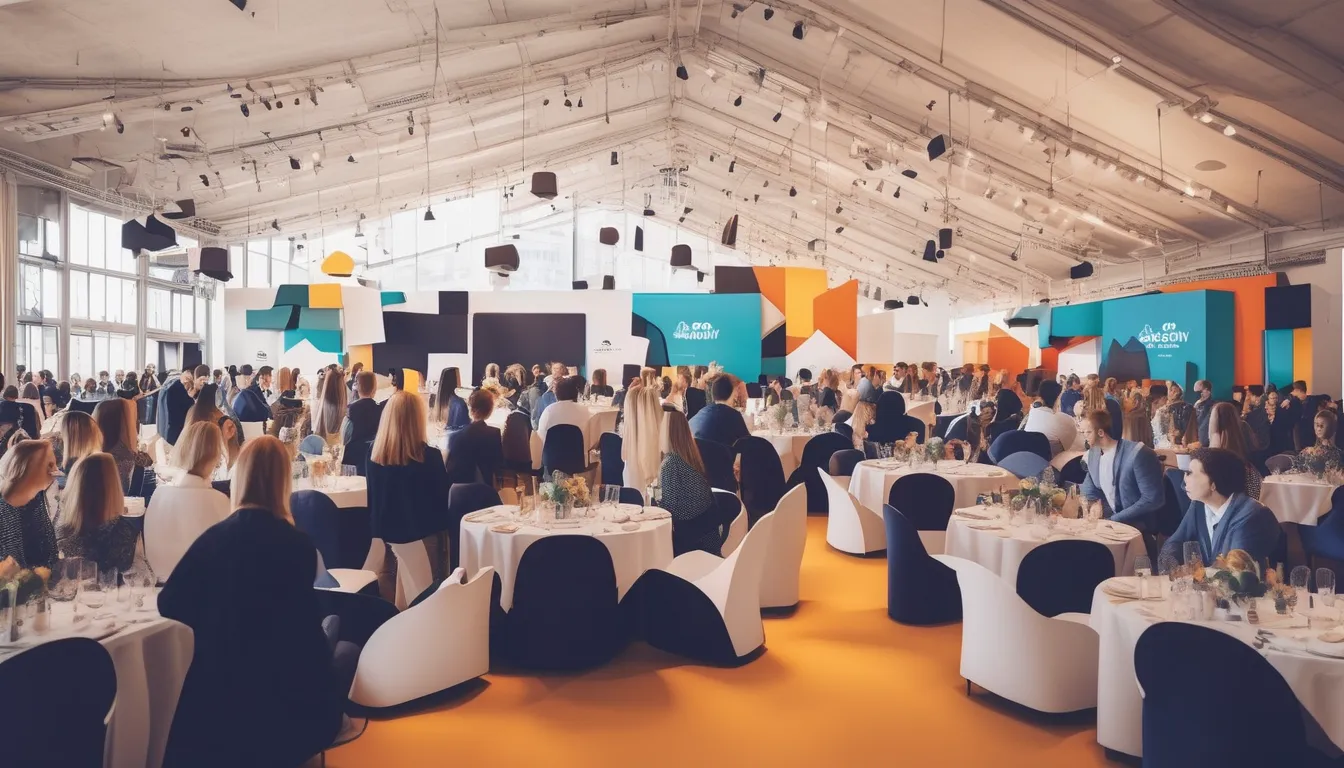
When you’re tasked with organizing an event, finding the right staffing can feel overwhelming. You might wonder how to effectively sift through potential candidates while ensuring they align with your vision. This is where an event recruitment agency can make a significant difference. By tapping into their specialized industry knowledge and extensive networks, you can streamline your hiring process. But what specific advantages do these agencies offer that could transform your event experience? Let’s explore the key benefits that could change how you approach staffing for your next event.
Specialized Industry Knowledge
When you partner with an event recruitment agency, you tap into a wealth of specialized industry knowledge that can elevate your event planning. These agencies have their fingers on the pulse of the latest trends, best practices, and emerging talents within the event industry. You gain access to their insights, which can shape how you approach your events and ensure they resonate with your target audience.
The agency’s extensive network means you’re not just hiring individuals; you’re connecting with professionals who understand the nuances of the event landscape. They know what skills and experiences are essential for success, whether you’re looking for a seasoned event manager or fresh creative talent. This means you can focus on finding the right fit Specialist Event Recruiter your team without sifting through countless resumes.
Additionally, their understanding of the local market can help you identify talent that aligns with your event’s specific needs, ensuring you’re not only filling positions but also enhancing the overall quality of your event.
Time and Cost Efficiency
In today’s fast-paced event planning environment, partnering with an event recruitment agency can save you valuable time and money.
By leveraging their expertise, you can streamline your hiring processes and focus on what truly matters: creating memorable events.
Here are four ways an event recruitment agency enhances your time and cost efficiency:
- Faster Hiring: They’ve got access to a database of qualified candidates, allowing you to fill vacancies quickly without sifting through countless resumes.
- Reduced Recruitment Costs: You’ll save on advertising, job board fees, and other expenses associated with traditional hiring methods.
- Minimized Training Costs: Agencies often provide candidates who already possess the necessary skills and experience, reducing the time and money spent on training them.
- Flexibility in Staffing: Whether you need temporary or permanent staff, agencies can adjust to your requirements, helping you avoid overstaffing or understaffing situations.
Access to Top Talent
Partnering with an event recruitment agency not only boosts your time and cost efficiency but also opens the door to a pool of top talent. When you tap into their expertise, you gain access to a network of skilled professionals who are ready to take your events to the next level.
These agencies have built strong relationships within the industry, enabling them to identify candidates who possess the right mix of experience and creativity. Instead of sifting through countless resumes, you can rely on the agency to present you with candidates who’ve been pre-screened to meet your specific needs.
This saves you valuable time and ensures you’re considering only the best fits for your event. Furthermore, these agencies often have insights into emerging talent trends, so they can introduce you to individuals who may not yet be on your radar.
Whether you’re looking for event planners, coordinators, or specialized staff, the agency can help you find the right people quickly and efficiently. In a competitive industry, having access to top talent can give your events the edge they need to shine and succeed.
Customized Staffing Solutions
A customized staffing solution tailors your event team to fit your specific needs, ensuring you have the right mix of skills and experience. When you choose to work with an event recruitment agency, you get personalized attention that helps you optimize your workforce.
Here’s how it works:
- Targeted Skill Sets: You can define the exact skills and competencies you require, whether it’s technical expertise or customer service skills.
- Flexible Staffing Options: Depending on your event size and duration, you can hire full-time, part-time, or temporary staff. This flexibility allows you to scale your team as needed.
- Cultural Fit: A recruitment agency considers your event’s culture and values, ensuring the team members not only perform their tasks but also resonate with your brand.
- Quick Turnaround: When time is of the essence, a customized approach means the agency can quickly source candidates who meet your criteria, allowing you to focus on other important aspects of your event.
With a customized staffing solution, you can feel confident knowing your event team is aligned with your vision and goals.
Stress Reduction and Support
Reducing stress during event planning is crucial for a successful outcome, and working with an event recruitment agency offers the support you need. When you partner with professionals who specialize in staffing, you can focus on the bigger picture without getting bogged down in the details. They handle the time-consuming tasks like recruiting, screening, and onboarding, freeing you to concentrate on your event’s vision.
With an agency by your side, you gain access to a pool of qualified candidates who can meet your specific needs. You won’t have to worry about vetting applicants or dealing with last-minute cancellations. Their expertise allows you to make informed decisions quickly, ensuring that your team is ready to execute your plans.
Moreover, having a dedicated recruitment partner means you have someone to guide you through the hiring process. They can provide insights on industry trends, helping you make strategic choices that align with your event goals.
This level of support not only alleviates anxiety but also boosts your confidence, knowing you have the right people in place to make your event a success. Choose an event recruitment agency and experience the difference it makes in reducing stress and enhancing support.
Conclusion
In conclusion, partnering with an event recruitment agency can transform your staffing process. You’ll tap into specialized industry knowledge, save time and money, and gain access to top talent tailored to your needs. With customized solutions and reduced stress, you can focus on creating an unforgettable event while the agency handles the logistics. Embrace the support they offer, and you’ll find the perfect fit for your event, ensuring it reflects your brand values and vision.