


The Psychology of Aging Understanding the Aging Mind

As you consider the aging mind, it’s crucial to recognize the intricate changes that unfold in cognition, emotion, and social interaction. You might find it surprising that, amidst memory challenges, older adults often experience a remarkable capacity for emotional regulation and resilience. This paradox raises important questions about how mental flexibility can be nurtured and what role social connections play in enhancing well-being. What if the key to a fulfilling later life lies not just in managing decline, but in leveraging these strengths? The answers could reshape your understanding of aging profoundly.
The Aging Brain and Neuroplasticity
As you age, your brain undergoes significant changes, but it’s not all decline—there’s also a remarkable capacity for adaptation known as neuroplasticity. This means your brain can reorganize itself by forming new neural connections throughout your life. When you learn new skills or gather new experiences, these connections strengthen, helping maintain cognitive function.
You might notice that although processing speed may decrease, your ability to draw on a wealth of knowledge and experiences often compensates. Engaging in mentally stimulating activities, like puzzles or learning a new language, can promote neuroplasticity and help maintain your brain’s health.
Social interactions also play a crucial role; connecting with others can enhance your cognitive resilience.
Moreover, physical exercise has been shown to boost neuroplasticity by increasing blood flow and promoting the growth of new brain cells. So, staying active isn’t just good for your body—it’s vital for your mind too.
Memory Changes With Age
Memory changes with age can be both intriguing and concerning. As you grow older, you might notice some shifts in how you remember things. Short-term memory, which helps you recall recent events or conversations, often becomes less reliable. You might find yourself misplacing items more frequently or struggling to remember names. This can be frustrating, especially when you’re accustomed to a sharper memory in your younger years.
However, it’s important to recognize that not all memory changes are negative. While you may have difficulty with quick recall, your long-term memory—the kind that holds your life experiences and learned knowledge—often remains intact. In fact, many older adults excel in areas requiring accumulated wisdom and expertise.
You can also take steps to support your memory as you age. Engaging in regular mental exercises, maintaining social connections, and staying physically active all contribute positively to cognitive health.
Embracing these changes in memory can lead you to develop new strategies for remembering, allowing you to adapt and thrive in this new phase of life. Remember, aging doesn’t mean losing your ability to remember; it’s an opportunity to cultivate different skills.
Emotional Regulation in Older Adults
While aging can bring about various changes in cognitive functions, emotional regulation often improves for many older adults. You may find that you’re better equipped to manage your emotions as you grow older. This enhancement in emotional regulation can lead to greater life satisfaction and a more positive outlook.
Here’s a simple breakdown of how emotional regulation tends to shift with age:
| Aspect | Younger Adults | Older Adults |
|---|---|---|
| Emotional Reactivity | High emotional reactivity | Lower emotional reactivity |
| Perspective | Often focused on immediate feelings | More long-term perspective |
| Coping Strategies | May rely on avoidance | Tend to use adaptive strategies |
As you age, you might notice that you have a greater capacity to reflect on your feelings and choose your responses. This shift allows you to prioritize emotional well-being, leading to healthier relationships and a more fulfilling life. Embracing this ability can transform how you experience and navigate life’s challenges.
Cognitive Decline and Resilience
Cognitive decline is a common concern for many older adults, but it doesn’t mean you can’t thrive. While changes in memory, attention, and problem-solving skills might feel daunting, resilience plays a vital role in navigating these challenges. You might find that maintaining a positive outlook can significantly impact your cognitive health.
Engaging in activities that stimulate your mind, such as puzzles, reading, or learning new skills, can help counteract cognitive decline. These activities not only keep your brain active but also provide a sense of accomplishment and joy.
Regular physical exercise, too, has been shown to support brain health, so don’t underestimate the benefits of a daily walk or a yoga class.
Moreover, routines that include mindfulness and relaxation techniques can enhance your mental flexibility, helping you adapt to changes.
Embracing social activities, even if they feel daunting at times, can also foster resilience. Surrounding yourself with supportive friends and family can create an environment where you feel empowered to face cognitive challenges head-on.
Social Connections and Mental Health
As you navigate the challenges of aging, the role of social connections becomes increasingly important for your mental health. Engaging with family, friends, and community can help combat feelings of loneliness and depression. When you maintain strong relationships, you’re likely to experience better cognitive function and overall well-being.
Consider the following benefits of social connections:
| Benefit | Description |
|---|---|
| Emotional Support | Friends and family provide a listening ear. |
| Cognitive Engagement | Conversations stimulate your mind. |
| Increased Longevity | Socially active individuals tend to live longer. |
| Reduced Stress | Social interactions can lower cortisol levels. |
| Enhanced Self-Esteem | Positive relationships boost confidence. |
Don’t underestimate the power of a simple phone call or a gathering with loved ones. Making an effort to connect, whether in person or virtually, can significantly enhance your quality of life. Join groups or clubs that interest you, and try volunteering to meet new people. Remember, nurturing these social ties can lead to a more fulfilling and mentally healthy aging journey.
Conclusion
In understanding the ags psicologos of aging, you can appreciate the complexities of the aging mind. While you may face challenges like memory decline, you also gain emotional resilience and stronger social ties that enhance your well-being. By engaging in stimulating activities and nurturing relationships, you can foster neuroplasticity and maintain mental flexibility. Embracing these changes allows you to enrich your aging experience, leading to a fulfilling and satisfying life as you grow older.
The Power of Communication Leadership Skills for Today s Leaders

You know that effective communication is key to successful leadership, but have you considered how it shapes team dynamics and drives results? When you master the art of clear dialogue, you not only foster trust but also create an environment where everyone feels empowered to contribute. Imagine navigating a crisis with confidence, alleviating anxiety through transparent communication. As you explore these concepts, you might discover strategies that can transform your leadership approach. What if you could turn your communication style into your greatest asset? Führungsstile.
Importance of Clear Communication
In today’s fast-paced work environment, clear communication isn’t just important—it’s essential. You need to convey your ideas, goals, and expectations effectively to your team to avoid misunderstandings and errors. When you communicate clearly, you create a foundation for collaboration and encourage open dialogue. This allows everyone to feel valued and understood, which ultimately leads to better teamwork.
Moreover, clear communication helps you establish authority and credibility as a leader. When your message is direct and understandable, your team is more likely to trust your judgment and follow your lead. It’s crucial to tailor your communication style to suit your audience, whether they’re seasoned professionals or new hires. Make sure to use language that’s accessible and relevant to them.
Don’t forget the importance of active listening. When you listen to your team members, you not only gather valuable insights but also foster an environment where they feel empowered to share their thoughts.
Building Trust Through Dialogue
Clear communication lays the groundwork for building trust through dialogue. When you express your thoughts clearly and honestly, you create an environment where others feel safe to share their own perspectives. Trust thrives in a space where people know their voices matter.
To foster this trust, you need to be transparent about your intentions and decisions. Share your reasoning and be open to questions. When your team understands your thought process, they’re more likely to feel connected and valued.
Moreover, consistency is vital. When you follow through on your commitments and communicate regularly, you reinforce reliability in your leadership. This consistency helps to eliminate doubts and solidifies trust over time.
Encourage dialogue by inviting feedback and being receptive to ideas. When you engage with your team in open conversations, you show that you genuinely care about their input.
Active Listening Techniques
Active listening is a crucial skill that can significantly enhance your leadership effectiveness. It goes beyond merely hearing words; it’s about fully engaging with the speaker. To practice active listening, start by giving your full attention. Put away distractions—your phone, laptop, or any other interruptions. Make eye contact to show you’re genuinely interested.
Next, use verbal and non-verbal cues to demonstrate that you’re listening. Nodding your head, using affirmative sounds like “mm-hmm,” or simply saying “I see” encourages the speaker and reinforces that you’re present in the conversation. Reflect back what you hear by paraphrasing or summarizing their points. This not only clarifies understanding but also shows the speaker that their message matters to you.
Additionally, ask open-ended questions to delve deeper into the topic. This invites further discussion and allows the speaker to express themselves more fully.
Encouraging Open Feedback
While fostering an atmosphere of open feedback may seem daunting, it’s essential for effective leadership. You need to create a space where your team feels safe to express their thoughts and ideas.
Start by encouraging honesty—let your team know that their opinions matter and that you value their input. When you ask for feedback, be specific about the areas you want to improve. This helps them understand what you’re looking for and makes it easier for them to provide constructive insights.
It’s also important to model the behavior you want to see. When you receive feedback, respond positively, even if it’s hard to hear. Acknowledge their contributions and show appreciation for their willingness to share. This not only reinforces open communication but also builds trust.
Regularly check in with your team, whether through one-on-one meetings or anonymous surveys. Both methods can yield valuable insights.
Remember, the goal isn’t just to collect feedback, but to act on it. When your team sees changes based on their input, they’ll feel more engaged and motivated.
Communicating in Crisis Situations
In times of crisis, effective communication becomes crucial for leaders. You need to convey clear, timely information to your team and stakeholders. First, assess the situation and gather the necessary facts.
Don’t wait too long; the sooner you communicate, the better. People crave clarity during uncertainty, and your promptness can alleviate anxiety.
Next, choose your communication channels wisely. Whether it’s a team meeting, email, or social media, consider where your audience is most likely to receive your message.
Be transparent about the challenges at hand, but also share actionable steps. This helps your team feel informed and empowered.
Moreover, remain calm and composed. Your demeanor sets the tone for the entire team. If you project confidence, your team is more likely to respond positively.
Encourage open dialogue, allowing team members to voice concerns and ask questions. This not only fosters trust but also helps identify potential solutions.
Conclusion
In today’s fast-paced world, mastering the art of communication is essential for effective leadership. By prioritizing clear dialogue, you build trust and foster collaboration within your team. Embrace active listening and encourage open feedback to create an environment where everyone feels valued. During crises, your ability to communicate transparently can alleviate anxiety and guide your team through challenges. Remember, strong communication isn’t just a skill; it’s a powerful tool that empowers and inspires those around you.
Engineering Salaries Revealed Top Disciplines and Their Earning Potential

When you consider a career in engineering, it’s essential to understand how salaries can vary across different disciplines. You might find that petroleum engineering consistently leads in earning potential, but fields like computer and aerospace engineering also offer competitive compensation. Factors such as education, experience, and even specialization play a significant role in determining your financial trajectory. As industries evolve, some engineers may discover even more lucrative opportunities on the horizon. What does this mean for your career choices and financial future?
Overview of Engineering Disciplines
When you explore the field of engineering, you’ll find a diverse range of disciplines, each with its own unique focus and applications. From civil to mechanical, electrical to chemical, each branch plays a crucial role in shaping the world around you.
Civil engineering primarily deals with infrastructure, such as bridges, roads, and buildings. If you enjoy designing and improving public spaces, this might be your path.
Mechanical engineering focuses on machines and systems, making it perfect for those interested in robotics, thermodynamics, and manufacturing processes.
Electrical engineering dives into the world of electronics, power systems, and communication technologies. If you’re fascinated by how gadgets work or how electricity powers our lives, this discipline could spark your interest.
Chemical engineering combines chemistry with engineering principles to create processes for producing chemicals, fuels, and pharmaceuticals, making it ideal for those with a strong science background.
Lastly, software engineering, a rapidly growing field, focuses on developing software applications and systems. With technology shaping our future, this discipline offers numerous opportunities for innovation and growth.
Each engineering discipline presents unique challenges and rewards, allowing you to find your perfect fit in this dynamic field.
Top-Paying Engineering Fields
Engineering fields can really pay off, especially if you choose wisely. Certain disciplines consistently offer higher salaries, making them attractive options for your career.
Here are some of the top-paying engineering fields you should consider:
- Petroleum Engineering: You’ll work with oil and gas extraction, often earning six-figure salaries.
- Computer electrical engineering salaries : With the tech boom, this field combines hardware and software, leading to lucrative opportunities.
- Aerospace Engineering: If you’re passionate about aviation or space exploration, this field rewards you handsomely.
- Chemical Engineering: Involved in producing chemicals and materials, you’ll find diverse industries and solid pay.
- Electrical Engineering: This versatile field covers various sectors, ensuring strong demand and competitive salaries.
Choosing one of these high-paying engineering fields not only boosts your earning potential but also opens doors to exciting projects and innovations.
As you navigate your educational and career path, keep these options in mind. They can lead to not just financial stability but also personal fulfillment in work that truly matters.
Embrace the possibilities, and you’ll find that the right engineering discipline can set you up for a prosperous future.
Factors Influencing Salaries
Numerous factors influence engineering salaries, making it essential for you to understand what can impact your earning potential. One key factor is your level of education. Generally, having a higher degree—like a master’s or Ph.D.—can lead to better job opportunities and increased pay.
Your years of experience also play a significant role; seasoned professionals typically command higher salaries than entry-level engineers.
Another important factor is your area of specialization. Fields such as software engineering or petroleum engineering often offer higher compensation compared to others. Your skills and certifications can further enhance your marketability, as employers frequently seek professionals with expertise in cutting-edge technologies.
The type of employer you work for is crucial too. Large corporations or government agencies may offer better pay and benefits than smaller firms or startups.
Additionally, your performance and contributions to projects can lead to salary increases and bonuses.
Lastly, networking and professional relationships can impact your career trajectory. Building connections may present you with opportunities that can lead to higher-paying positions.
Regional Salary Variations
Salary variations in engineering can be stark depending on where you work. Different regions offer different pay scales due to factors like cost of living, demand for specific engineering skills, and local industry presence. If you’re considering a move or just curious about your earning potential, you should know how these regional differences can impact your salary.
Here are some key points to keep in mind:
- Cost of Living: Higher salaries in urban areas mightn’t stretch as far due to increased living expenses.
- Industry Concentration: Areas with a high concentration of tech firms often pay more for engineering roles.
- State Incentives: Some states offer tax breaks or incentives that can influence salary levels.
- Educational Institutions: Regions with prestigious universities may pay more to attract top talent.
- Job Demand: Areas experiencing a tech boom may offer higher salaries to fill positions quickly.
Understanding these factors can help you make informed decisions about your career path and potential relocation. Always consider the full picture, not just the salary figures.
Future Trends in Engineering Earnings
Anticipating the future of engineering earnings reveals exciting possibilities influenced by technological advancements and shifting industry demands.
As automation and artificial intelligence continue to evolve, engineers skilled in these areas are likely to see substantial salary increases. Companies will prioritize hiring professionals who can integrate smart technologies into their projects, raising demand for expertise in data analytics, machine learning, and robotics.
Sustainability is another key trend. With growing emphasis on green technologies, engineers specializing in renewable energy, sustainable design, and environmental engineering can expect to command higher salaries. This shift is driven by both regulatory changes and public awareness of climate issues.
Moreover, as remote work becomes more commonplace, geographical salary disparities may diminish. You might find that engineers can negotiate better compensation packages regardless of their location.
Lastly, as industries embrace digital transformation, software engineering roles will remain at the forefront of high earning potential. Staying updated with the latest programming languages and tools will be crucial for maximizing your salary.
Conclusion
In conclusion, choosing the right engineering discipline can significantly impact your earning potential. Petroleum, computer, and aerospace engineering stand out as top contenders, but fields like chemical and electrical engineering also offer competitive salaries. Keep in mind that factors like education, experience, and regional demand play a big role in your earnings. As industries evolve, staying updated on trends in automation and sustainability can position you for even greater financial rewards in the future.
From Design to Reality The Journey of a Bespoke Wooden Gazebo

When you consider creating a bespoke wooden gazebo, you’re not just designing an outdoor structure; you’re embarking on a journey that transforms your vision into a tangible retreat. From the initial concept to the selection of quality materials, every step matters in ensuring your gazebo fits seamlessly into your outdoor space. You’ll need to navigate planning and permitting, while craftsmanship and construction bring your design to life. But what truly completes this transformation are the final touches that make it uniquely yours—elements that can elevate your gazebo from ordinary to extraordinary. What will you choose?
Conceptualizing Your Gazebo Design
When you start conceptualizing your gazebo design, consider how you want it to blend with your outdoor space and lifestyle. Visualize its purpose—do you want a cozy nook for reading, a gathering spot for friends, or a serene retreat for relaxation? Think about the activities you’ll enjoy in your gazebo, which will help you shape its size and layout.
Next, assess your existing landscape. Is your yard spacious or compact? Are there trees, gardens, or existing structures that could influence your design? These elements can inspire your gazebo’s style and placement. For instance, a rustic design might harmonize beautifully with a wooded area, while a sleek, modern gazebo could complement a minimalist garden.
Don’t forget about accessibility. Ensure your gazebo is easily reachable from your home and other outdoor areas. You might even consider pathways or seating arrangements that encourage flow.
Lastly, think about how your gazebo will interact with seasonal changes. Will it provide shelter from summer sun or a cozy spot for fall evenings? By keeping these factors in mind, you’ll create a gazebo that enhances your outdoor living experience.
Choosing Quality Materials
Selecting the right materials for your gazebo is vital to achieving a durable and visually appealing structure. Start by considering the type of wood you want to use. Hardwoods like cedar and redwood are excellent choices due to their natural resistance to decay and insects. They not only last longer but also boast beautiful grain patterns that can enhance your gazebo’s aesthetic.
Next, think about the finish. A high-quality outdoor sealant or stain will protect your wood from moisture and UV damage. This isn’t just about looks; it’s essential for longevity.
You might also want to look into composite materials, which offer the appearance of wood with added durability and less maintenance.
Don’t overlook the hardware and fasteners. Choose stainless steel or galvanized options to prevent rust and ensure your gazebo remains sturdy over time.
Lastly, pay attention to any additional materials, like roofing or decorative elements. Opt for quality here too, as they’ll contribute significantly to the overall appearance and durability.
Planning and Permitting Process
Navigating the planning and permitting process is crucial for ensuring your bespoke wooden gazebo complies with local regulations. Start by researching your local zoning laws, as these rules dictate where you can build and the gazebo’s size. Some areas might require a specific setback from property lines, so it’s essential to know these details upfront.
Once you understand the regulations, gather the necessary documentation. This often includes site plans, architectural drawings, and possibly engineering reports. You might also need to submit a written request that outlines your project and its intended use.
Next, submit your application to the relevant local authority. Be prepared for a waiting period, as approvals can take time. During this phase, your application may undergo public review, where neighbors can voice concerns. It’s wise to communicate with your neighbors beforehand to mitigate any issues.
If your application is denied, don’t be discouraged. You can often appeal the decision or make adjustments to your plans. Keep an open mind and stay flexible, as this process is vital for a successful and legal installation of your gazebo.
Craftsmanship and Construction
With the planning and permitting process behind you, it’s time to focus on the craftsmanship and construction of your bespoke wooden gazebo. This phase is where your vision begins to take shape. Skilled craftsmen will carefully select high-quality materials, ensuring durability and aesthetic appeal. They’ll often use rot-resistant woods like cedar or redwood, which not only look stunning but also withstand the elements.
As construction begins, the team will lay a solid foundation, crucial for stability. You’ll witness the framework rising, crafted with precision to match your design. Joinery techniques, like dovetail or mortise and tenon, come into play, showcasing the artisans’ expertise. Each joint is meticulously fitted, guaranteeing strength and longevity.
Throughout the process, communication is key. Regular updates will keep you in the loop, allowing you to make decisions on any adjustments. You’ll also have opportunities to see the craftsmanship firsthand, ensuring everything aligns with your vision.
Before you know it, your bespoke gazebo will transform from blueprints into a beautiful structure, ready to bring your outdoor space to life. Enjoy the anticipation as your dream takes form, bolstered by the dedication of skilled craftsmen.
Final Touches and Enjoyment
As your bespoke wooden gazebo nears completion, it’s time to focus on the final touches that will elevate its charm and functionality.
Consider how you want to personalize the space to make it truly yours. Start by selecting a finish that complements the wood grain while protecting it from the elements. A high-quality stain or sealant can enhance the natural beauty of your gazebo.
Next, think about lighting. Installing ambient lights, such as string lights or lanterns, can create a cozy atmosphere for evening gatherings.
If you plan to use the gazebo for dining, consider adding a ceiling fan for comfort during warmer months.
Don’t forget about furniture! Choose pieces that fit both your style and the gazebo’s size. Comfortable seating and a sturdy table can transform the space into your favorite outdoor retreat.
Conclusion
In the end, your bespoke bespoke wooden gazebo gazebo transforms from a mere concept into a stunning outdoor retreat. By thoughtfully conceptualizing your design, selecting high-quality materials, and ensuring skilled craftsmanship, you create a space that reflects your style. Navigating the planning process and adding personal touches makes it uniquely yours. Now, as you relax under the ambient lighting and enjoy comfortable furnishings, you can cherish the serene haven you’ve crafted for years to come.
How to Choose the Best Industrial Gearbox Manufacturer for Your Project
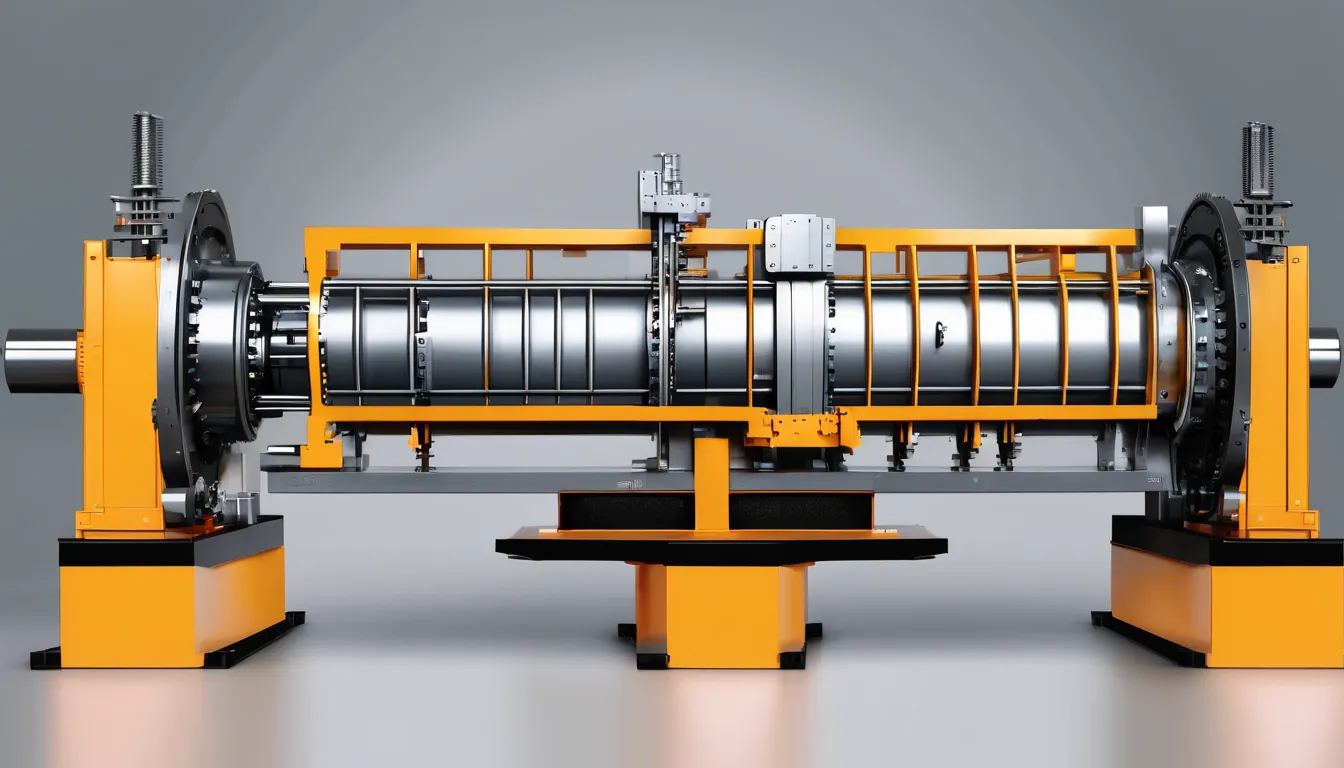
When you’re tasked with selecting the right industrial gearbox manufacturer for your project, it’s crucial to consider a variety of factors that can impact your operation’s success. You’ll want to start by assessing the manufacturer’s industry experience and their ability to customize solutions to fit your needs. Quality standards and customer support are also essential, as they can affect both performance and reliability. However, understanding how to weigh these elements against pricing can be the real challenge. So, what should you prioritize to ensure you make the best choice?
Assess Industry Experience
When choosing an industrial gearbox manufacturer, assessing their industry experience is crucial. You want to partner with a company that’s been in the game long enough to understand the complexities of your needs.
Look for manufacturers with a solid track record in your specific industry. This experience often translates into better product quality, reliability, and innovation tailored to your sector’s demands.
Check how long the manufacturer has been operating and whether they’ve worked with clients similar to your business. A reputable manufacturer should provide case studies or testimonials highlighting their successes.
Ask about their technical expertise as well; knowledge of the latest technologies and trends can significantly impact gear performance.
Don’t forget to inquire about the manufacturer’s experience with various applications and industries. A diverse portfolio can suggest adaptability and problem-solving skills, which are essential for custom solutions.
If a manufacturer has navigated challenges in your field before, it’s likely they can help you avoid common pitfalls.
Evaluate Customization Options
Customization options play a vital role in selecting the right industrial gearbox manufacturer for your needs. When evaluating potential manufacturers, consider how flexible they’re in tailoring products to your specifications. You’ll want a partner who can adapt their designs and features to match your project requirements.
Start by identifying the specific custom features you need. This could include gear ratios, sizes, materials, or mounting configurations. Once you know what you’re looking for, ask manufacturers about their capabilities in these areas. A good manufacturer should provide examples of past custom projects and be willing to discuss how they can accommodate your needs.
Another important aspect is the manufacturer’s ability to support you throughout the customization process. Are they responsive and communicative? Do they offer design assistance or prototyping services? A collaborative approach can significantly enhance your project’s outcome.
Lastly, don’t forget to check if they maintain a balance between customization and efficiency. While bespoke solutions are essential, streamlined production processes can help ensure timely delivery without compromising quality.
Review Quality Standards
Quality standards are crucial in choosing the right industrial gearbox manufacturer, as they directly impact the reliability and performance of your equipment. You should start by researching manufacturers that adhere to recognized quality certifications, such as ISO 9001. This certification indicates a commitment to consistent quality management practices.
Next, evaluate the materials and manufacturing processes used by potential suppliers. High-quality materials, like alloy steels or specialized composites, contribute to the durability of the china Custom gear solutions es.
It’s also essential to look at their testing protocols. A manufacturer that conducts rigorous testing, including load tests and durability assessments, demonstrates a dedication to producing reliable products.
Don’t forget to check for industry-specific standards, especially if your project requires compliance with certain regulations. These standards can vary by sector, so ensure the manufacturer is knowledgeable about your industry’s specific needs.
Check Customer Support
Effective customer support is essential in choosing an industrial gearbox manufacturer, as it can significantly influence your overall experience and satisfaction. When you encounter issues or have questions, prompt and knowledgeable support can make all the difference.
Start by evaluating how accessible their customer service is. Check if they offer multiple channels for communication, such as phone, email, or live chat, and determine their response times.
Next, look into their technical support capabilities. A manufacturer with a solid technical support team can help you troubleshoot problems, provide installation guidance, and assist with maintenance needs. Ask about their support hours; 24/7 availability is a major plus.
Don’t forget to read customer reviews and testimonials. These insights can reveal how well the manufacturer resolves issues and how they treat their clients. If possible, reach out to existing customers to get firsthand accounts of their experiences.
Lastly, consider if the manufacturer provides additional resources, like manuals, FAQs, or online tutorials. A company that invests in educational materials shows commitment to your success.
Compare Pricing and Value
After you’ve assessed customer support, the next step is to compare pricing and value among different industrial gearbox manufacturers.
It’s crucial to look beyond just the price tag. Analyze what each manufacturer offers in terms of quality, durability, and warranty. A lower price might seem appealing initially, but if the gearbox fails prematurely, it could lead to costly downtime and repairs.
Request detailed quotes from multiple manufacturers and ensure they include all relevant costs, such as shipping and installation. This will help you gauge the overall value rather than just the upfront costs.
Don’t hesitate to ask about bulk discounts or financing options, as these can significantly impact your budget.
Additionally, consider the long-term costs associated with maintenance and energy efficiency. A slightly more expensive gearbox could save you money in the long run by requiring less maintenance or offering better performance.
Conclusion
In conclusion, choosing the right industrial gearbox manufacturer is crucial for your project’s success. By assessing industry experience, evaluating customization options, reviewing quality standards, checking customer support, and comparing pricing, you can make an informed decision. Remember, it’s not just about the initial cost; focus on long-term performance and durability to ensure you get the best value for your investment. Take your time, do your research, and you’ll find the perfect match for your needs.