


Simplify Your Export Journey with a Letter of Undertaking: Key Benefits and Tips
Exporting goods and services internationally requires navigating complex tax structures, which can strain a business’s resources. However, with a Letter of Undertaking (LUT), exporters gain the ability to reduce these obstacles significantly. This document allows businesses to export without paying IGST upfront, leading to smoother financial operations. Here’s an overview of why a LUT is beneficial and some practical tips on how to maximize its advantages.
Advantages of a Letter of Undertaking
A Letter of Undertaking is advantageous for several reasons:
- Increased Working Capital: With no need to pay IGST at export time, businesses can allocate funds to other crucial areas, like product development and marketing.
- Streamlined Export Compliance: The LUT enables businesses to avoid the time-consuming process of IGST refunds, making compliance easier and faster.
- Enhanced Business Flexibility: Exporters with an LUT can respond more quickly to market demands as they aren’t constrained by cash flow due to tax payments.
Step-by-Step Process to Obtain a LUT
Filing for a LUT is straightforward but requires careful attention to detail. Here’s a step-by-step guide:
- Register on the GST Portal: Start by logging into the GST portal with the registered business credentials.
- Complete Form RFD-11: This form is the main application for an LUT and includes details about the business and authorized signatories.
- Submit Required Documents: Along with RFD-11, submit necessary documents, including the company’s GST registration and past compliance records.
Practical Tips for Exporters Using an LUT
- Stay Updated on Regulations: GST and tax regulations are subject to change, so exporters should keep up with any updates.
- Maintain Compliance Records: Exporters need a clean tax record to qualify for an LUT. Ensuring accurate records helps avoid delays in the process.
- Seek Assistance if Needed: Consulting with tax experts can help streamline the application, especially if it’s the first time applying for a LUT.
Conclusion
A Letter of Undertaking for exports provides a reliable method for businesses to reduce upfront tax costs, allowing them to allocate resources more strategically. By following the steps carefully and maintaining a clear record of compliance, exporters can maximize the benefits of a LUT, contributing to their long-term success in the global marketplace
Minus Cal Shark Tank Update and Current Business Status

You might be curious about how Minus Cal has fared since its Shark Tank debut. The company’s innovative approach to calorie management has not only boosted its credibility but also its sales and distribution. With a growing range of low-calorie snacks and meal kits, it seems poised for further expansion. However, the competitive landscape remains challenging. What does this mean for its future, and how might it navigate these hurdles? There’s more to uncover about Minus Cal’s current status and prospects.
Overview of Minus Cal
Minus Cal is a revolutionary product designed to help you manage your calorie intake effectively. It provides a simple solution for anyone looking to maintain or lose weight while enjoying their favorite meals.
With Minus Cal, you can easily track and reduce the calories in your diet without sacrificing taste or satisfaction. The product works by incorporating a unique blend of ingredients that enhance flavor while simultaneously lowering calories.
You’ll find it easy to integrate into your daily routine, whether you’re cooking at home or dining out. Instead of feeling deprived or restricted, you can savor your meals while staying mindful of your health goals.
Moreover, Minus Cal is user-friendly. You don’t need to be a nutrition expert to make it work; just follow the simple instructions, and you’ll see results.
The product caters to various dietary preferences, making it suitable for everyone, including those with specific dietary restrictions.
Impact of Shark Tank Appearance
Securing a spot on Shark Tank has significantly boosted Minus Cal’s visibility and credibility in the competitive weight management market. You might’ve noticed how this exposure transformed public perception of the brand. Before their appearance, Minus Cal was just another startup trying to make a name for itself. Now, it stands out as a reputable player, thanks to the endorsement from the Sharks.
The show not only brought in a wider audience but also attracted potential partnerships and collaborations. You may have seen how increased media coverage and social media buzz led to a surge in customer interest. With the Sharks’ backing, Minus Cal gained a level of trust that’s crucial for success in this industry.
Moreover, you can appreciate how the company’s innovative approach to calorie management resonated with viewers, further enhancing its appeal. The Shark Tank effect has likely opened doors to new marketing opportunities, making it easier for Minus Cal to reach its target demographic.
Current Business Performance
Since appearing on Shark Tank, the current business performance of Minus Cal has shown impressive growth. You’ll be pleased to hear that their sales figures have skyrocketed, with a significant increase in monthly revenue. The exposure from the show hasn’t only boosted brand recognition but also attracted a loyal customer base eager to try their innovative low-calorie products.
Moreover, Minus Cal has successfully expanded its distribution channels. You can now find their products in major retail chains and online platforms, making it easier than ever for consumers to access their offerings. This broader reach has contributed to a steady uptick in sales, proving that their unique selling proposition resonates well with health-conscious buyers.
Customer feedback has been overwhelmingly positive, with many praising the taste and effectiveness of the products. This positive reception has encouraged repeat purchases, solidifying Minus Cal’s position in the market.
Importantly, the team remains focused on maintaining high-quality standards while scaling operations. Overall, Minus Cal’s current business performance reflects a strong upward trajectory, and it’s clear that their future looks bright as they continue to innovate and grow.
Product Line Developments
With the surge in sales and brand recognition, Minus Cal has seized the opportunity to expand its product line.
You’ll be excited to know that the company isn’t just resting on its laurels; they’re innovating and diversifying to meet the growing demand for healthier options. This strategic move not only enhances customer loyalty but also attracts new consumers looking for guilt-free indulgence.
Here are some of the exciting new products you can look forward to:
- Low-Calorie Snacks: Perfect for on-the-go munching without the guilt.
- Sugar-Free Beverages: Refreshing drinks that satisfy your cravings without the extra calories.
- Meal Kits: Convenient, pre-portioned ingredients for creating delicious, healthy meals at home.
- Dessert Alternatives: Satisfy your sweet tooth with options that won’t derail your diet.
These developments reflect Minus Cal’s commitment to providing healthier lifestyle choices.
By continuously innovating and expanding their offerings, they’re positioning themselves as a go-to brand for those who care about their health without sacrificing taste.
Keep an eye out for these new products as they hit the shelves!
Future Prospects and Challenges
The future holds both promise and hurdles for Minus Cal as it navigates the competitive landscape of health-focused products. You’ll see opportunities in expanding market reach and diversifying product lines, but challenges like competition and changing consumer preferences loom large.
Here’s a snapshot of what Minus Cal faces:
| Opportunities | Challenges | Strategic Focus |
|---|---|---|
| Expanding online presence | Intense market competition | Strengthening br le-glue net worth identity |
| Collaborations with influencers | Shifting consumer trends | Innovative product development |
| Health-conscious consumer growth | Regulatory hurdles | Enhanced marketing strategies |
| Global market expansion | Economic fluctuations | Building customer loyalty |
Conclusion
In conclusion, Minus Cal’s journey since its Shark Tank debut showcases its impressive growth and market impact. With a strong product line and positive customer feedback, you’re seeing great potential for continued success. However, it’s essential to stay vigilant against competitive challenges. By focusing on innovation and customer satisfaction, Minus Cal can solidify its position in the weight management market and continue to thrive in the years to come.
Faqs For Filing A Trulicity Lawsuit: Effectual And Fiscal Insights
Filing a Trulicity case can be a work, and many patients have questions about what to expect. This clause answers some of the most often asked questions about Trulicity lawsuits, valid and commercial enterprise concerns to help you sympathise your rights and options if you rsquo;re considering a take.
What Are the Costs Involved in Filing a Trulicity Lawsuit?Most Trulicity Lawyer s work on a contingency ground, meaning they only get paid if you win your case. This arrangement allows patients to go after effectual process without the burden of upfront . Instead, a share of the settlement or award will go to the attorney to cover their fees and expenses.
How Long Does the Process Take?The timeline for Trulicity lawsuits can vary widely. Some cases may subside within a few months, while others can take a year or more, especially if they go to visitation. The length of time depends on factors like the potency of the testify, the complexness of the case, and whether the pharmaceutical companion is willing to subside.
What Types of Compensation Are Available?Patients filing Trulicity lawsuits may be suitable for various types of , including reimbursement for health chec expenses, lost wages, pain and suffering, and other bound up costs. In cases of wicked negligence, some courts may also present punitive indemnity to penalize the drug producer.
Is Joining a Class Action or Filing an Individual Lawsuit Better?Whether to join a separate process or file an individual cause depends on the specific circumstances of your case. Class actions can simplify the process and may ply faster resolutions, but person lawsuits may offer higher based on your unusual experiences and injuries.
By addressing these park questions, this FAQ aims to endow Trulicity users to make privy decisions about their valid options. Consulting a lawyer is the best way to welcome personal answers and gain further lucidity on your path forward.
Caluanie Muelear Oxidize on Reddit What Users Are Saying
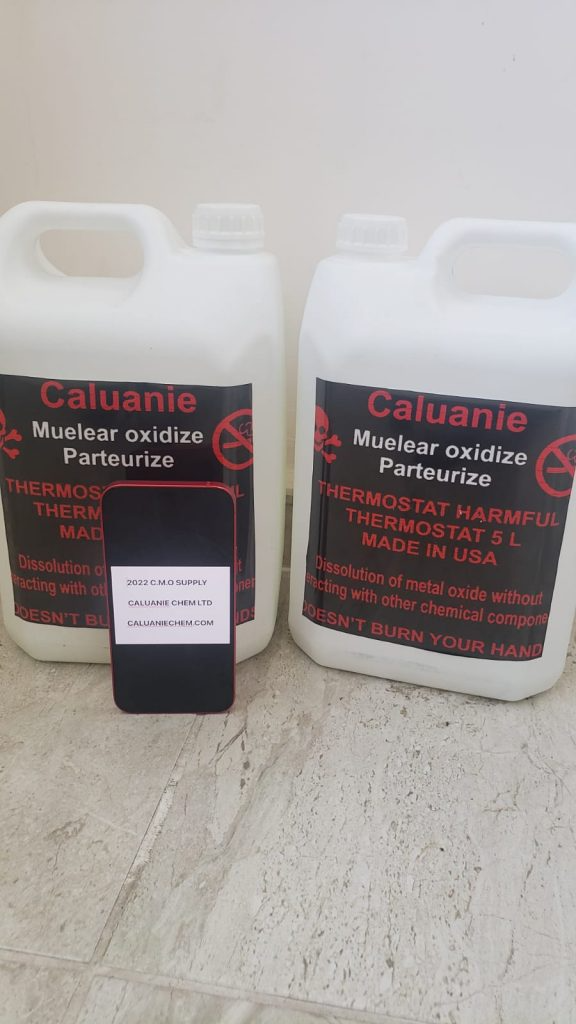
When you browse through the discussions on Reddit about Caluanie Muelear Oxidize, you’ll notice a fascinating mix of user experiences. While many users commend its ability to enhance chemical reactions, there’s also a palpable concern regarding safety protocols. The dialogue emphasizes both the impressive applications in various projects and the potential hazards that come with improper handling. As you explore these insights, you might find yourself questioning just how to balance its benefits with the necessary precautions. What specific safety measures are experts recommending, and how do users navigate these challenges?
Overview of Caluanie Muelear Oxidize
Caluanie Muelear Oxidize, often discussed in various online forums, is a powerful chemical compound primarily used in the processing of certain metals. This compound is particularly effective for its oxidizing properties, which help to enhance metal purification processes.
When you work with Caluanie, you’ll find it facilitates the separation of valuable metals from their ores, making it a vital resource in metallurgy.
It’s important to understand that handling Caluanie Muelear Oxidize requires caution. Due to its reactive nature, it can pose risks if not managed properly. Make sure you wear appropriate protective gear, like gloves and goggles, while working with it to ensure your safety.
You’ll want to familiarize yourself with the guidelines and regulations surrounding its use, especially if you’re in an industrial setting.
In addition to its applications in metallurgy, Caluanie has garnered attention for its potential applications in other fields, such as chemical synthesis.
However, always prioritize safety and follow proper handling protocols. By doing so, you can effectively utilize this compound while minimizing risks associated with its use.
User Experiences and Testimonials
Many users have shared their experiences with caluanie muelear oxidize reddit on platforms like Reddit, highlighting both its effectiveness and the precautions necessary for safe handling. Users often praise its ability to break down various materials quickly, making it a popular choice for those engaged in chemical processes.
You’ll find detailed testimonials describing how it significantly speeds up reactions compared to other substances. Some users mention that they’ve achieved impressive results in their projects, citing enhanced efficiency and reduced time spent on tasks.
They appreciate the product’s potency but emphasize the importance of understanding its properties before use. Many recommend doing thorough research and following guidelines to maximize benefits while minimizing issues.
You might come across stories of users who’ve combined Caluanie Muelear Oxidize with other chemicals, leading to innovative applications. These experiences showcase the versatility of the substance in different settings.
However, the consensus is clear: while it can be incredibly effective, knowledge about handling is essential. Engaging with the community through these testimonials can provide you with insights and tips that may enhance your experience with Caluanie Muelear Oxidize.
Safety Concerns and Risks
While users often share positive experiences with Caluanie Muelear Oxidize, it’s important to address the safety concerns and risks associated with its use. This chemical can pose significant hazards if not handled properly. You need to be aware of the potential dangers to ensure your safety.
Here’s a quick overview of some key safety concerns:
| Concern | Description | Recommended Action |
|---|---|---|
| Chemical Burns | Can cause skin and eye irritation | Always wear protective gear |
| Inhalation Risks | Breathing in fumes may harm lungs | Use in a well-ventilated area |
| Environmental Impact | Can contaminate soil and water | Dispose of waste properly |
Always consult material safety data sheets (MSDS) before using Caluanie Muelear Oxidize. It’s essential to follow established safety protocols and regulations. If you ever feel unsure, don’t hesitate to reach out for professional guidance. Your health and safety should always come first when working with any chemicals.
Applications in Chemical Reactions
In various chemical reactions, Caluanie Muelear Oxidize serves as a potent oxidizing agent that can enhance the efficiency of synthesis processes. When you use it in organic synthesis, you’ll find it accelerates reactions, allowing for quicker product formation.
This compound’s ability to facilitate oxidation reactions makes it valuable in producing various chemicals, including pharmaceuticals and fine chemicals.
If you’re working on reactions involving alcohols, aldehydes, or ketones, you might notice that Caluanie Muelear Oxidize can effectively convert these substrates into their corresponding acids or other oxidized forms. This characteristic can be particularly beneficial in creating complex molecules where precision is crucial.
Moreover, you can utilize Caluanie Muelear Oxidize in polymer chemistry. Its oxidizing properties allow for the modification of polymer chains, enhancing their performance and stability in various applications.
Community Opinions and Discussions
The discussion around Caluanie Muelear Oxidize in online communities reflects a mix of enthusiasm and caution among users. Many are excited about its potential applications, while others express concerns about safety and legality. You’ll find users sharing their experiences, with some praising its effectiveness in chemical reactions, while others highlight the risks associated with handling it improperly.
Here’s a quick overview of community opinions:
| Pros | Cons |
|---|---|
| Highly effective in reactions | Safety risks when handling |
| Accessible information online | Legal issues in some regions |
| Engaging user discussions | Potential for misuse |
As you dive deeper into these conversations, you’ll notice that many users advocate for responsible use, emphasizing the importance of following guidelines. They often share tips on safe handling and sourcing the chemical. Ultimately, the community seems to be balancing excitement for Caluanie Muelear Oxidize’s capabilities with a keen awareness of the need for caution. Engaging in these discussions can provide you with valuable insights and help you make informed decisions.
Conclusion
In summary, Caluanie Muelear Oxidize has sparked a lively conversation on Reddit, showcasing its effectiveness in various chemical processes while highlighting the need for caution. Users share impressive results but stress the importance of adhering to safety guidelines to avoid potential hazards. If you’re considering using it, make sure you’re well-informed about the risks and best practices. By prioritizing safety, you can enjoy the benefits of this powerful chemical responsibly.
Exploring the Role of Community Colleges in Yemen s Education System

When you think about Yemen’s education system, community colleges might not be the first thing that comes to mind, but they’re quietly transforming opportunities for many. These institutions provide vital vocational training and higher education pathways that cater to local needs, yet they face significant challenges. You might wonder how these colleges balance their crucial role in workforce development with the obstacles they encounter. As we explore this complex landscape, you’ll discover the potential they hold for shaping Yemen’s future.
Overview of Community Colleges
Community colleges in Yemen play a crucial role in the educational landscape, offering accessible pathways for students seeking higher education and vocational training. These institutions provide an alternative to traditional universities, making education more attainable for those who might face barriers to entry.
You’ll find a variety of programs tailored to different interests and career goals, which allows you to pursue both academic and practical skills. Community colleges typically focus on smaller class sizes, ensuring personalized attention from instructors. This environment fosters a sense of community and encourages student engagement, making it easier for you to ask questions and seek help.
Additionally, the colleges often collaborate with local industries to align curricula with market needs, enhancing your employability upon graduation. Moreover, community colleges serve as a stepping stone for many students who wish to transfer to four-year universities. They allow you to complete general education requirements at a lower cost before pursuing a bachelor’s degree.
Importance for Vocational Training
While many students pursue academic degrees, vocational training at community colleges in Yemen is equally vital for developing a skilled workforce.
You’ll find that these programs equip students with practical skills that are directly applicable to the job market. By focusing on hands-on training, you can gain valuable experience in fields like healthcare, technology, and trades, which are essential for the nation’s growth.
Community colleges offer flexibility, allowing you to balance education with work or family commitments. This accessibility makes it easier for individuals from various backgrounds to enhance their skills and improve their employability.
You’ll learn from experienced instructors who understand the local economy’s needs, ensuring that the training you receive is relevant and impactful.
Moreover, vocational training fosters entrepreneurship, encouraging you to start your own business or apply your skills in innovative ways. This empowerment not only benefits you but also contributes to the community’s resilience.
As you engage in vocational programs, you’re not just investing in your future; you’re also playing a crucial role in building a capable workforce that can drive Yemen’s development forward.
Impact on Local Economies
Vocational training at community colleges significantly influences local economies in Yemen. By equipping students with practical skills, these institutions help create a more skilled workforce. When you invest in education, you’re not just improving individual lives; you’re boosting local businesses that need qualified workers.
As graduates enter the job market, they contribute to increased productivity and innovation, which can lead to economic growth.
Moreover, community colleges often collaborate with local industries to tailor their programs, ensuring that the training aligns with market demands. This partnership helps businesses thrive because they can find employees who meet their specific needs. The result? Lower unemployment rates and a more stable economy.
When you support community colleges, you’re also fostering entrepreneurship. Many graduates go on to start their own businesses, creating jobs and stimulating further economic activity.
This cycle of education, employment, and entrepreneurship strengthens the local economy, making it more resilient in times of hardship.
Challenges Facing Community Colleges
Numerous challenges confront community colleges in Yemen, hindering their ability to effectively serve students and local economies. One major issue is the lack of funding, which limits resources for faculty, infrastructure, and student services. Without adequate financial support, colleges struggle to maintain quality education and provide necessary facilities.
Another significant challenge is the lack of trained faculty. Many instructors lack the necessary qualifications or experience, which affects the quality of instruction you receive. Additionally, political instability in the region creates an unpredictable environment that further complicates the operation of these institutions.
Lastly, societal perceptions of community colleges often undervalue their importance, leading to lower enrollment rates. Many students and parents may still prioritize traditional universities, limiting opportunities for vocational and technical training.
Here’s a quick overview of these challenges:
| Challenge | Description |
|---|---|
| Lack of Funding | Insufficient resources for operations |
| Unqualified Faculty | Inexperienced instructors affecting quality |
| Societal Perception | Undervaluation leading to low enrollment |
Addressing these challenges is crucial for community colleges to fulfill their potential in Yemen’s Education system.
Future Prospects for Education
Despite the challenges facing community colleges in Yemen, there are promising avenues for the future of education in the country.
You’ll find that a renewed focus on vocational training and partnerships with industries can significantly benefit students. Community colleges have the potential to equip learners with practical skills that meet market demands.
Here are some future prospects to consider:
- Enhanced Curriculum: Updating programs to align with local economic needs.
- Technology Integration: Utilizing online platforms to expand access to education.
- Partnerships with Businesses: Collaborating with local companies for internships and job placements.
- Increased Government Support: Advocating for more funding and resources dedicated to community colleges.
- Community Engagement: Involving local communities in decision-making to ensure education reflects their needs.
Conclusion
In conclusion, community colleges in Yemen are vital for shaping a skilled workforce and driving local economic growth. They provide accessible vocational training that meets market demands, helping students achieve their career goals. While challenges like funding and societal perceptions persist, the potential for these institutions to transform lives and communities is immense. By supporting and investing in community colleges, you contribute to a brighter future for Yemen’s education system and its economy.